UK borrowing falls to three‑year low but Iran war looms over fiscal outlook
UK government borrowing fell to £132 bn, its lowest since 2022‑23, but Iran‑linked energy shocks could push the deficit to £145 bn this year.
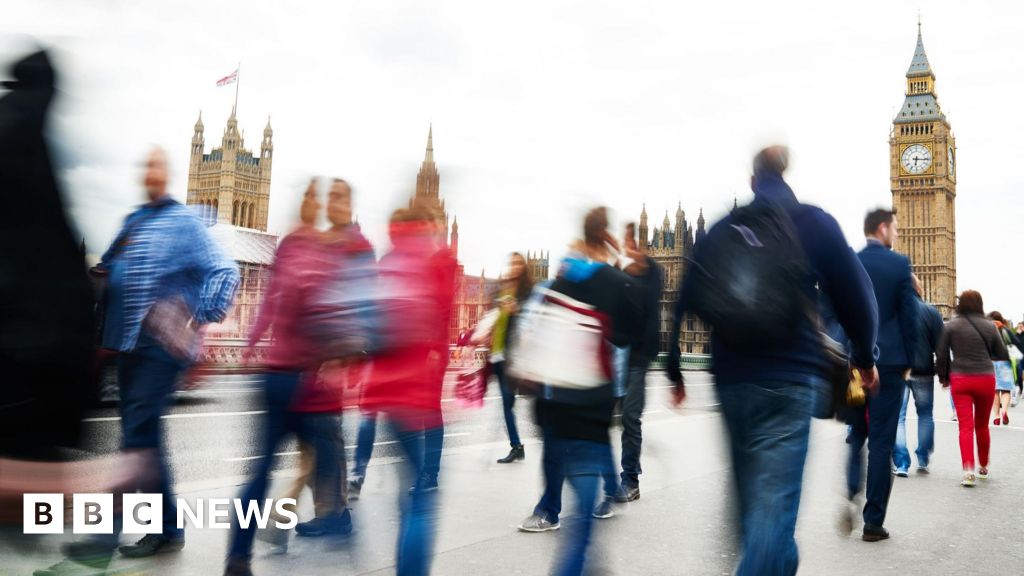
People walking in front of the Houses of Parliament in London
TL;DR UK borrowing fell £19.8 bn to £132 bn in the fiscal year ending March, the lowest level in three years, but the IMF says the Iran‑related energy shock will hit the UK harder than any other advanced economy, cutting 2024 growth to 0.8% from 1.3% and raising borrowing to around £145 bn if targeted support and high rates persist.
Context The Office for National Statistics reported that the difference between government spending and tax receipts narrowed to £132 bn, down from £151.8 bn a year earlier. This represents 4.3% of GDP, the lowest share since before the Covid pandemic. The improvement came despite higher spending, as tax receipts rose more than outlays. Meanwhile, the closure of the Strait of Hormuz—through which about 20% of global oil and LNG normally flows—has lifted Brent crude prices roughly 12% since the conflict began, feeding into UK petrol and diesel costs and adding upward pressure on inflation.
Key Facts - UK government borrowing: £132 bn for the year to March, down £19.8 bn versus the prior period (ONS). - IMF growth forecast for 2024 UK: 0.8%, down from 1.3%, citing the Iran war‑related energy shock as the biggest drag among advanced economies. - Ruth Gregory of Capital Economics estimates borrowing could rise to roughly £145 bn in 2025/26 if the government delivers about £20 bn of targeted energy support, interest rates stay high, and economic growth weakens.
What It Means Lower borrowing reflects stronger tax intake, but the energy shock threatens to reverse that trend. Higher oil prices boost inflation, which can push up gilt yields; the UK 10‑year gilt yield has risen about 15 basis points to roughly 4.2% in the past month, increasing debt‑service costs. Equity markets show mixed reactions: the FTSE 100 (^FTSE) is flat‑ish, down 0.3% week‑on‑week, while BP (BP.L) and Shell (SHEL.L) have gained 1.8% and 2.1% respectively, reflecting higher energy prices. Market caps stand at ~£100 bn for BP and ~£200 bn for Shell. If inflation remains above the Bank of England’s 2% target, the Monetary Policy Committee may keep rates elevated, further raising borrowing costs.
What to watch next Monitor UK gilt yields, Brent crude price movements, and any announcements on targeted energy support, as these will determine whether borrowing stays near the current low or climbs toward the £145 bn projection.
Continue reading
More in this thread
Norway Secures Top Spot in Global Prosperity 2026, Ireland and Luxembourg Close Behind
David Amara
Portugal’s Crypto Regulation Tightens, Creating Grey Area for ETH Gambling Platforms
David Amara
Portugal Shifts from Crypto Tax Haven to Regulated Market as ETH Betting Gains Speed
David Amara
Conversation
Reader notes
Loading comments...