UK Biobank’s 500,000‑Volunteer Health Data Briefly Listed for Sale on Alibaba in China
Health data from 500,000 UK Biobank volunteers appeared on Alibaba, prompting a rapid response and raising questions about data security and research ethics.
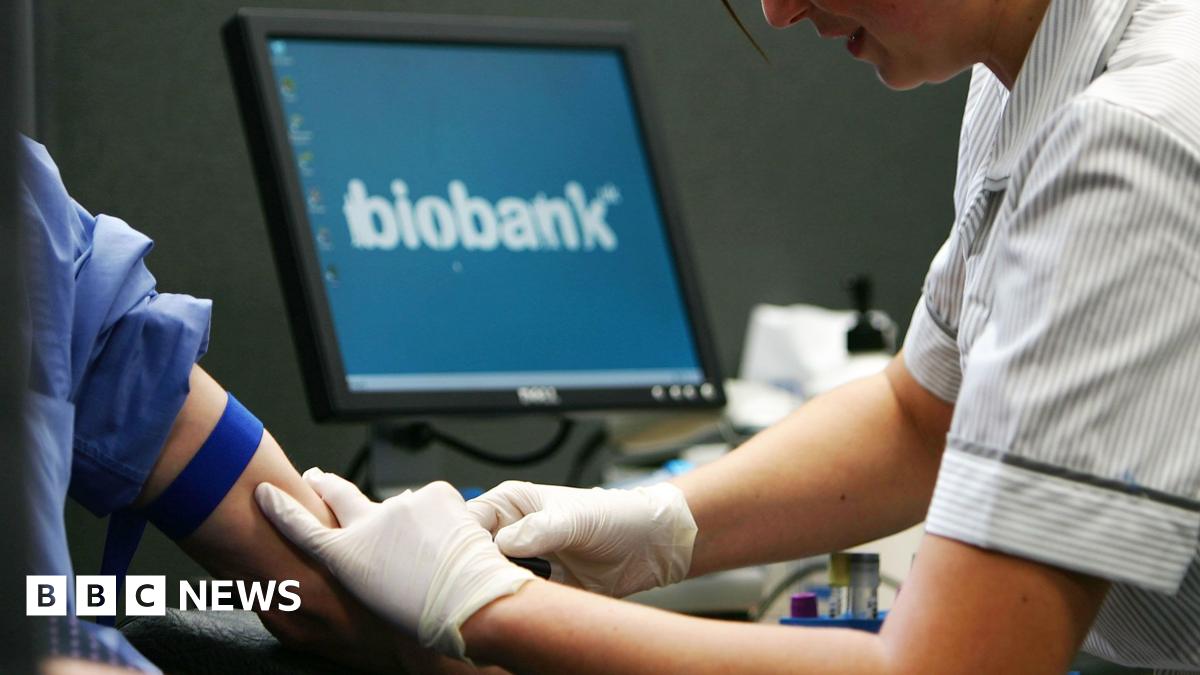
Nurse taking blood from person as biobank logo appears on screen in background.
TL;DR
Health data belonging to 500,000 UK Biobank volunteers appeared for sale on Alibaba in China, prompting a rapid response and an investigation into a contract breach by researchers.
UK Biobank, a long-running scientific program, has collected extensive medical and genetic data from volunteers over more than two decades. This crucial dataset, supporting over 18,000 scientific publications, drives research into conditions like dementia and cancer, relying heavily on participant trust.
The health data for all 500,000 UK Biobank participants was briefly listed for sale on Alibaba, a Chinese e-commerce platform. UK Biobank CEO Rory Collins confirmed the listed data was fully de-identified and contained no personal identifiers, such as names or addresses.
However, the data included demographic and health-related information like gender, age, birth month and year, lifestyle factors, and biological measurements. UK Biobank chief scientist Naomi Allen attributed the incident to "rogue researchers," describing it as a clear breach of contract.
Access for the involved institutions and individuals has been suspended. With the cooperation of UK and Chinese authorities and Alibaba, the listings were removed swiftly. Officials have reported no purchases were made from the listings.
This incident highlights the significant risks associated with data sharing, even when data is de-identified. Experts caution that advanced analytical techniques can potentially re-identify individuals from anonymized datasets, especially when genetic information is involved. The event underscores the critical need for stringent control over data access and usage, particularly within collaborative research ecosystems.
### What Defenders Should Do
Organizations handling sensitive data, especially in research, must implement robust data governance and security measures. Enforce strict contractual agreements with all data recipients, clearly outlining permissible use, security protocols, and penalties for non-compliance. Deploy comprehensive Data Loss Prevention (DLP) solutions to monitor and prevent unauthorized data exfiltration.
Maintain continuous auditing of data access logs to detect unusual patterns or suspicious activity. Regularly review and update access permissions based on the principle of least privilege. Furthermore, educate all personnel and third-party partners on data handling policies, ethical guidelines, and the severe implications of data misuse, fostering a culture of accountability. Watch for ongoing investigations from regulatory bodies, which may lead to new guidelines for research data security.
Continue reading
More in this thread
Bank of America and Ernst & Young Settle MOVEit Breach Claims for $2.5 Million
Peter Olaleru
Bank of America and EY Settle MOVEit Breach Claims for $2.5 Million
Peter Olaleru
Rituals Confirms Data Breach Exposing Members’ Personal Data, Says No Payment Info Leaked
Peter Olaleru
Conversation
Reader notes
Loading comments...