UK Beer Industry Loses 150 Breweries as Market Access Deteriorates
The UK lost 150 breweries last year as market access issues and big‑brand dominance tighten pressure on independents.
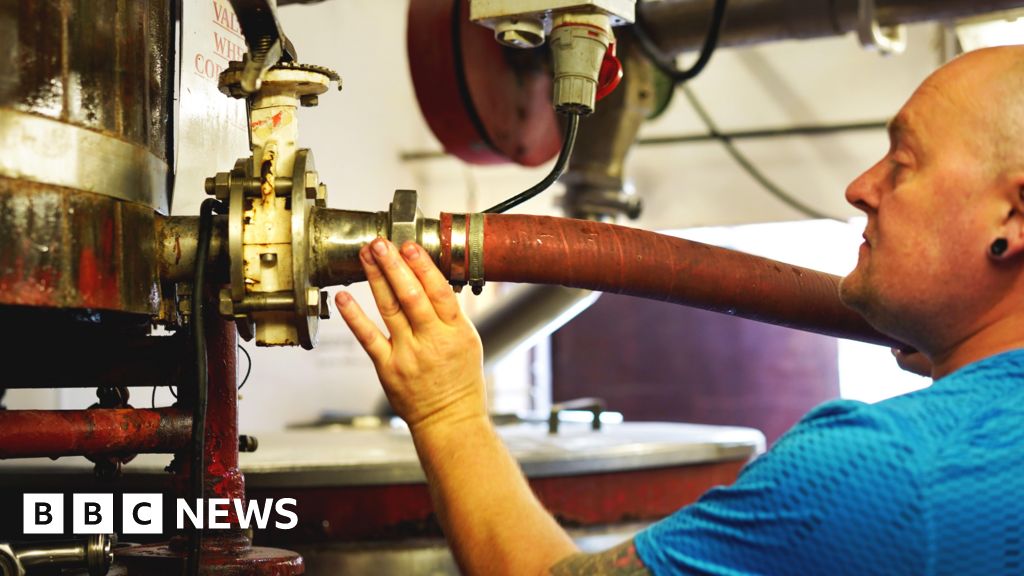
A man is operating beer brewing machinery. His hair is shaven and he is wearing a blue top with his hand on a metal valve.
TL;DR
The UK beer sector shed 150 breweries in the past year, driven by worsening market access and the dominance of large brands.
Context The craft boom that lifted England to over 300 new breweries in 2017 has stalled. While the number of breweries peaked at 2,594 in 2022, the count fell to 2,320 by April 2026. The decline is felt nationwide, though London remains the only English region without a net loss.
Key Facts - Companies House data shows 320 breweries closed last year while only 170 opened, creating a net loss of 150 firms. - The total of UK brewing companies dropped from 2,594 in 2022 to 2,320 in April 2026. - Tim Webb, director of the Campaign for Real Ale (CAMRA), identifies restricted market access as the primary challenge, noting that large brewers own most draught lines in pubs and undercut prices in supermarkets. - Smaller brewers also confront rising costs, from business rates to fuel, while consumers resist price hikes. - In the West Midlands, the historic heart of British brewing, nine new breweries launched but 21 dissolved, a net loss of 12. - Despite the contraction, niche segments such as heritage and craft styles continue to perform well, according to industry observers.
What It Means The loss of 150 breweries signals a structural shift rather than a temporary dip. With large companies controlling distribution channels, independent brewers struggle to reach consumers through traditional pub taps and supermarket shelves. Diversification strategies—taprooms, visitor centres, and micro‑breweries within larger facilities—are becoming essential for survival. Industry bodies like the Society of Independent Brewers and Associates (SIBA) are lobbying for tax relief on draught beer to ease the financial burden.
The contraction also threatens local economies; each closed brewery removes jobs, tax revenue, and community gathering points. Regions that once hosted dense brewing clusters, such as Burton‑upon‑Trent, now operate with a fraction of their former capacity, though pockets of resilience remain in cities like Sheffield and Bristol.
Looking Ahead Watch for policy proposals on draught‑beer taxation and any regulatory changes that could rebalance distribution power between big brewers and independents.
Continue reading
More in this thread
Conversation
Reader notes
Loading comments...