UK Bars Eleven Foreign Far‑Right Activists Ahead of Tommy Robinson Rally as Live Facial Recognition Debuts
UK bars 11 foreign far‑right activists before a Tommy Robinson rally as police prepare to use live facial recognition for the first time at a protest.
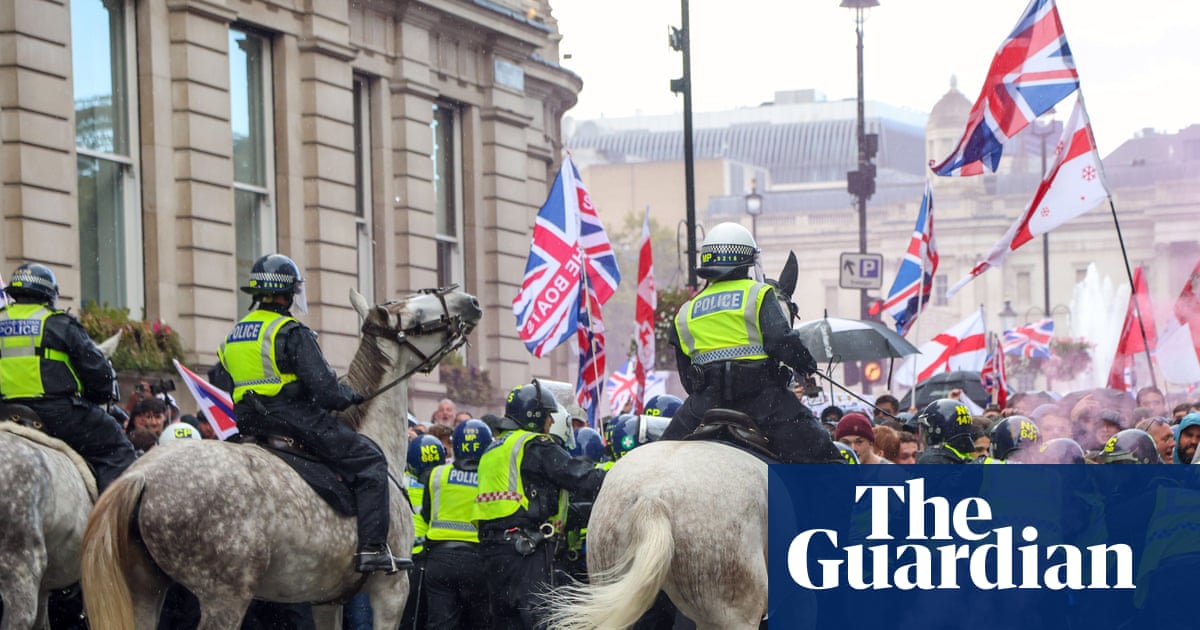
TL;DR
Eleven foreign far‑right activists were barred from entering the UK ahead of a Tommy Robinson rally, while police prepared to deploy live facial recognition for the first time at a protest. Prime Minister Keir Starmer said the event’s organisers are spreading hatred and warned that the country is in a fight for its soul.
Context
The rally, branded “Unite the Kingdom,” is the second of its kind organised by Stephen Yaxley‑Lennon, known as Tommy Robinson. It coincides with a large pro‑Palestinian march marking Nakba Day and the FA Cup final, drawing tens of thousands of people to central London. Faith leaders, including the Archbishop of Canterbury who urged people to “choose hope,” have urged hope and unity ahead of the event.
Key Facts
- UK authorities refused entry to eleven foreign far‑right activists, naming among them a US‑based anti‑Islam influencer, a Dutch influencer, and a Polish MEP. - Live facial recognition technology will be used by police for the first time during a protest policing operation, scanning faces in real time against a watchlist. - Speaking after a meeting with senior police officers, Starmer declared that the march’s organisers are “peddling hatred and division” and that the nation is engaged in a fight for its soul.
What It Means
The entry bans signal the government’s willingness to use immigration powers to keep perceived extremists out of the country. Deploying live facial recognition at a protest raises questions about privacy, potential misidentification, and the precedent for broader surveillance at public gatherings. Starmer’s rhetoric frames the rally as a moral test, which may galvanise both supporters and critics. Authorities say they will facilitate peaceful protest while intervening against hatred and violence.
What to watch next: how the facial recognition system performs in practice, any legal challenges to its use, and whether the entry bans deter similar foreign activists from attempting to attend future UK demonstrations.
Continue reading
More in this thread
Conversation
Reader notes
Loading comments...