UK Bars 11 Far‑Right Activists, Deploys Live Facial Recognition Ahead of Tommy Robinson Rally
UK bars 11 foreign far‑right activists ahead of a Tommy Robinson rally; police deploy live facial recognition for the first time. Starmer warns of hatred and vows action.
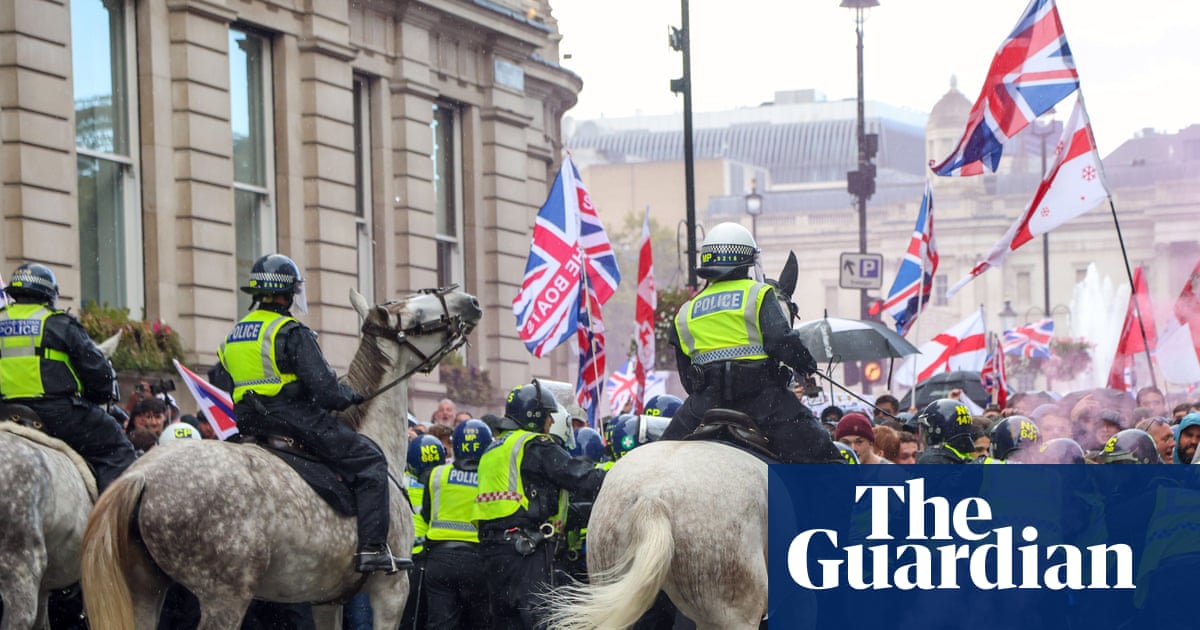
TL;DR: Eleven foreign far‑right activists were barred from entering the UK ahead of a Tommy Robinson rally, and police will deploy live facial recognition for the first time during protest policing. Prime Minister Keir Starmer said the event highlights a battle for the country's soul and accused organizers of spreading hatred.
Context
The rally, branded “Unite the Kingdom,” is set for Saturday in London. It follows a similar gathering last year that attracted over 100,000 participants. Organizers say they want a general election and are encouraging supporters to engage in political campaigning. The march coincides with Nakba Day commemorations and a large pro‑Palestinian demonstration, while tens of thousands of football fans will be in town for the FA Cup final. Faith leaders, including the Archbishop of Canterbury, have urged communities to choose hope and reject division during the ongoing A Million Acts of Hope Week.
Key Facts
- Eleven foreign far‑right activists, among them US‑based influencer Valentina Gomez, Dutch influencer Eva Vlaardingerbroek, and Polish MEP Dominik Tarczyński, have been refused entry to the UK. - Authorities will use live facial recognition technology for the first time as part of a protest policing operation, scanning crowds in real time to identify individuals of interest. - Prime Minister Keir Starmer, after meeting senior police officers, stated: “We are in a fight for the soul of this country, and the Unite the Kingdom march this weekend is a stark reminder of exactly what we are up against. Its organisers are peddling hatred and division, plain and simple.” He added that the government will block those seeking to incite hatred and violence and will apply the full force of the law. - Downing Street noted that Starmer recognises the majority expected to attend are law‑abiding citizens who wish to protest peacefully, and urged all participants to act with decency and respect.
What It Means
The deployment of live facial recognition marks a shift in UK public‑order tactics, raising questions about privacy and the balance between security and civil liberties. Barring the activists signals a pre‑emptive approach to prevent foreign‑sourced extremist content from influencing domestic events. Starmer’s rhetoric frames the rally as a moral test, potentially shaping public opinion and future policy on hate speech and protest regulation. Authorities have also imposed Public Order Act conditions on the pro‑Palestinian march, indicating a broader effort to manage concurrent demonstrations. Interfaith groups have responded with calls for unity, emphasizing that acts of hope and kindness remain prevalent across communities.
What to watch next: How effectively the facial recognition system identifies subjects without excessive false positives, any legal challenges to its use, and whether the bans deter further foreign far‑right travel to the UK.
Continue reading
More in this thread
Conversation
Reader notes
Loading comments...