UK Assisted Dying Bill Stalls After Lords Flood It With 1,200 Amendments, Advocates Promise Renewed Fight
The UK's Assisted Dying Bill failed to pass after over 1,200 amendments were introduced in the House of Lords. Supporters vow renewed efforts for the legislation.
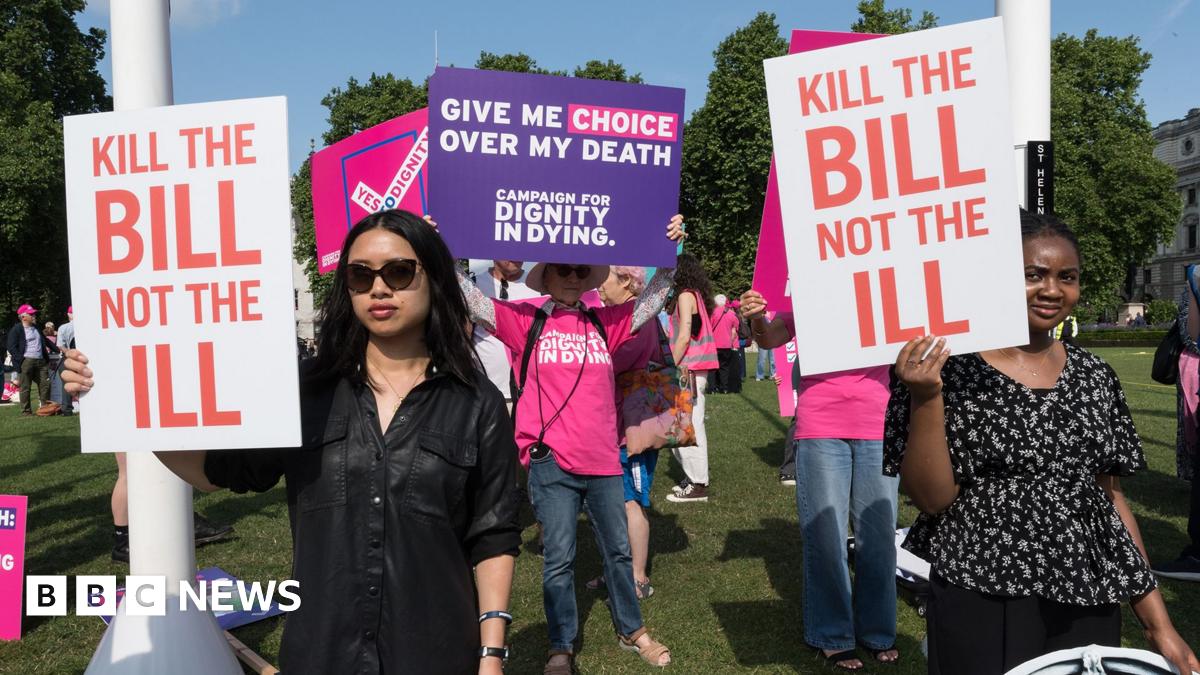
People holding signs saying 'kill the bill not the ill' and 'give me choice over my death' stand protesting outdoors in Parliament Square in early June 2025.
The UK's Assisted Dying Bill failed to pass into law after members of the House of Lords introduced over 1,200 amendments, effectively running out its parliamentary time. Supporters expressed anger and immediately vowed to renew their legislative efforts.
The UK Assisted Dying Bill, which sought to legalize assisted dying for terminally ill adults in England and Wales, has stalled in Parliament. The legislation proposed allowing individuals with less than six months to live, who had clearly expressed a wish to die, to access assisted dying. The bill had previously passed the House of Commons in June, marking a key step in its journey.
Its progress halted in the House of Lords, the UK's upper legislative chamber, composed of appointed members. Over 1,200 amendments were introduced by these Lords members. This volume of proposed changes led directly to the bill running out of time on the parliamentary schedule, effectively ending its passage in the current session.
Lord Charlie Falconer, who sponsored the legislation in the House of Lords, described the bill's failure as "an absolute travesty of our processes." He accused a few Lords of manipulating the system. Their strategy involved tabling 1,200 amendments and engaging in extensive debate, delaying the bill until its allocated time expired.
Campaigner Rebecca Wilcox expressed significant anger over the bill's failure. However, she affirmed a strong commitment to continue fighting for assisted dying legislation. Wilcox stated, "This is not the end, we will not be stopped," indicating renewed efforts are imminent.
This outcome highlights the procedural hurdles a bill can face within the UK's two-chamber parliamentary system. While the House of Commons approved the measure, the House of Lords' actions demonstrated its power to impede legislation through amendment and debate. Opponents of the bill argued that the proposed legislation was "unsafe and unworkable," citing potential risks to vulnerable individuals.
The issue of assisted dying remains a prominent and active debate globally. Lawmakers in the self-governing British dependencies of Jersey and the Isle of Man have already approved similar legislation. Despite this setback, proponents in the UK signal no intention of abandoning their cause. Watch for new legislative attempts and continued public discourse on this issue in the upcoming parliamentary term.
Continue reading
More in this thread
Israel kills six Hezbollah fighters while Lebanon reports rising death toll despite ceasefire extension
Nadia Okafor
Israel Reports Killing Six Hezbollah Fighters in Southern Lebanon Amid Ceasefire Strain
Nadia Okafor
Supreme Court to Rule on Warrant Requirement for Geofence Searches
Nadia Okafor
Conversation
Reader notes
Loading comments...