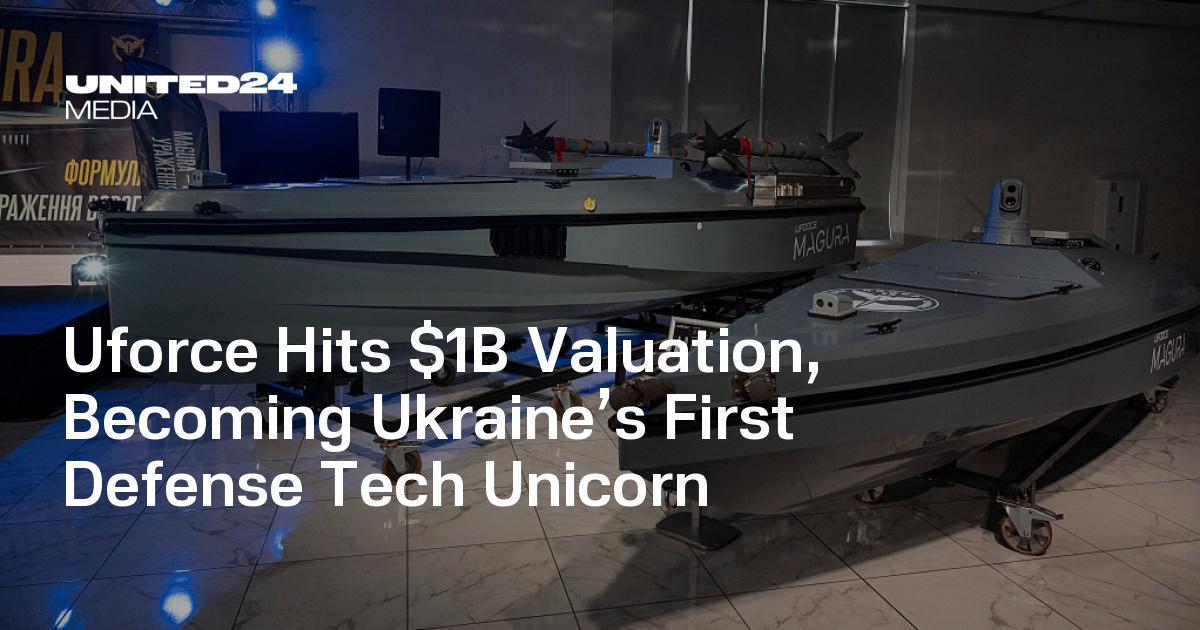
UFORCE Logs 150,000 Robot Missions and Hits $1 Billion Valuation
UFORCE claims 150,000 combat missions in Ukraine and reaches unicorn status, highlighting the rise of autonomous warfare.
UFORCE Logs 150,000 Robot Missions and Hits $1 Billion Valuation
*TL;DR: UFORCE says its drones have completed over 150,000 combat missions in Ukraine since 2022 and has just crossed the $1 billion valuation mark, underscoring the rapid rise of robot‑centric warfare.*
Context The Russian invasion of Ukraine has turned the conflict into a proving ground for unmanned systems. Both sides deploy aerial and ground drones, and the intensity of the fighting has accelerated development cycles for autonomous weapons. In this environment, a Ukrainian‑British start‑up called UFORCE has emerged from a discreet London office, claiming a pivotal role in the war’s robotic front.
Key Facts UFORCE’s UK director of strategic partnerships, Rhiannon Padley, stated that the firm’s air, land and sea drones have carried out more than 150,000 successful combat missions since the invasion began in 2022. The company declined to detail any specific operation, but confirmed that its platforms are actively used in the field.
The firm has also reached “unicorn” status, meaning its market valuation now exceeds $1 billion (£730 million). This milestone places UFORCE among a new wave of Neo‑Prime defence firms that challenge legacy contractors such as BAE Systems and Lockheed Martin.
Melanie Sisson, a senior fellow at the Brookings Institution, described Ukraine as a “major teacher” for future national defence and armaments, highlighting how necessity drives rapid invention in wartime.
What It Means UFORCE’s claim of 150,000 missions suggests that autonomous systems are already handling a substantial share of combat tasks, from reconnaissance to strike execution. Analysts predict that unmanned platforms could soon outnumber human soldiers on the battlefield, reshaping tactics and logistics.
The valuation surge signals strong investor confidence in the commercial potential of AI‑enabled weaponry. As the United States pushes for an “AI‑first” warfighting force and China expands its own autonomous capabilities, companies like UFORCE are positioned to supply the hardware and software that will define next‑generation conflicts.
Ethical concerns persist. Human‑rights groups warn that delegating lethal decisions to machines raises accountability issues, while defence firms argue that keeping a human in the decision loop mitigates risk.
Looking Ahead Watch for further integration of AI into targeting software and for regulatory debates on autonomous weapons as more nations test robot‑vs‑robot engagements in real combat scenarios.
Continue reading
More in this thread
Conversation
Reader notes
Loading comments...