UCF Highlights 70% Astronaut Vision Risk, Urges Space Medicine Innovation
UCF research reveals 70% of astronauts face vision impairment from SANS due to microgravity fluid shifts. Experts emphasize urgent space medicine innovation for future Moon and Mars missions.
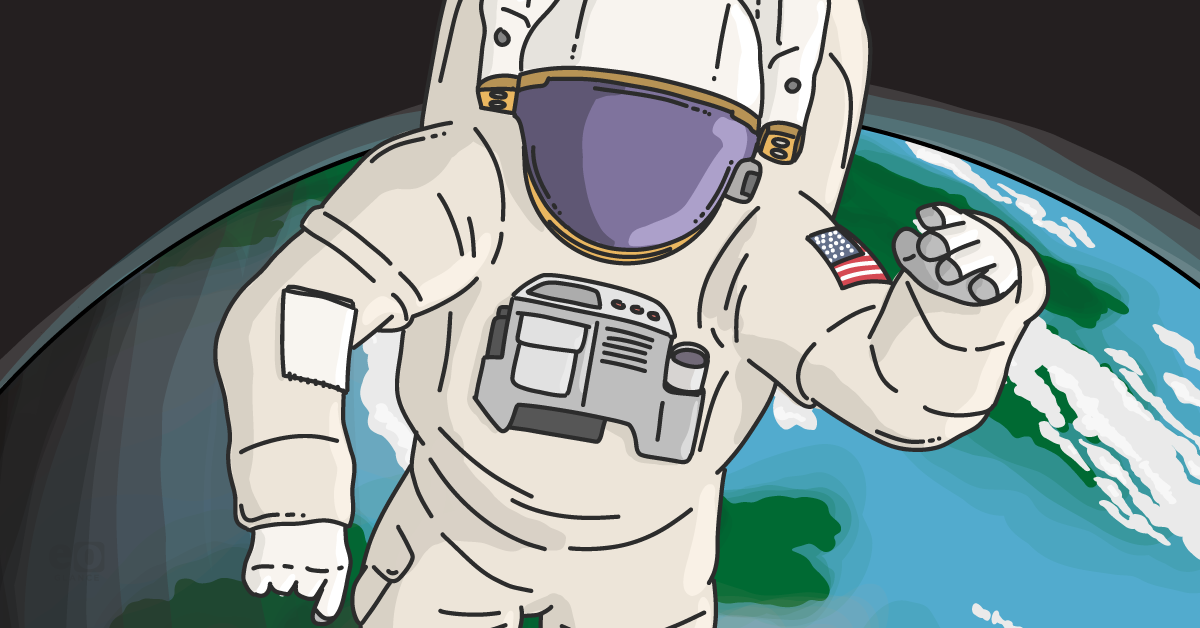
Astronauts face a 70% risk of vision impairment from spaceflight-associated neuro-ocular syndrome (SANS) due to fluid shifts in microgravity. Research institutions, like UCF, are intensifying efforts to develop medical solutions crucial for future long-duration space missions.
Human spaceflight presents distinct physiological challenges, particularly as missions extend beyond low Earth orbit. The University of Central Florida (UCF), positioned near Kennedy Space Center, is a focal point for developing advanced space medicine solutions. These efforts aim to safeguard astronaut health during upcoming extended journeys to the Moon and Mars.
One significant health challenge is spaceflight-associated neuro-ocular syndrome (SANS), a condition linked to fluid buildup in the head during microgravity exposure. This fluid shift causes SANS in 70% of astronauts on the International Space Station (ISS). The syndrome directly impacts eye health, leading to farsightedness, swelling of the optic nerve, and changes in eyeball shape. Jogi Pattisapu, an expert in neuro-ophthalmology, underscores the gravity of this risk, asking, "What are we going to do if the pilot goes blind 210 million miles from Earth?"
Former NASA Administrator Bill Nelson highlights the current aerospace landscape, stating, "We’re in a whole new era, an exciting era, of space exploration that makes this time so special." This era demands proactive medical innovation to match the ambitions of deep space travel. Understanding and mitigating these health risks becomes paramount for mission success and astronaut safety.
The prevalence of SANS necessitates immediate advancements in space medicine, focusing on diagnostic tools and preventive countermeasures. Future missions, such as those to Mars lasting up to 36 months, will expose crews to prolonged microgravity, increased radiation, and isolation. Effective health strategies must address these combined stressors, which include changes in fluid dynamics, bone density loss, and psychological impacts. UCF's aerospace medicine program actively researches how microgravity and other space factors affect the human body, driving innovation applicable to both space travelers and patients on Earth. Developing robust healthcare solutions will enable sustainable human presence beyond Earth, ensuring astronaut well-being for the next frontiers of exploration.
Continue reading
More in this thread
Physical Sunscreen Offers Dual Benefits for Skin and Environment
Dr. Priya Sharma
Europe Beats US to Authorize Moderna's mRNA Flu-COVID Combination Vaccine
Dr. Priya Sharma
Europe Approves World’s First Moderna Flu‑COVID Combo Vaccine While US Holds Back
Dr. Priya Sharma
Conversation
Reader notes
Loading comments...