UAE Leaves OPEC as US Energy Exports Hit Record Amid Iran Conflict
UAE exits OPEC while US oil exports hit record highs amid the US-Israel war on Iran, reshaping global supply dynamics.
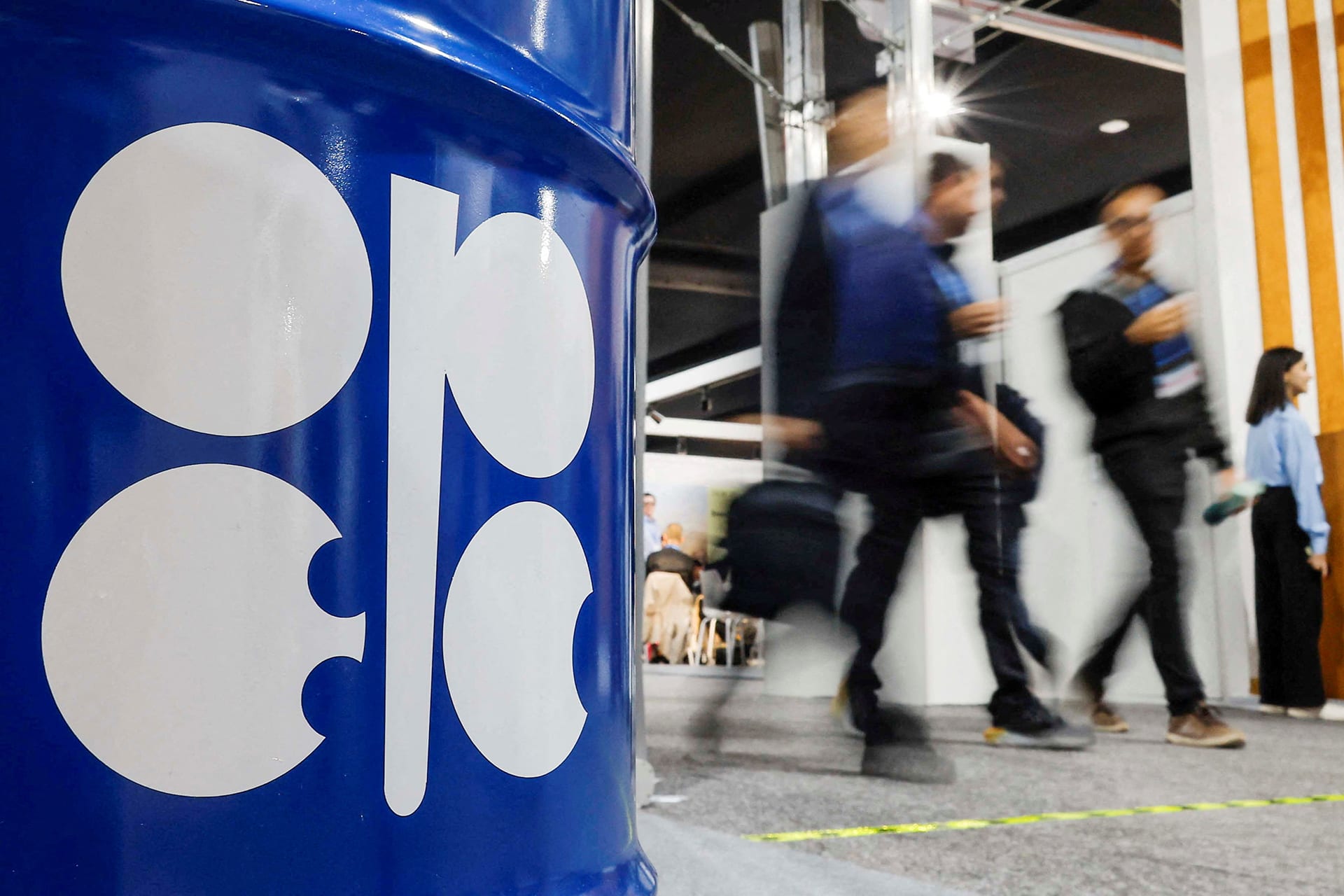
TL;DR: The United Arab Emirates has withdrawn from OPEC as U.S. energy exports surge to record levels, intensifying a shift in global oil supply amid the US‑Israel war on Iran.
Context The war between the United States, Israel and Iran has forced governments to reevaluate reliance on Middle‑East oil. Disruptions in the Strait of Hormuz, a key shipping lane, have heightened concerns over supply stability.
Key Facts - The United Arab Emirates announced its exit from the Organization of the Petroleum Exporting Countries (OPEC), ending a decade‑long membership that helped shape production quotas. - U.S. crude and condensate exports have climbed to historic volumes, surpassing previous records for both daily barrels and total annual shipments. - The conflict has spurred a worldwide reassessment of energy sourcing, with many nations seeking alternatives to volatile regions.
What It Means The UAE’s departure weakens OPEC’s collective bargaining power, potentially reducing the cartel’s ability to influence global prices. At the same time, the United States is emerging as a more dominant supplier, leveraging its record export capacity to fill gaps left by Middle‑East disruptions.
For importing countries, the dual shock creates both risk and opportunity. Nations heavily dependent on OPEC oil may accelerate diversification into U.S. supplies or invest in renewable projects to hedge against geopolitical volatility. Energy traders are likely to price volatility into contracts, reflecting the uncertainty surrounding the Strait of Hormuz and the broader Middle‑East landscape.
The shift also pressures OPEC to reconsider its strategy. With one of its wealthiest members gone, the organization may need to adjust output targets or seek new members to maintain relevance. Meanwhile, the United States could face political scrutiny over its expanding role in global energy markets, especially as domestic policy debates focus on balancing fossil fuel exports with climate goals.
Looking ahead, the pace of U.S. export growth, the stability of the Iran conflict, and the speed of renewable adoption will determine whether the current realignment reshapes the long‑term energy order. Watch for OPEC’s next policy move and any new trade agreements that could further tilt the balance toward U.S. dominance.
Continue reading
More in this thread
Advisors Urged to Move Beyond AI Notetaking as 70,000 Startups Flood Market
Elena Voss
Tecnoglass Projects 21.7% EPS Drop as Revenue Rises 9.3% Ahead of May 7 Report
Elena Voss
Shiprazor Secures $2.65 Million Seed Round to Expand AI Logistics in Africa
Elena Voss
Conversation
Reader notes
Loading comments...