UAE Leaves OPEC After Six Decades, Raising Oil Price Risks
UAE exits OPEC, a move that could tighten oil supply and raise global fuel prices. Learn what this means for the market.
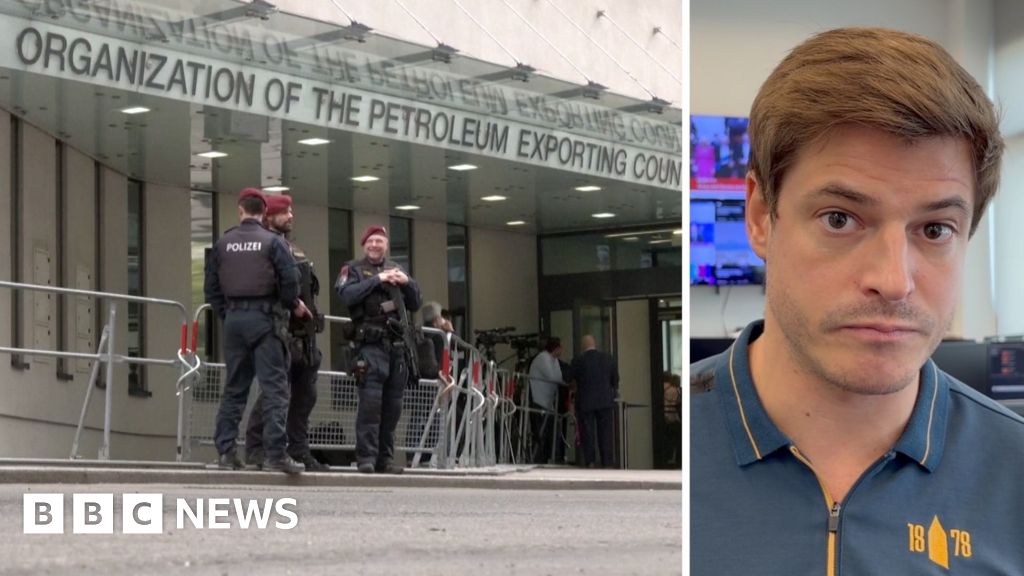
Split image showing the front of Opec building and Nick Marsh
TL;DR
The United Arab Emirates announced its departure from OPEC after nearly 60 years, a shift that may tighten supply and push oil prices higher.
The decision was unveiled in a brief statement from Abu Dhabi, confirming that the Gulf state will no longer participate in the Organisation of Petroleum Exporting Countries. The move ends a membership that began in the early 1960s, when OPEC was formed to coordinate production among oil‑rich nations.
OPEC, dominated by Gulf exporters, sets production quotas that help balance global supply and demand. By adjusting output, the cartel can influence the price of crude oil, which in turn affects gasoline, diesel and jet fuel costs worldwide. The UAE’s exit removes one of the group’s larger producers, which contributed roughly 5 % of OPEC’s total output.
Analysts quickly flagged the departure as a blow to the cartel’s cohesion. Without the UAE’s vote and production data, OPEC may find it harder to reach consensus on future output cuts or increases. The loss also reduces the organization’s collective bargaining power in negotiations with non‑member producers such as the United States and Russia.
For consumers, the impact could appear on the pump. A tighter supply balance often translates into higher wholesale oil prices, which retailers pass on to drivers. While the exact price movement will depend on how other OPEC members respond, the market is already pricing in a modest premium for crude.
The UAE cited a desire to pursue an independent production strategy as the reason for leaving. The emirate has been expanding its own refining capacity and investing in renewable energy projects, suggesting it may seek greater flexibility in setting output levels without OPEC’s constraints.
What to watch next: how remaining OPEC members adjust their quotas, whether the UAE coordinates informally with the cartel, and the short‑term reaction of global oil benchmarks such as Brent and WTI.
Continue reading
More in this thread
Graphic Packaging Secures 250‑MW Texas Solar Deal to Power 43% of North American Operations
Elena Voss
Graphic Packaging Secures 250‑MW Texas Solar Deal to Power 43% of North American Operations
Elena Voss
Seed Funding Swells to Mega‑Rounds, Bay Area Holds One‑Third of Deals
Elena Voss
Conversation
Reader notes
Loading comments...