UAE to Leave OPEC Next Month, Cutting Cartel Capacity by 15%
The United Arab Emirates will leave OPEC next month, removing about 15% of the cartel's output and ending nearly 60 years of membership.
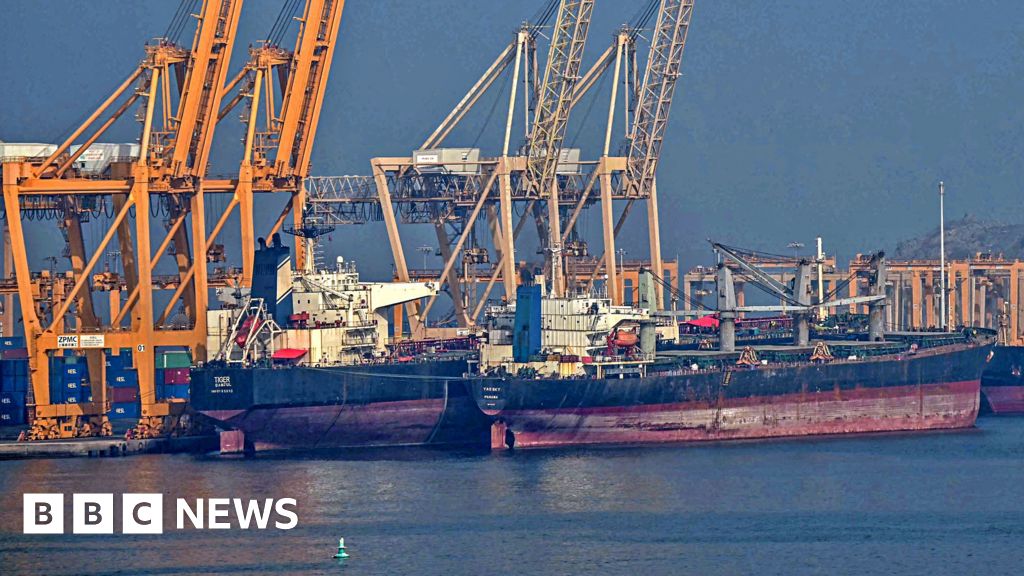
Tankers are seen at the Khor Fakkan Container Terminal, the only natural deep-sea port in the region and one of the major container ports in the Sharjah Emirate, along the Strait of Hormuz, a waterway through which one-fifth of global oil output passes on June 23, 2025.
TL;DR
The United Arab Emirates will quit OPEC and OPEC+ next month, stripping roughly 15% of the cartel’s production capacity.
Context The UAE has been an OPEC member since 1967, joining the original five founders and later the broader OPEC+ alliance that includes non‑cartel producers. After almost 60 years, the Gulf state announced it will walk away from both groups. The move follows years of investment in new drilling and infrastructure aimed at expanding its output.
Key Facts - In 2024 the UAE produced 2.9 million barrels of oil per day, a figure that will no longer be counted in OPEC’s official capacity. - The departure eliminates about 15 % of the cartel’s total output, a share previously supplied by one of its most compliant members. - The UAE’s energy minister said leaving the groups will give the country “more flexibility” to meet rising global demand. - Analysts note the exit could allow the UAE to increase production by up to 1 million barrels per day, a level it could not achieve under OPEC’s quota system. - The cartel will shrink to 11 members, while OPEC+ will lose a key non‑OPEC partner.
What It Means The UAE’s exit removes a reliable vote‑setter from OPEC’s internal negotiations, forcing the remaining members, led by Saudi Arabia, to shoulder greater responsibility for market balance. With the UAE free to raise output, global supply could rise modestly, potentially easing price pressures but increasing market volatility. The shift also signals a broader realignment: the UAE may deepen ties with the United States and other non‑cartel producers, while OPEC faces the risk of further defections if other members seek similar flexibility.
Watch for Saudi Arabia’s response in the coming weeks and any early production adjustments by the UAE that could reshape oil price dynamics.
Continue reading
More in this thread
Conversation
Reader notes
Loading comments...