Two Nigerians Killed in South African Security Encounters, Consulate Announces Repatriation Flights
Nigerian consulate confirms two deaths linked to South African security forces and announces voluntary repatriation flights amid rising xenophobia.
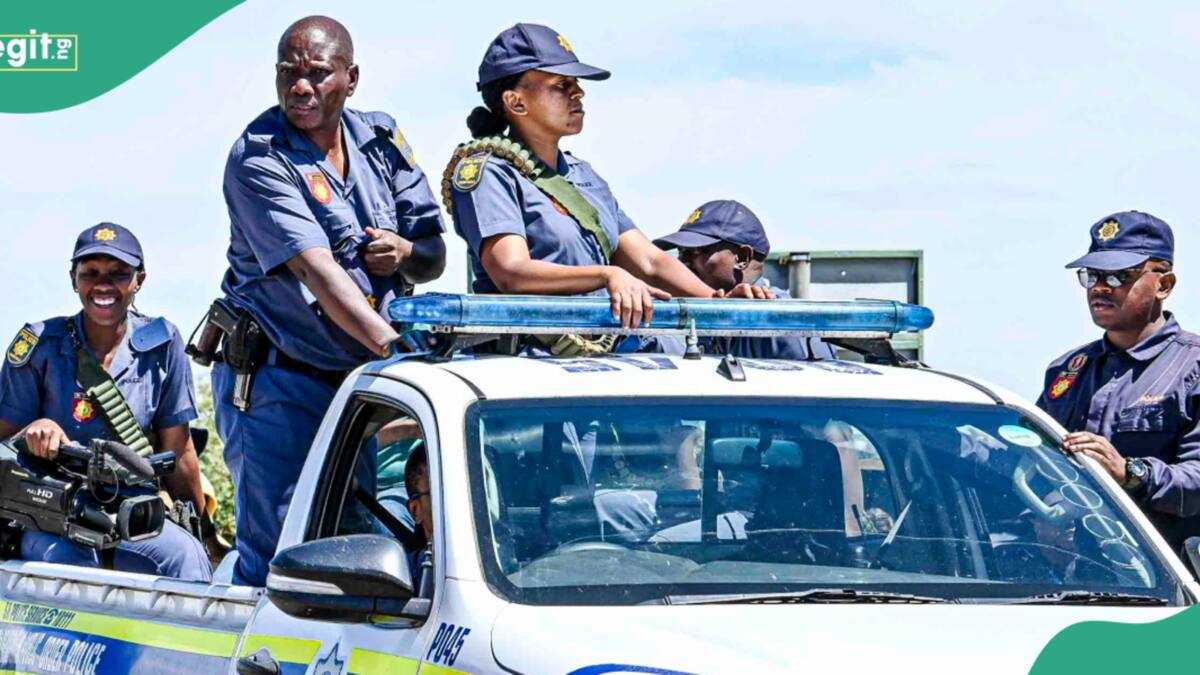
South Africa police
TL;DR
Two Nigerians died in separate incidents involving South African security forces, prompting the Nigerian Consulate to offer voluntary repatriation flights amid growing xenophobia concerns.
Context Anti‑foreigner protests have resurfaced in several South African cities, including Johannesburg, Pretoria, Durban, Cape Town and KwaZulu‑Natal. Demonstrators have targeted migrant traders, forcing many to shut shops early and avoid public spaces. The unrest has heightened anxiety among the sizable Nigerian community, which estimates tens of thousands of residents across the country.
Key Facts The Nigerian Consulate in Johannesburg confirmed that Amaramiro Emmanuel died from injuries after an encounter with the South African National Defence Force on 20 April. In a separate case, Ekpenyong Andrew was arrested in Pretoria following an alleged clash with Tshwane Metro Police; his body was later found at the Pretoria Central Mortuary. In response, the Consulate and the Nigerian Citizens Association in South Africa (NICASA) have organized voluntary repatriation flights for Nigerians who wish to leave the country due to the heightened insecurity.
Nigeria’s federal government has summoned South Africa’s acting high commissioner to discuss safety for Nigerian nationals and their businesses. Diplomatic talks are ongoing, with both ministries emphasizing the need to protect citizens while preserving bilateral trade ties.
What It Means The deaths underscore the volatility of South Africa’s anti‑immigrant climate and the risk of further escalation. The repatriation flights signal a shift toward facilitating exits rather than solely demanding protection on the ground. Continued diplomatic pressure may compel South African authorities to tighten security protocols during protests and improve coordination with foreign missions. Watch for updates on bilateral negotiations and any policy changes that could affect the movement of migrants across the region.
Continue reading
More in this thread
Conversation
Reader notes
Loading comments...