Twelve Apostles dated to 8.6–14 million years, drawing 2.8 million visitors each year
The Twelve Apostles are 8.6 to 14 million years old, according to fossil‑based dating published in the Australian Journal of Earth Sciences, and receive 2.8 million visitors annually.
TL;DR: New dating shows the Twelve Apostles are 8.6 to 14 million years old and draw 2.8 million visitors each year.
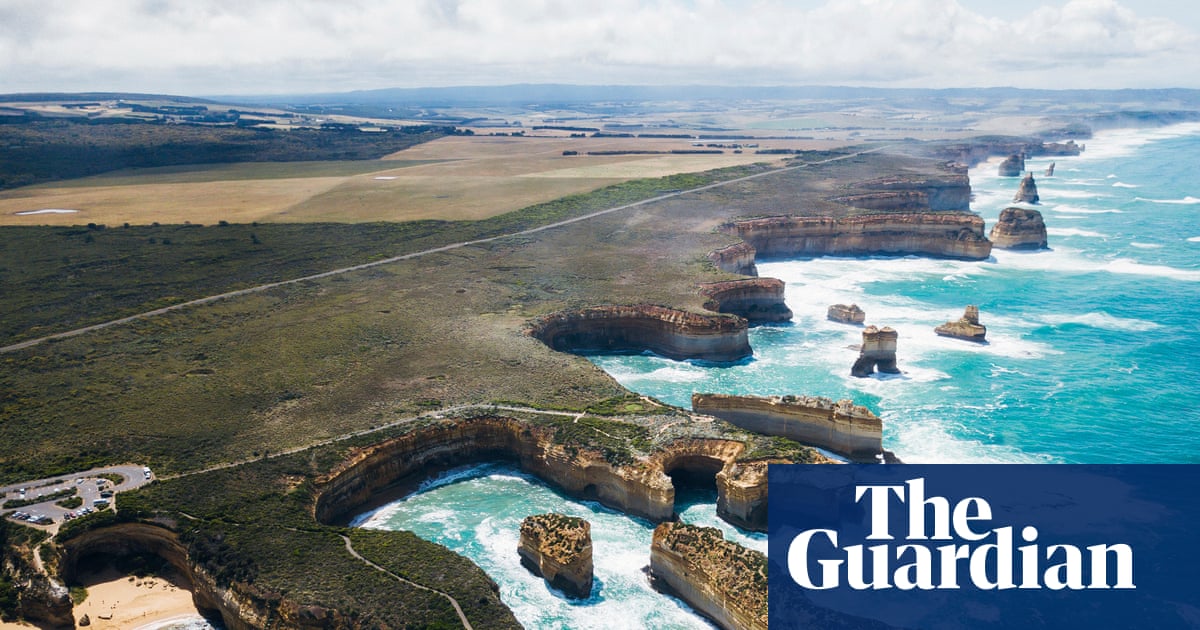
Standing on the cliffs of Victoria’s Great Ocean Road, tourists see iconic limestone stacks rising from the Southern Ocean. Microscopic fossils called foraminifera embedded in the rock have allowed scientists to pinpoint the age of each layer. The study, published in the Australian Journal of Earth Sciences, combined photographs, digital mapping, gamma radiation measurements, and fossil analysis.
Researchers found the Port Campbell limestone that forms the Apostles ranges from 8.6 to 14 million years old, placing its formation in the mid‑Miocene. Approximately 2.8 million people visit the site every year, making it one of Australia’s most popular natural attractions. Associate Professor Stephen Gallagher of the University of Melbourne noted, “We see layers, we see time, we see a history of the Earth,” emphasizing how the tilted strata record ancient tectonic shifts.
The methodology relied on single‑celled foraminifera that evolved, lived, and went extinct at known intervals, providing a biological clock for the rock. Gamma radiation readings helped confirm the density and composition of the layers, while digital mapping captured the precise tilt of the strata—now measured at a few degrees from horizontal. These data also revealed small fault lines, evidence of past earthquakes that shaped the coastline.
Understanding the Apostles’ true age clarifies the geological story of southeastern Australia, linking the rocks to the Middle Miocene Climatic Transition when global cooling began. It also highlights the contrast between the ancient bedrock and the much younger sea stacks, which formed only a few thousand years ago as erosion carved the cliffs.
Ongoing monitoring will track erosion rates, sea‑level changes, and any further tectonic activity to predict how the landscape may evolve. Visitors and scientists alike will watch for new fossil discoveries that could refine the timeline even further.
Continue reading
More in this thread
AI Model Detects Lion Roars from Collar Movement Data
Dr. Leo Tanaka
Global Renewable Energy Narrows Coal Gap to 50 TWh as US Clean Power Surpasses Fossil Fuel Share
Dr. Leo Tanaka
UK MPs Call for 2027 Phase‑Out of Non‑Essential PFAS in Uniforms and Pans
Dr. Leo Tanaka
Conversation
Reader notes
Loading comments...