Trump's New Cuba Sanctions Push Gas to $40 a Gallon, Ambassador Vows Sovereignty
New U.S. sanctions push Cuban gasoline to $40 per gallon, deepening shortages. Cuba's ambassador says talks will only happen with respect for sovereignty.
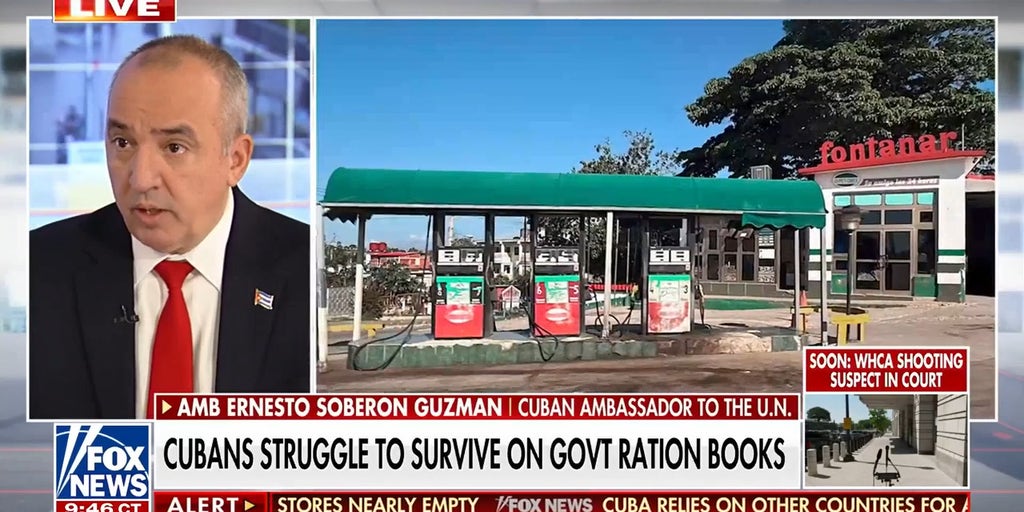
Trump slaps new sanctions on Cuba amidst economic crisis, Cuban ambassador responds | Fox News Video
*TL;DR: New U.S. sanctions have driven Cuban gasoline to $40 per gallon, intensifying an already severe economic crisis. Cuba’s ambassador says the island will only engage in talks that respect its sovereignty.
Context President Donald Trump announced a fresh round of sanctions targeting Cuba’s key economic sectors. The measures arrive as the island grapples with hyperinflation, food scarcity and a fuel market that has collapsed.
Key Facts - Gasoline now costs $40 per gallon in Cuba, a price that makes basic transportation unaffordable for most citizens. - The sanctions restrict access to U.S. financial services and tighten limits on trade in oil and related equipment, further choking the supply chain. - Cuban Ambassador Ernesto Soberón Guzmán told reporters the government is prepared for negotiations, but only if they are based on “mutual respect.” He rejected any notion of surrender and reaffirmed Cuba’s commitment to sovereignty and independence despite the blockade. - The economic shock follows months of shortages in food, medicine and other essentials, a situation the Cuban government attributes to the U.S. embargo and recent policy tightening.
What It Means The $40‑per‑gallon price signals a tipping point for Cuba’s already fragile economy. Higher fuel costs raise transportation expenses, which in turn push up prices for food and consumer goods. The sanctions also limit the island’s ability to import spare parts for generators and refineries, threatening power reliability.
Cuba’s diplomatic stance suggests it will not concede to U.S. pressure without guarantees of respect for its political autonomy. The ambassador’s call for “mutual respect” hints at a possible diplomatic opening, but the language also underscores a firm refusal to accept conditions perceived as infringing on national sovereignty.
International observers warn that prolonged fuel scarcity could trigger social unrest, as citizens struggle to afford basic mobility and heating. The sanctions may also push Cuba to deepen ties with alternative partners such as Russia, China or Venezuela, seeking oil and technical assistance outside U.S. influence.
Looking ahead, monitor any shifts in Cuban trade patterns, the U.S. administration’s enforcement of the sanctions, and whether diplomatic talks emerge that could alter the trajectory of the island’s economic crisis.
Continue reading
More in this thread
Conversation
Reader notes
Loading comments...