Trump’s Late‑Night Truth Social Surge Prompts 25th Amendment Discussion
Trump posted over 50 times on Truth Social after 10 p.m. ET, said he ignores Americans’ finances, and warned Iran to open the Strait of Hormuz or face hell, sparking 25th Amendment talk.
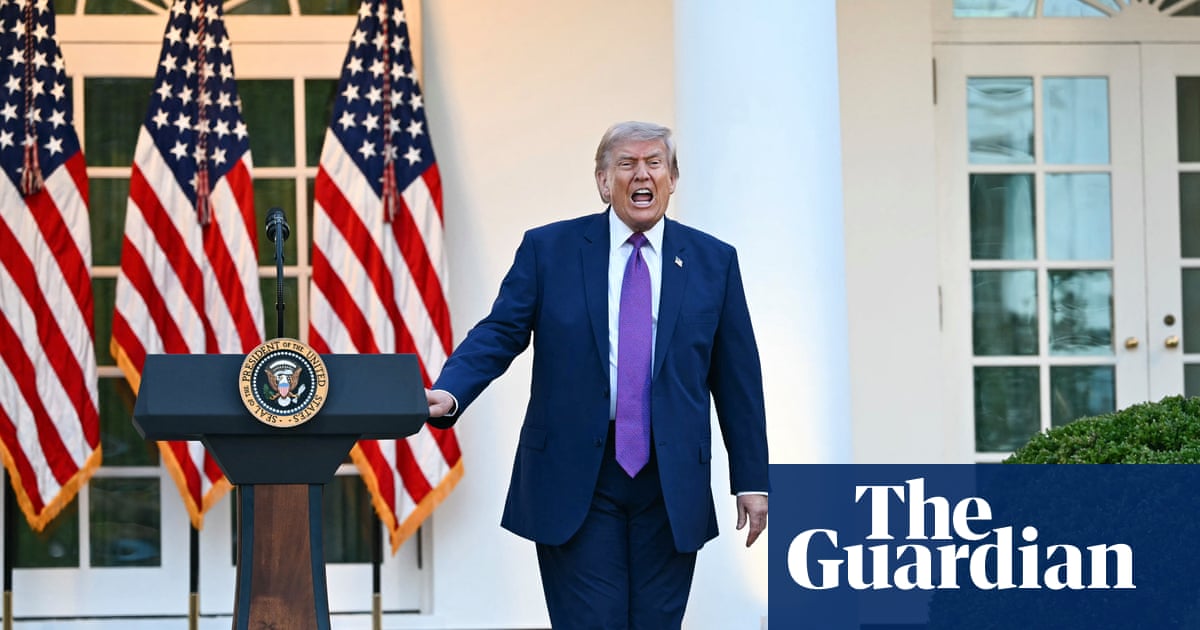
TL;DR
Trump posted more than 50 times on Truth Social after 10 p.m. ET, said he does not monitor Americans’ financial situation, and warned Iran to open the Strait of Hormuz or face living in hell. The pattern has renewed debate over whether his conduct meets the 25th Amendment standard for removal from office.
Context: Truth Social, the former president’s own platform, has become a venue for frequent late‑night messaging. Observers note that such bursts often coincide with rising tensions over the Strait of Hormuz, a waterway whose blockages have contributed to higher gasoline prices nationwide. Meanwhile, the administration prepares for a high‑level meeting with China’s president later this week.
The amendment requires the vice president and a majority of cabinet secretaries to transmit a written declaration to Congress that the president is unable to fulfill his role. If the president contests, Congress decides within 21 days. Only two presidents have ever faced such scrutiny, and neither was removed.
Key Facts: In a span of under three hours after 10 p.m. ET, Trump’s account generated over 50 posts, a rate that exceeds his usual daily output. During a press exchange he stated, "I don't think about Americans' financial situation," indicating a deliberate disengagement from economic concerns affecting constituents. Separately, he directed Iran to "open the fucking strait, you crazy bastards, or you'll be living in hell," adding a religious phrase and threatening severe repercussions if the waterway remains closed.
What It Means: Legal scholars point to the 25th Amendment, which allows the vice president and a majority of the cabinet to declare a president unable to discharge duties. The combination of erratic late‑night posting, dismissive remarks on public welfare, and inflammatory foreign‑policy statements fuels the argument that his behavior may impair his capacity to govern. Critics say the posts distract from pressing issues such as inflation, electoral redistricting, and ongoing conflicts, while supporters view them as routine communication.
Psychologists consulted by media outlets have noted that prolonged, high‑frequency posting can reflect stress or altered cognition, though they caution against diagnosing from public posts alone. No cabinet member has publicly invoked the amendment, and the White House has characterized the posts as routine presidential communication.
What to watch next: Congressional committees may schedule hearings on the president’s fitness, and the upcoming Sino‑American summit could test whether his online activity influences diplomatic negotiations. Legislative aides say they are monitoring the frequency and content of the president’s posts for any pattern that might meet the threshold for congressional review. The next scheduled briefing on national security is set for later this month, where Iran’s maritime activity will be a agenda item.
Continue reading
More in this thread
Conversation
Reader notes
Loading comments...