Trump’s China Visit Spotlights Taiwan Stance, Tariff Legacy, and Inflation Pressure
Trump’s Beijing summit with Xi focuses on Taiwan defense, the lingering 20% tariff on Chinese imports, and U.S. inflation at 3.8% driven by Middle East energy prices.
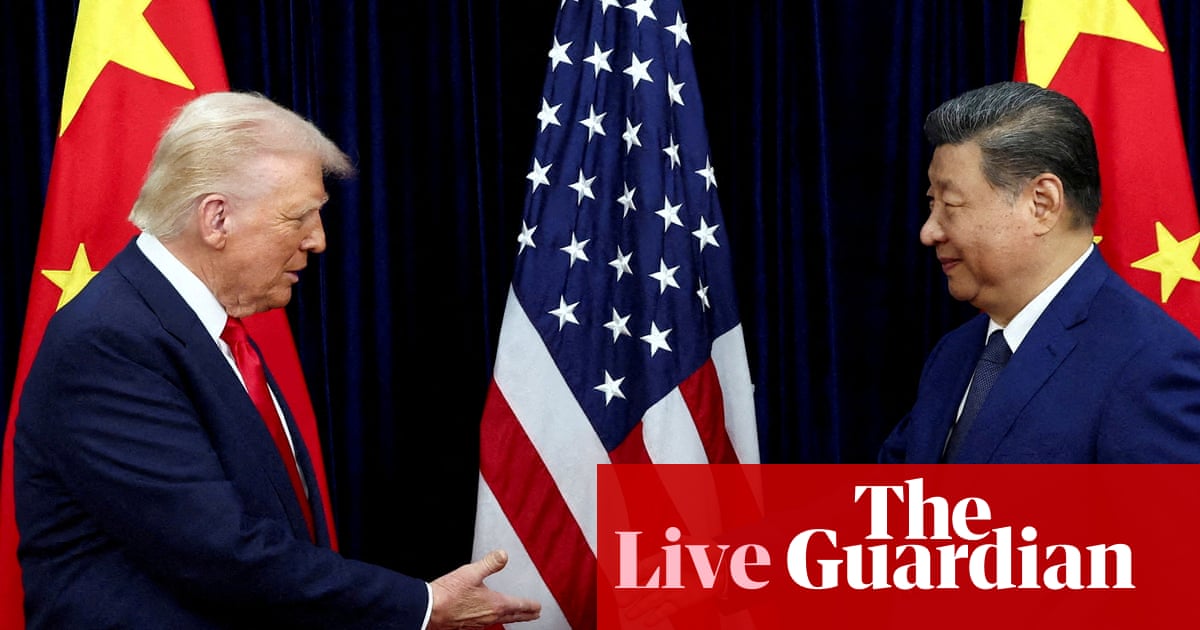
TL;DR: Donald Trump’s upcoming Beijing summit with Xi Jinping puts Taiwan’s defense, lingering tariffs, and rising U.S. inflation at the forefront of talks. The meeting could shape trade policy and security commitments amid global price pressures.
Context
Trump is set to meet Xi Jinping in Beijing for a two‑day summit aimed at preserving a tentative trade truce while addressing broader geopolitical flashpoints. The agenda includes Iran’s nuclear ambitions, regional supply‑chain dependencies, and the status of Taiwan, which Beijing claims as part of its territory.
Both leaders seek concessions: China wants clearer U.S. positioning on Taiwan, while the United States looks for Chinese cooperation on Iran and trade balance. This will be Trump’s first face‑to‑face meeting with Xi since his 2019 state visit, marking a rare diplomatic engagement after years of strained relations.
Key Facts
Trump told reporters that President Xi would like the United States to refrain from supporting Taiwan’s defense and said he will raise that issue during the talks. In February of the previous year, Trump imposed a 20 % tariff on Chinese imports, arguing that Beijing facilitated fentanyl trafficking into the United States.
China responded with its own tariffs on U.S. coal, liquefied natural gas, oil and agricultural goods. U.S. consumer inflation rose to 3.8 % year‑over‑year in April, with the increase largely tied to higher energy prices stemming from the ongoing Middle East conflict.
What It Means
The Taiwan discussion could signal a shift in how the United States balances its security commitments with China’s core sovereignty concerns, potentially affecting future arms sales and diplomatic language. The 20 % tariff, still in place, continues to influence import costs and may be revisited as part of any new trade framework. Inflation at 3.8 % adds pressure on households and could complicate Federal Reserve policy, especially if energy prices remain volatile.
Analysts note that any shift in tariff policy could ripple through global supply chains, affecting prices beyond the United States. Observers will watch whether the summit yields concrete concessions on Taiwan, any adjustment to tariff levels, and signs of coordinated action on inflation‑driving energy markets.
Continue reading
More in this thread
Conversation
Reader notes
Loading comments...