Trump Says US‑Iran Deal Near Completion, Strait of Hormuz to Reopen
President Trump claims a US‑Iran agreement is almost finalized and will reopen the Strait of Hormuz, with Pakistan urging swift follow‑up talks.
TL;DR
President Trump announced that a deal involving the United States, Iran and regional powers is almost finalized and will soon reopen the Strait of Hormuz, while Pakistan’s prime minister says the next round of talks is imminent.
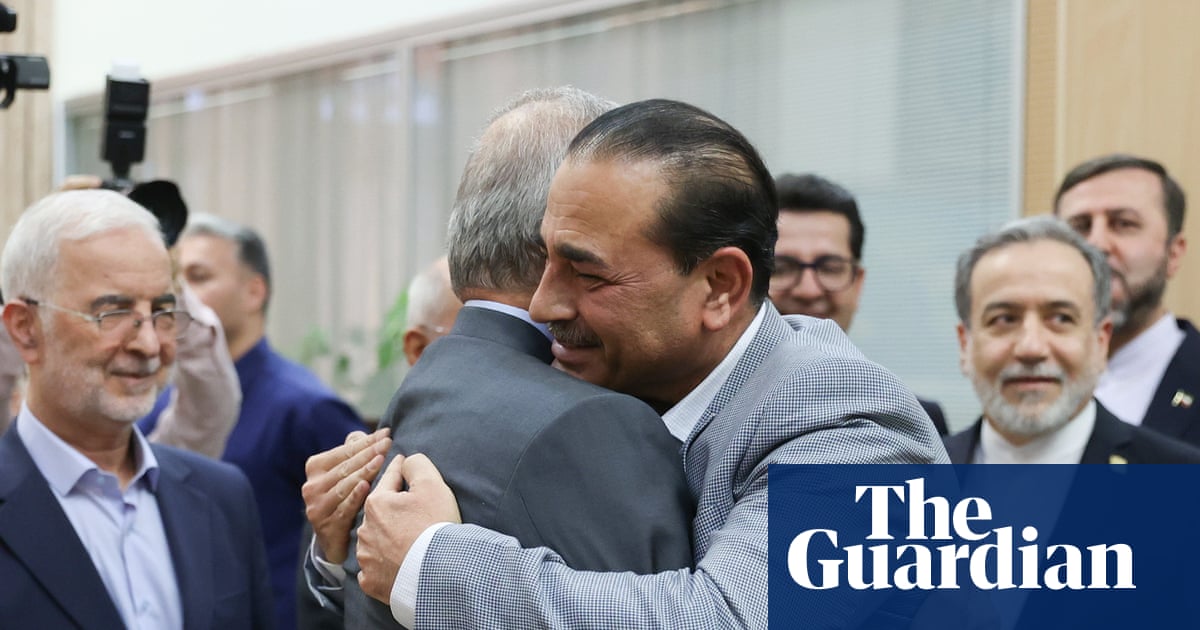
Context The United States has been negotiating with Iran for months to resolve tensions that have kept the strategic Strait of Hormuz—through which about a fifth of global oil passes—closed or restricted. Recent diplomatic activity in Tehran involved Pakistani officials, signaling broader regional involvement.
Key Facts - Trump posted that an agreement “has been largely negotiated, subject to finalization” among the United States, Iran and other regional actors. He added that the pact includes reopening the Strait of Hormuz and will be announced shortly. - Pakistani Prime Minister Shehbaz Sharif said the next round of US‑Iran talks will occur “very soon,” following what he described as “highly productive” discussions between Pakistani and Iranian leaders in Tehran. - No official text of the agreement has been released, and the timeline for formal signing remains unclear.
What It Means If the deal proceeds, reopening the Strait of Hormuz could restore a major conduit for oil shipments, potentially easing global energy prices that have been volatile since the Strait’s closure. Regional powers such as Saudi Arabia and the United Arab Emirates have historically opposed Iranian influence; their participation suggests a broader consensus may be forming.
The United States stands to gain a diplomatic win that could reduce the risk of military confrontation in the Persian Gulf, a region where naval incidents have escalated in recent years. For Iran, regaining access to the Strait would alleviate economic pressure from sanctions and boost export revenues.
Pakistan’s role as a facilitator highlights its growing diplomatic clout in South‑Asia and the Middle East. Sharif’s call for “very soon” talks indicates that Islamabad may act as a bridge, helping to align the interests of Tehran and Washington.
Observers caution that “subject to finalization” leaves room for significant negotiation over nuclear constraints, missile programs and regional security guarantees. Any breakdown could reignite the threat of conflict that has loomed over the Gulf for years.
What to watch next: The timing of the formal announcement, the content of the final agreement, and reactions from Saudi Arabia, the United Arab Emirates and the European Union will shape the deal’s impact on regional stability and global oil markets.
Continue reading
More in this thread
Conversation
Reader notes
Loading comments...