Trump Urges Caution on Iran Deal, Keeps Port Blockade Intact
President Trump urged negotiators to take time with Iran, said the U.S. port blockade will stay until a deal is signed, and outlined a possible 60‑day ceasefire extension.
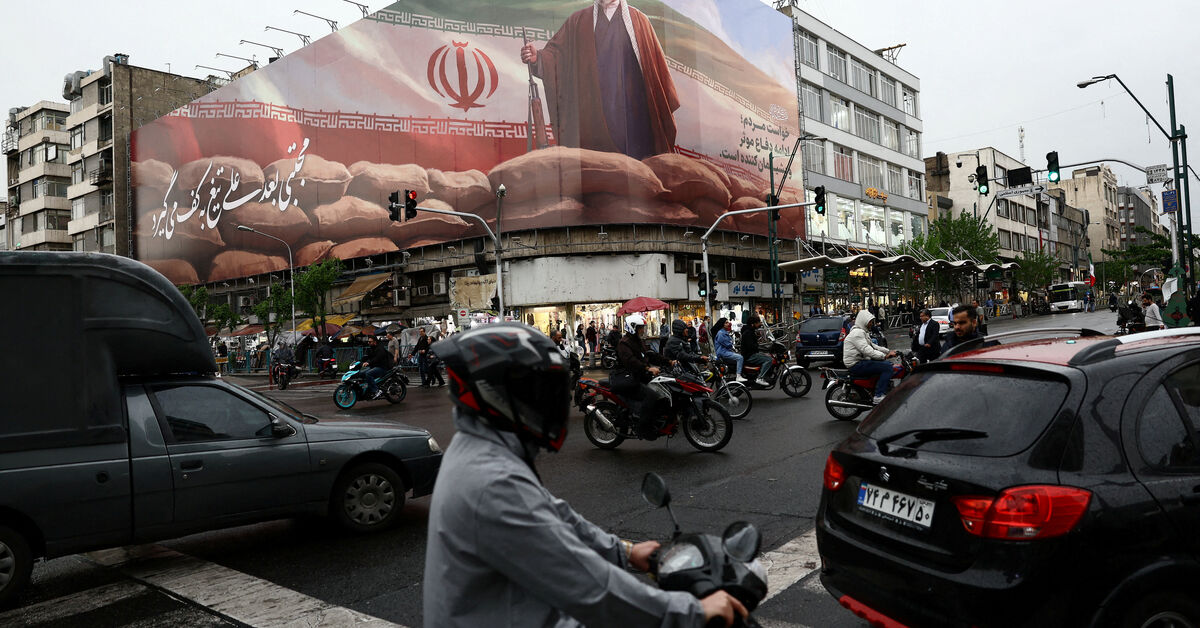
TL;DR: Trump warned negotiators not to rush an Iran agreement and said the U.S. port blockade will stay until a deal is signed. He added that any deal would likely extend the ceasefire by 60 days, reopen the Strait of Hormuz and allow Iranian oil sales while talks on its nuclear program continue.
The United States has maintained a blockade of Iranian ports since April 13, after Iran halted traffic through the Strait of Hormuz in response to US-Israeli strikes that began February 28.
The blockade began after Tehran virtually stopped traffic through the economically vital Strait of Hormuz, a move Tehran framed as retaliation for the February 28 strikes on Iranian sites. Since then, the U.S. Navy has monitored the area to enforce the restriction.
Negotiators have been meeting intermittently, and Iran's foreign ministry said on Saturday that the sides are nearing a memorandum of understanding built around 14 clauses. The White House has not disclosed the draft terms.
Trump told his team on Truth Social not to rush into a deal, saying "time is on our side." He also declared that the blockade will remain "in full force and effect until an agreement is reached, certified, and signed."
According to Axios, a prospective agreement would extend the current ceasefire by 60 days, reopen the Strait of Hormuz for commercial shipping, permit Iran to sell oil freely, and open negotiations on its nuclear program.
Senate Republicans Roger Wicker, Ted Cruz and Thom Tillis have publicly warned that a rushed deal would jeopardize security gains and could allow Iran to retain nuclear material or gain financial relief.
The continued blockade keeps pressure on Tehran's economy while giving Washington leverage to extract concessions. Analysts note that a 60‑day pause could stabilize shipping routes and temporarily boost Iranian oil exports, but any lasting settlement would still need to address enrichment limits and verification.
Analysts say a temporary reopening of the Strait could ease global oil price pressures, though markets remain wary of any sudden shift in Iranian output.
Any eventual agreement would need robust inspection mechanisms to prevent covert enrichment, a point emphasized by both the administration and its critics. Republican lawmakers have warned that easing restrictions too soon could undo gains from recent military operations and risk enabling Iran's nuclear ambitions. The next steps will depend on whether Tehran's leadership finalizes the MOU and if Congress moves to block or sanction any preliminary accord.
Watch for whether the blockade persists past the next negotiating round and if Congress moves to sanction any preliminary agreement.
Continue reading
More in this thread
Viet Nam and Thailand Upgrade to Comprehensive Strategic Partnership, Set $25 Billion Trade Goal
Nadia Okafor
Seán Kyne Secures Galway West Bye‑Election, Promises Thrilling Start
Nadia Okafor
Trump’s Iran Deal Stalls Amid Hawk Criticism of Asset Unfreeze and Nuclear Concessions
Nadia Okafor
Conversation
Reader notes
Loading comments...