Trump Threatens Immediate Action on Cuba After Iran Conflict, While Washington Tightens Sanctions
Trump warned the U.S. could act on Cuba after the Iran conflict as Washington tightens sanctions and Cuba opens a new solar park.
TL;DR
Trump warned that the United States could act against Cuba almost immediately after ending the Iran conflict, as Washington rolls out a new executive order tightening sanctions while Cuba opens a solar‑powered energy facility.
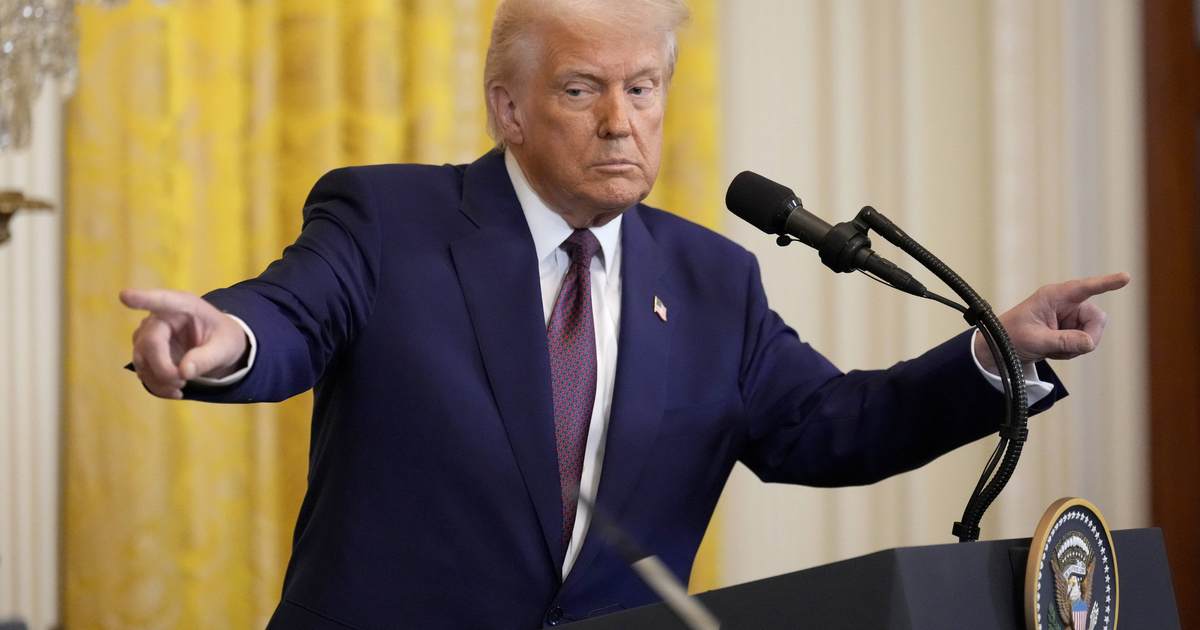
During a private dinner in West Palm Beach, Florida, former President Donald Trump told political and business leaders that the U.S. could “take Cuba almost immediately” after achieving what he called a victory in Iran. He suggested positioning a U.S. aircraft carrier near Cuban waters to force a swift surrender. The remarks, made without official diplomatic backing, have sparked concern about a possible escalation of U.S. military posture in the Caribbean.
The White House responded by issuing an executive order that expands economic pressure on Havana. The order adds energy, mining, financial services and defense to the list of targeted sectors. It also threatens asset freezes and bans on U.S. financial system access for any individual or company—domestic or foreign—engaged in transactions that generate revenue for the Cuban government. The move is part of a broader “maximum pressure” strategy aimed at limiting Cuba’s ability to finance its operations.
Cuban President Miguel Díaz‑Canel denounced the sanctions as coercive, saying they will deepen hardship for ordinary Cubans. In contrast, Havana highlighted a domestic achievement: the inauguration of a photovoltaic solar park with battery storage in Ciego de Ávila province. The solar facility, built with international cooperation, expands renewable energy capacity and reduces reliance on imported fuel, a critical step given the island’s strained access to external resources.
The juxtaposition of heightened U.S. rhetoric, expanded sanctions, and Cuba’s push for energy independence underscores a deepening geopolitical standoff. Washington’s strategy seeks to squeeze Cuba’s economy while signaling willingness to consider military options. Havana’s renewable‑energy projects aim to bolster resilience against those pressures and maintain electricity reliability for its population.
What to watch next: monitor any official U.S. military deployments near Cuba, further sanctions roll‑outs, and Cuba’s progress on renewable‑energy projects that could mitigate the impact of external constraints.
Continue reading
More in this thread
Fact Check: Cuba’s Distance from Florida, US Embargo Continuity, and Trump’s Sanctions Order
Nadia Okafor
Texas Election Results Show Republicans Aligning With Trump on Iran Amid 60-Day Deadline
Nadia Okafor
China Urges UN to Halt UNIFIL Pullout as Lebanon Death Toll Rises
Nadia Okafor
Conversation
Reader notes
Loading comments...