Trump threatens 25% tariff on EU cars as transatlantic surplus shrinks
Trump plans to raise EU auto tariffs to 25% amid a near‑50% drop in the EU's trade surplus with the US, sparking fresh transatlantic tension.
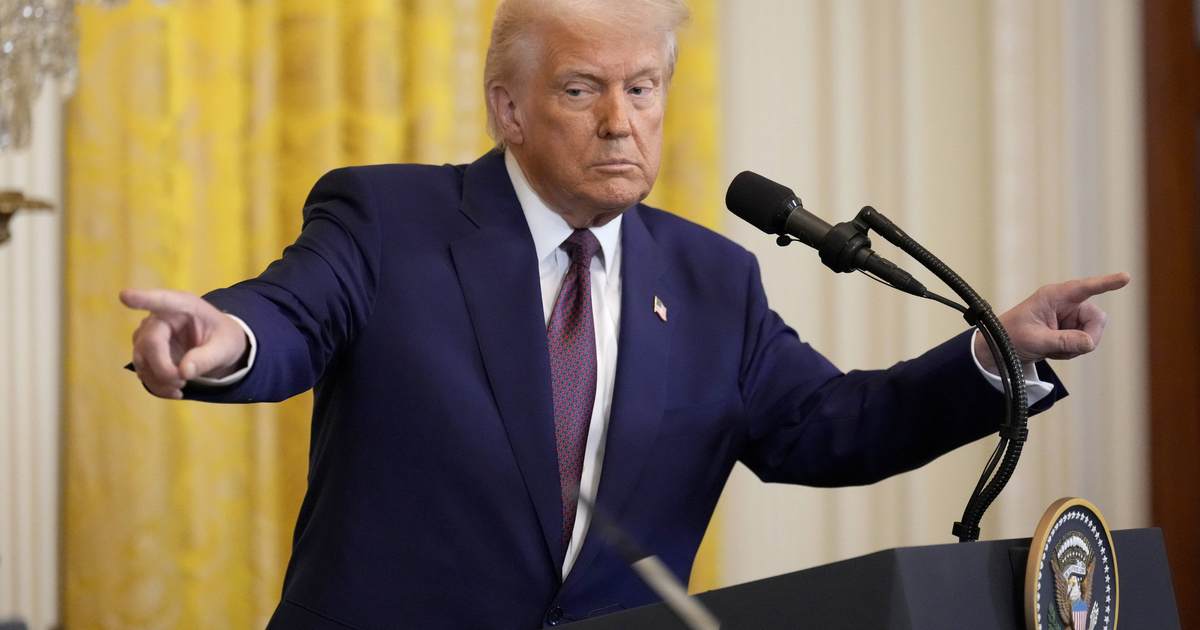
TL;DR: President Trump plans to lift tariffs on EU cars and trucks from 15% to 25% next week, a move that comes as the EU’s trade surplus with the United States falls to €40.8 billion in Q3 2025.
Context The United States and the European Union signed a broad trade agreement in July 2025 that capped U.S. tariffs on most EU goods, including automobiles, at 15%. The deal also secured large EU commitments to purchase U.S. energy products and defense equipment. Since then, the EU’s overall goods surplus with the U.S. has eroded sharply, dropping from €81.2 billion in Q1 2025 to €40.8 billion in Q3 2025.
Key Facts - Trump announced on his Turnberry golf resort that, citing alleged EU non‑compliance with the trade pact, he will raise the tariff on EU‑made cars and trucks to 25% effective next week. He offered no evidence for the compliance claim. - The tariff increase would apply only to imports; vehicles produced in the United States by EU firms would remain exempt. - German Member of the European Parliament Bernd Lange called the threat “politically aimed at Germany” and said it lacks both legal and economic justification. - The EU’s goods trade surplus with the United States fell by almost 50% in the second half of 2025, reflecting weaker export performance in sectors such as pharmaceuticals, car parts and industrial chemicals. - The European Parliament has already added a safeguard clause that would suspend the trade deal if the U.S. imposes tariffs above the agreed 15% level. EU lawmakers are now negotiating the final safeguards with the European Council.
What It Means If implemented, the 25% tariff would raise the cost of European automobiles in the U.S. market, potentially reducing sales for German, French and Italian manufacturers that dominate the segment. A higher price tag could shift U.S. buyers toward domestic brands or other low‑tariff sources, further compressing the EU’s trade surplus. The move also tests the resilience of the July trade agreement; the EU’s safeguard provision could trigger a suspension, escalating a trade dispute that already strains transatlantic relations over issues like Iran policy.
Looking Ahead Watch for the EU Parliament‑Council negotiations on the safeguard clause and any legal challenges the United States may face under the 1974 Trade Act as the tariff deadline approaches.
Continue reading
More in this thread
Macron Nominates Former Chief of Staff Emmanuel Moulin as Bank of France Governor
Nadia Okafor
Iran’s Second Missile Strike in 48 Hours Challenges US Ceasefire Claim
Nadia Okafor
Muscogee Nation Committee Passes $1.5M Energy Bill, Defers Multi‑Million Health Grants
Nadia Okafor
Conversation
Reader notes
Loading comments...