Trump Tariff Refunds Begin with $127bn in Claims, But Consumers Likely Miss Out
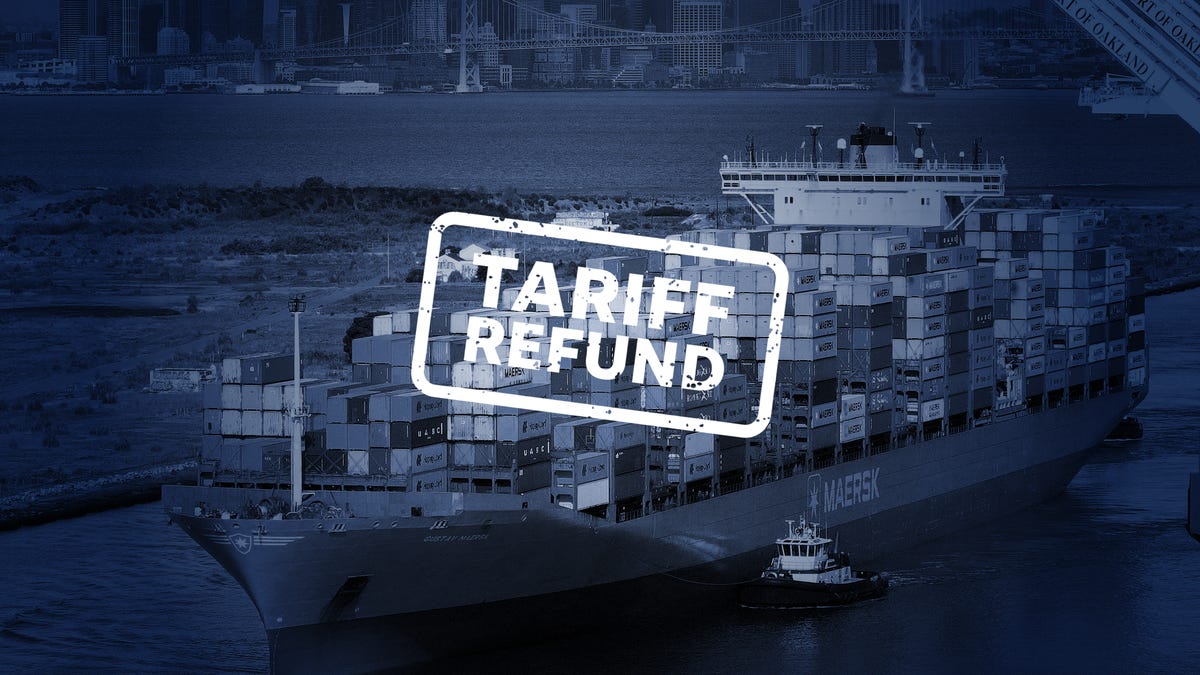
Over $127 billion in Trump-era tariffs are being claimed by importers, following a court order for refunds. Consumers who paid higher prices are unlikely to benefit.
TL;DR
Refunds for Trump-era tariffs have begun, with $127 billion in claims submitted by importers. While businesses can reclaim these funds, individual consumers who paid higher prices are unlikely to see direct compensation.
Context The US Court of International Trade mandated the refund of over $160 billion in tariffs collected under the Trump administration. These levies, imposed using the International Emergency Powers Act (IEEPA), were later deemed unlawful, triggering a historical repayment program. This ruling potentially affects approximately 330,000 importers who initially paid the duties. The court's decision broadly entitles "all importers of record whose entries were subject to IEEPA duties" to benefit.
Key Facts A new online portal now facilitates these claims for affected businesses. By early April, over 56,000 importers had submitted applications through the Consolidated Administration and Processing of Entries (CAPE) portal. Their combined claims totaled $127 billion. Dan Anthony, Executive Director at We Pay the Tariffs, characterized the portal’s launch as a "mixed bag" for small businesses, indicating varied experiences with the new system. Successful applicants anticipate receiving their refunds, including any applicable interest, within 60 to 90 days. This comprehensive process represents one of the largest repayment programs in US history.
What It Means While businesses stand to recover substantial funds, the direct benefit for individual consumers remains largely uncertain. Consumers indirectly bore the financial burden of these tariffs through higher prices on a wide range of goods. Despite this impact, few businesses have publicly committed to passing these refunds directly to shoppers via lower prices or rebates. This lack of guaranteed direct consumer relief has prompted some individuals to initiate class-action lawsuits, arguing businesses should disburse recovered funds to those who originally paid more. While Costco's chief executive has indicated plans to pass on refunds through "lower prices and better values," other officials from the Trump administration have expressed that they do not expect consumers to benefit directly. The broader economic impact of these refunds is still developing, as businesses may prioritize using recovered funds as operational buffers, especially given ongoing economic uncertainties, rather than immediate price reductions. This situation underscores a disparity: the initial financial burden affected a broad consumer base, yet restitution primarily targets businesses. The coming months will provide clarity on the efficiency of the refund process and if any consumer-facing companies ultimately adjust their pricing strategies in response.
Continue reading
More in this thread
Strata Critical Medical Sets Q1 2026 Earnings Call for May 6, With History of -4.1% Stock Reaction
Elena Voss
Record 1.35 Million UK Workers Hold Two Jobs Amid Rising Cost of Living
Elena Voss
Mission Produce Clears HSR Hurdle, Sets July 2026 Target for Calavo Merger Completion
Elena Voss
Conversation
Reader notes
Loading comments...