Trump Signals Openness to Iran Talks as Tehran’s Envoy Visits Pakistan
Trump said Iran can start talks if it wishes; Iran’s FM met Pakistan’s army chief and shared notes on nuclear red lines and the Strait of Hormuz.
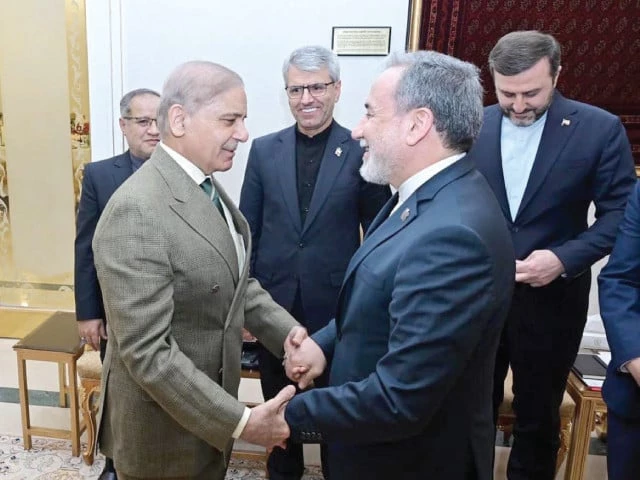
TL;DR: Trump said Iran can start talks with the U.S. if it chooses, while Iran’s foreign minister met Pakistan’s army chief and delivered written notes on Tehran’s nuclear red lines and the Strait of Hormuz. The moves signal renewed diplomatic probing despite no direct negotiations yet.
Context: Backchannel contacts have intensified across the Middle East as regional actors seek to lower tensions after months of heightened rhetoric. Iran’s foreign minister, Abbas Araghchi, recently shuttled between Muscat and Islamabad, using Pakistani aircraft to coordinate with Islamabad’s military leadership. His visit follows a series of similar trips by Gulf and Turkish officials aiming to build a broader framework for any future U.S.–Iran agreement. Analysts note that the backchannel activity reflects a shared interest in preventing escalation that could disrupt global oil supplies.
Key Facts: Trump told Fox News that "If the Iranians want to talk, they can reach out to us," indicating Washington’s willingness to engage without preconditions. Araghchi met Pakistan’s Chief of Army Staff, Field Marshal Syed Asim Munir, to discuss de‑escalating regional tensions, according to Iranian media. During the same visit he carried written messages outlining Iran’s position on its nuclear red lines and the security of the Strait of Hormuz, which officials said were meant to clarify Tehran’s stance rather than launch formal talks.
What It Means: The combination of an open U.S. invitation and Iran’s diplomatic outreach suggests both sides are testing the waters for a possible reset while avoiding direct confrontation. Pakistan’s role as a conduit highlights its continued influence in regional security discussions, especially regarding maritime chokepoints. Observers will watch whether Tehran translates its written messages into concrete proposals and whether Washington responds with a reciprocal signal.
What to watch next: Future moves include Araghchi’s scheduled stop in Moscow for talks with Russian officials and any subsequent U.S. statements that might shift from openness to concrete negotiation proposals.
Continue reading
More in this thread
Al-Qaeda-Linked Allies Kill Mali Defence Minister, Strike Russian Mercenaries
Nadia Okafor
Iran Engages Russia, Trump Offers Talks Amid Escalating Regional Conflict
Nadia Okafor
Investigators Probe Anti-Trump Motive as Suspect’s Manifesto Names Administration Officials as Top Targets
Nadia Okafor
Conversation
Reader notes
Loading comments...