Trump Signals Openness to Iran Talks Amid Escalating Lebanon Conflict
US President Donald Trump suggests Iran can call for talks to end the two-month conflict. This comes as Israeli strikes kill 14 in Lebanon and Iran's top diplomat meets Russia's Putin.
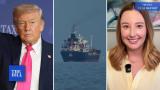
Iran announced Friday morning that the Strait of Hormuz is “completely” open amid the temporary ceasefire reached between Israel and Lebanon. President Trump reacted enthusiastically to Iran’s announcement but said the U.S. blockade remains in place.
Diplomatic efforts to de-escalate the two-month US-Israel war on Iran are intensifying. This comes as violence escalates in Lebanon and the US President signals an openness to direct communication with Iran.
The US-Israel war on Iran has reached its 59th day, marked by heightened diplomatic activity seeking resolution. International mediation and regional partner discussions aim to address the ongoing conflict's complex dynamics.
US President Donald Trump stated that Iran could simply call to negotiate an end to the two-month conflict. This comment followed the cancellation of a planned visit by US representatives to Islamabad. Trump reiterated the US position that Iran cannot possess nuclear weapons, while also indicating an openness to talks.
Meanwhile, violence continues in the region. Israeli strikes in southern Lebanon on Sunday killed 14 people, including two women and two children, and wounded 37. These attacks occurred despite a US-brokered ceasefire intended to reduce hostilities.
Iran's foreign minister arrived in St. Petersburg early Monday. He is set to meet Russian President Vladimir Putin for discussions on bilateral ties and regional issues, including the US-Israel war. This visit follows prior diplomatic engagements in Pakistan and Oman, aimed at exploring solutions to the conflict.
The flurry of diplomatic activity, including the Iranian foreign minister's extensive travels, points towards an international push for a negotiation framework. Discussions have touched upon specific conditions under which talks between Iran and the US could proceed. Maintaining safe transit through the Strait of Hormuz, a critical shipping lane currently under de facto Iranian blockade, remains a key point of discussion.
Russia's involvement, as evidenced by the upcoming meeting with President Putin, further highlights the international effort to facilitate a resolution. Despite these diplomatic overtures, the continued violence in southern Lebanon underscores the volatile situation on the ground. The US maintains a firm stance against Iran's nuclear program while publicly inviting dialogue.
The divergence between diplomatic rhetoric and ongoing military action defines the current stage of the conflict. The US, Russia, and regional powers are all attempting to navigate a path toward de-escalation.
What to watch next: Outcomes from the St. Petersburg meeting will be crucial. Observers will also monitor any further statements from the US regarding direct communication with Iran, and how these diplomatic pushes might impact the security situation in Lebanon.
Continue reading
More in this thread
Tinubu Government Begins Media Tour to Detail Sectoral Progress
Nadia Okafor
Tinubu’s Team Begins Nationwide Tour to Showcase Health, Education, and Infrastructure Gains
Nadia Okafor
Nigerian Court Fast-Tracks Trial of Six Suspects in Alleged Coup Plot Against Tinubu
Nadia Okafor
Conversation
Reader notes
Loading comments...