Trump Announces Sanctions on Iran’s Strait of Hormuz Transit Payments
Trump unveils sanctions targeting networks handling Strait of Hormuz transit payments, aiming to increase pressure on Iran amid rising tensions.
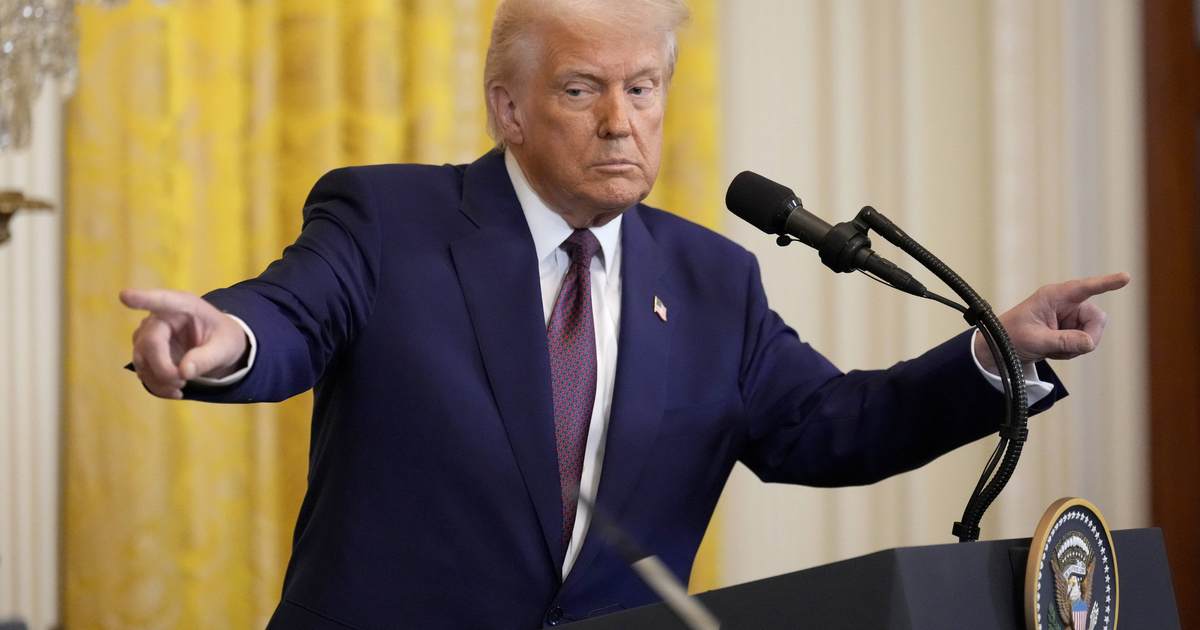
*TL;DR Trump unveiled sanctions targeting entities that process transit fees for ships crossing the Strait of Hormuz, a step he says will tighten economic pressure on Iran.
Context The Strait of Hormuz carries roughly a fifth of the world’s oil, making any financial or security disruption a global concern. U.S.‑Iran tensions have risen in recent years, with both sides deploying naval assets and issuing threats over shipping safety.
Key Facts - President Donald Trump announced that the United States will increase economic pressure on Iran by sanctioning payments linked to Strait of Hormuz transit. - The Treasury Department confirmed the upcoming measures will target networks that facilitate those transit payments, expanding the list of prohibited entities and individuals. - Iranian President Masoud Pezeshkian denounced the U.S. naval pressure and the new restrictions as “unjust,” reiterating Tehran’s opposition to Washington’s strategy.
What It Means The sanctions aim to cut a revenue stream Iran earns from fees paid by vessels passing the narrow waterway. By freezing assets and prohibiting U.S. persons from dealing with the identified networks, the Treasury hopes to raise the cost of compliance for shipping companies and force them to seek alternative routes or payment methods. Analysts warn that while the move could shrink Iran’s earnings by millions of dollars, it also risks escalating a volatile standoff in a region already prone to flashpoints.
For the shipping industry, the new rules may trigger higher insurance premiums and rerouting costs, especially for carriers that rely on the Hormuz corridor for oil and gas shipments. Global oil markets could feel pressure if the sanctions lead to delays or reduced flow through the strait.
Iran’s leadership is likely to seek diplomatic channels to contest the sanctions while maintaining a hardline stance against what it calls unlawful U.S. interference. The United States, meanwhile, will monitor compliance and may expand the sanctions list if networks adapt.
What to watch next Track Treasury’s official sanctions list, monitor Iranian diplomatic responses, and watch for any shifts in shipping patterns that could signal broader market impacts.
Continue reading
More in this thread
Trump Orders US Escort for Stranded Ships in Hormuz Strait Starting Monday
Nadia Okafor
Treasury Targets Iran’s Exchange Houses in Aggressive Sanctions Push
Nadia Okafor
Nigerian Forces Eliminate Nine Terrorists, Including Two Kingpins, in Katsina and Zamfara
Nadia Okafor
Conversation
Reader notes
Loading comments...