Trump Rejects Iran’s New Peace Offer, Cites Force or Deal Option
Trump says Iran's new peace proposal, delivered through Pakistan, falls short and warns of a force-or-deal choice, raising stakes for regional stability.
TL;DR
Trump dismissed Iran’s fresh peace proposal, handed to the United States through Pakistan, and warned that the United States could either strike Iran or negotiate a deal.
Iran transmitted a new peace proposal to Pakistan on Thursday night, asking Islamabad to forward it to Washington. The offer arrived after a stalled round of talks and a brief cease‑fire that has held for more than three weeks.
President Donald Trump told reporters the negotiations are at a standstill. He said his options are limited to “either blast them away or make a deal,” and that the Iranian demands include items he cannot accept. Trump did not detail which clauses he finds unacceptable.
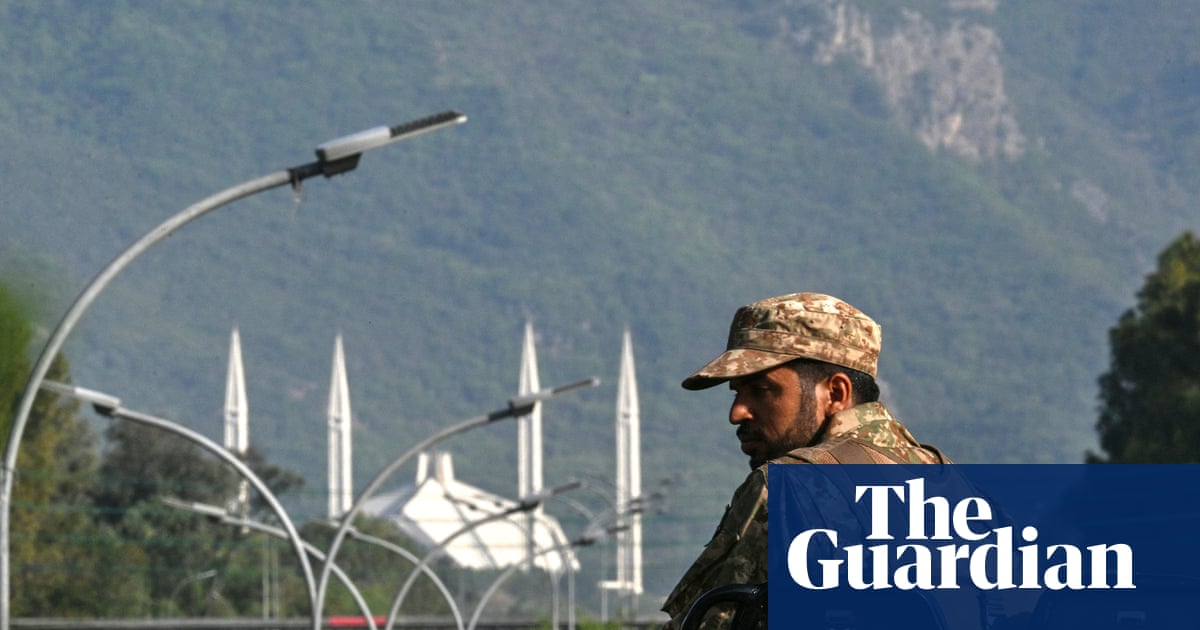
Pakistan’s foreign ministry confirmed receipt of the Iranian document and reiterated its role as the primary conduit for U.S.–Iran dialogue. Islamabad warned that the war has driven its monthly energy import bill to almost three times pre‑conflict levels, a strain that threatens regional stability and the global economy.
The United States has not publicly disclosed the contents of Iran’s latest offer. Earlier proposals asked for the reopening of the Strait of Hormuz—a vital oil shipping lane—while deferring resolution of Iran’s nuclear program. Washington has insisted on concrete limits on uranium enrichment, the process of increasing the concentration of uranium‑235 for potential weapons use.
Iranian officials argue the proposal reflects a long‑term strategy, hoping to secure a deal before President Trump’s summit with Chinese President Xi Jinping on 14‑15 May. Tehran also hinted at using fees on vessels transiting the Strait of Hormuz as leverage, a move the U.S. Treasury warned could trigger sanctions.
The diplomatic channel through Pakistan emerged after direct U.S.–Iran talks in Islamabad collapsed in April. Pakistani officials claim their back‑channel efforts helped extend the cease‑fire and keep communication lines open, but they acknowledge limited influence over U.S. policy.
What it means: Trump’s rejection narrows the path to de‑escalation, leaving a military option on the table and increasing pressure on Pakistan to persuade Tehran to modify its demands. The next week will test whether Iran will adjust its proposal or whether the United States will move toward renewed hostilities.
What to watch next: Statements from the White House on any change in posture, and any revised Iranian offer routed through Pakistan, will signal whether diplomatic momentum can be revived before the scheduled summit with China.
Continue reading
More in this thread
Pentagon Secures AI Deals with Seven Firms While Requesting $54 bn for Autonomous Weapons
Nadia Okafor
FG Allocates N250 Billion for Tertiary Hostels, PPP Model Draws N1bn Govt + N3bn Private per Unit
Nadia Okafor
Malema Condemns Xenophobic Attacks, Questions Job Creation
Nadia Okafor
Conversation
Reader notes
Loading comments...