Trump Rejects Iran’s Counter‑Proposal, Citing Unacceptable Terms as Ceasefire Wavers
Trump calls Iran's peace reply unacceptable; Netanyahu says war ends only when Iran's HEU is removed. Tensions rise over nuclear talks and Gulf ceasefire.
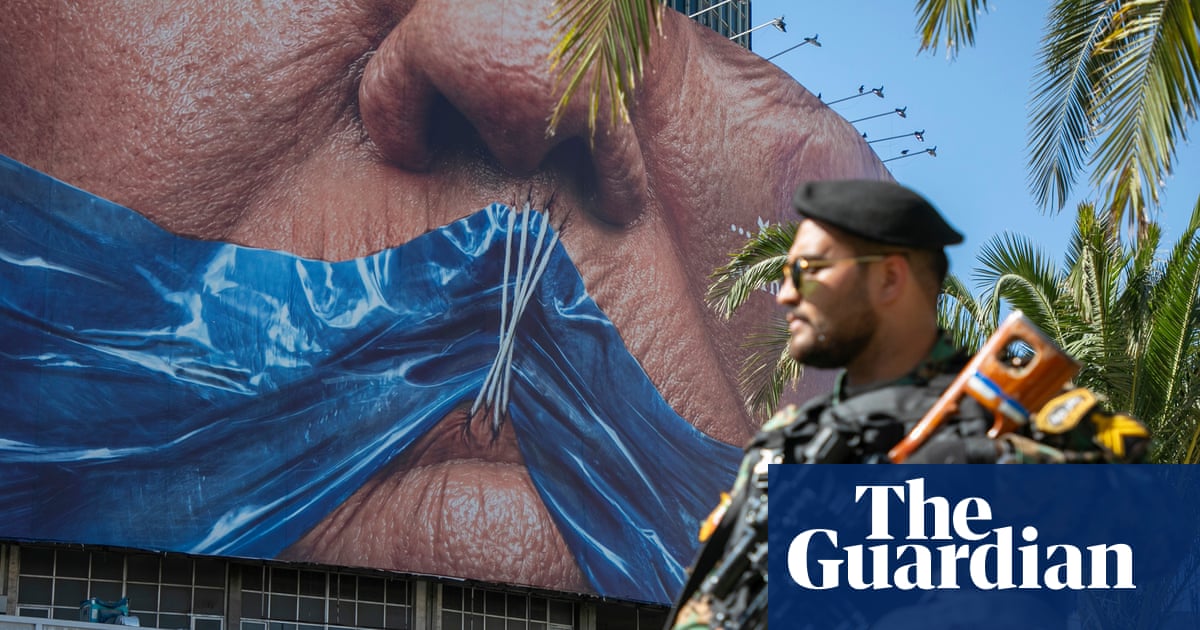
TL;DR
Trump slammed Iran’s counter‑proposal as “totally unacceptable,” and Israeli Prime Minister Benjamin Netanyahu warned the conflict persists until Iran’s highly enriched uranium is taken out.
Context A month‑old ceasefire in the Gulf region is showing signs of strain. Drone strikes have resumed, and diplomatic channels are under pressure as the United States, Israel, and Iran exchange hard‑line statements. The United States presented a 14‑point peace memorandum last week, offering to reopen the Strait of Hormuz and set a framework for nuclear talks.
Key Facts - Donald Trump read Iran’s response, delivered through Pakistani mediators, and declared it “totally unacceptable.” - Iran’s counter‑proposal demands lifting U.S. sanctions, ending the naval blockade of the Strait of Hormuz, and an immediate cease‑fire with guarantees against future attacks. - The U.S. plan calls for a 20‑year moratorium on Iranian enrichment, transfer of Iran’s 440 kg stockpile of highly enriched uranium (HEU) – 60 % purity, near weapons‑grade – and dismantling of enrichment sites. - Iran’s reply suggests a shorter moratorium, partial export and dilution of the HEU, and refuses facility dismantlement. - Israeli Prime Minister Benjamin Netanyahu told CBS’s *60 Minutes* the war is not over until the HEU is removed and enrichment sites are dismantled, urging “you go in and you take it out.” - Trump later said satellite surveillance via the Space Force monitors the HEU cache, and warned any attempt to approach it would be met with force. - Russian President Vladimir Putin kept Moscow’s offer to take the enriched uranium on the table as a negotiation lever.
What It Means Trump’s outright rejection narrows diplomatic space, pushing the United States toward a tougher stance that could include renewed strikes. Netanyahu’s insistence on physically removing the HEU raises the prospect of a high‑risk operation, which U.S. officials have said would require substantial troop deployments and weeks of planning. Iran’s readiness to protect the material, as voiced by a senior military spokesperson, adds another layer of complexity. Meanwhile, Russia’s willingness to handle the uranium offers an alternative pathway, though it may clash with U.S. strategic interests.
The next week will test whether diplomatic channels can bridge the gap before any further military escalation, and whether the upcoming U.S. visit to China will produce a coordinated push to reopen the Strait of Hormuz.
*Watch for*: developments in the U.S.–Iran nuclear talks, any shift in Russian mediation, and the impact of the upcoming China visit on cease‑fire negotiations.
Continue reading
More in this thread
Greece Suspends Biometric Checks for UK Travelers This Summer
Nadia Okafor
President Paudel to Unveil Policy, Program and Eight Ordinances at Opening of Nepal’s Budget Session
Nadia Okafor
Reform Leads Vote Share as Labour Loses Half Its Defended Seats and Turnout Jumps to 42%
Nadia Okafor
Conversation
Reader notes
Loading comments...