Trump Rejects Iran's 14‑Point Peace Offer, Cites Insufficient Punishment
Trump says Iran hasn't paid a big enough price for its actions, dismisses a new 14‑point proposal and hints at possible military action.
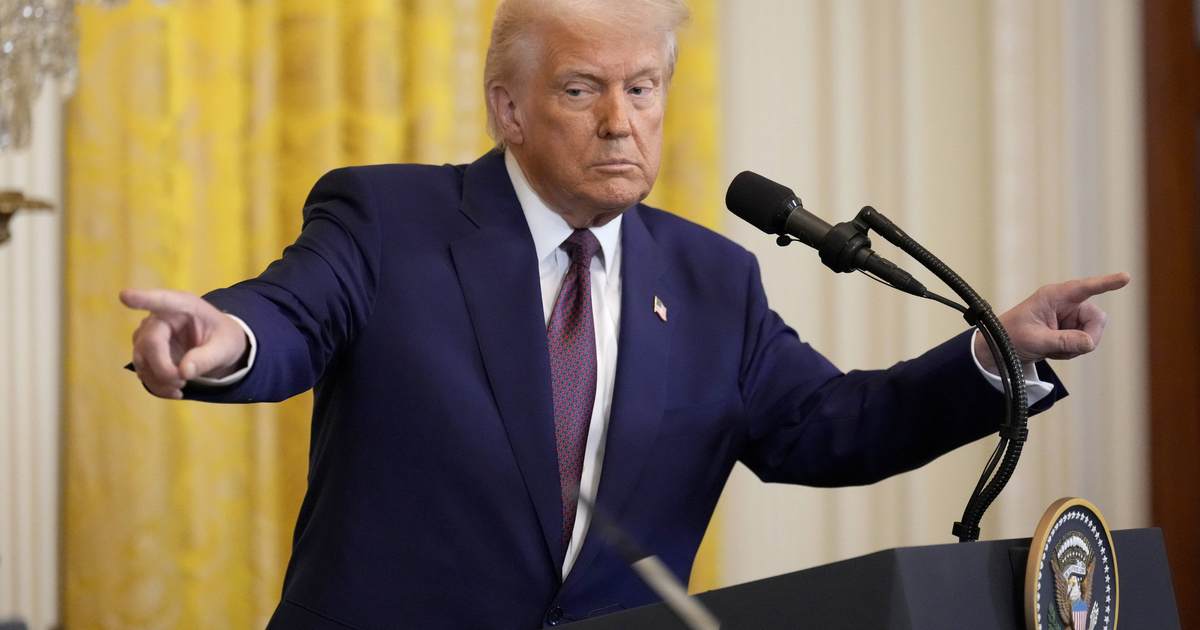
*TL;DR – Trump dismissed Iran's new 14‑point peace proposal, saying Tehran has not yet paid a sufficient price for 47 years of aggression, and warned that further military action remains on the table.*
Context Former President Donald Trump addressed reporters on Saturday before boarding Air Force One, noting that Iran had sent a fresh peace plan through Pakistan. He said he would review the document later but expressed doubt it could be accepted because Iran had not “paid a big enough price” for its conduct over nearly five decades.
Key Facts - Iran’s Revolutionary Guard‑linked outlets Tasnim and Fars reported that Tehran delivered a 14‑point proposal to the United States via Pakistan. The plan calls for a U.S. troop pull‑back from Iranian borders, lifting the blockade of the Hormuz Strait, releasing frozen Iranian assets, compensation payments, sanction relief and an end to hostilities on all fronts, including Lebanon. It also suggests a new mechanism to manage the strategic strait. - Trump replied that “they’re going to give me the exact wording now” and later posted on social media that he could not imagine the offer being acceptable while Iran remains unpunished for “what they have done to Humanity, and the World, over the last 47 years.” - The former president added that new military action “is a possibility that could happen, certainly” if Iran “misbehaves.” - The United States has warned shipping firms that paying Iran for safe passage through Hormuz could trigger sanctions, extending the pressure on Tehran’s control of the oil‑rich waterway. - Oil prices sit roughly 50 % above pre‑war levels, reflecting the market’s response to the ongoing conflict and the strait’s bottleneck. - Iran’s deputy foreign minister Kazem Gharibabadi told diplomats the “ball is in the United States’ court” to choose diplomacy or continued confrontation, stating Tehran is prepared for either outcome.
What It Means Trump’s outright rejection signals that the United States is unlikely to engage with Tehran’s diplomatic overture unless it sees a tangible shift in Iranian behavior. The emphasis on “price” underscores a strategy that ties any settlement to measurable penalties, such as continued sanctions or military pressure. With oil prices soaring and global supply chains strained, the stakes for both sides remain high. The next diplomatic move will likely come from Washington’s current administration, which must balance the demand for a nuclear‑non‑proliferation guarantee with the economic fallout of a prolonged standoff.
What to watch next: Whether the U.S. government will issue a formal response to the 14‑point plan, and how Iran’s control of the Hormuz Strait will influence oil markets and any potential escalation.
Continue reading
More in this thread
Conversation
Reader notes
Loading comments...