Trump Mobile Confirms Customer Data Exposed via Third‑Party Provider
Trump Mobile confirmed that customer names, emails, addresses and order IDs were exposed online through a misconfigured third‑party service, with no financial data leaked.
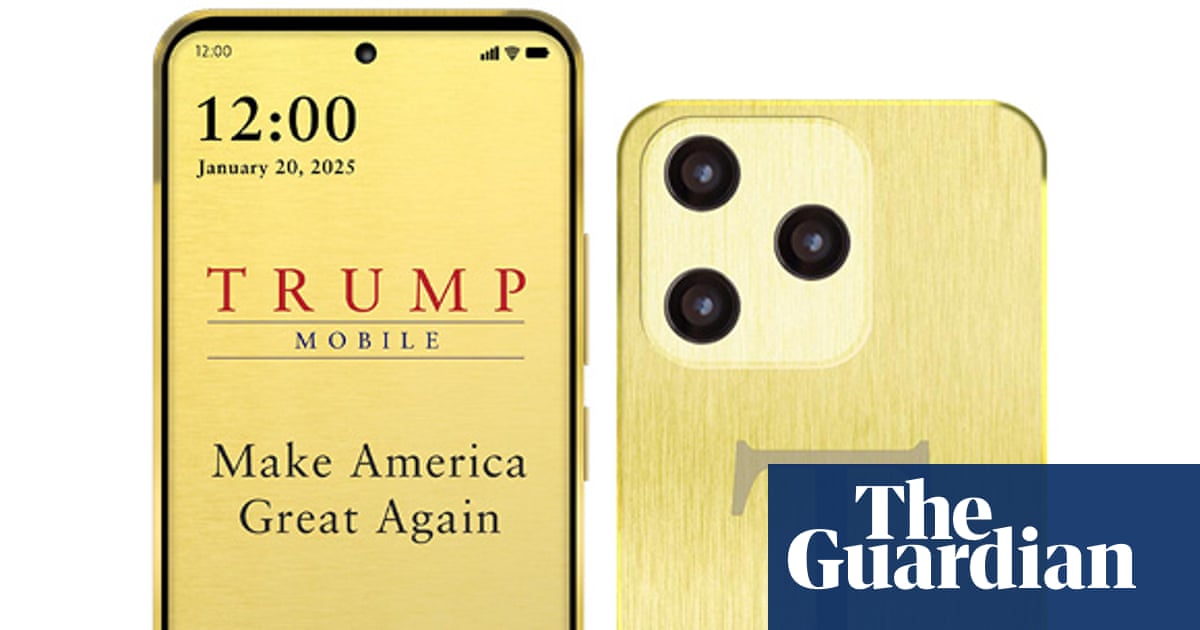
TL;DR: Trump Mobile admitted that names, emails, addresses, phone numbers and order IDs were accessible online due to a misconfigured third‑party service; the company says no financial or content data was taken and is reviewing whether to notify affected users.
Context: Earlier this week, security researchers and YouTubers Coffeezilla and penguinz0 reported that Trump Mobile customer details appeared on public web pages. The company confirmed the exposure after internal checks and said the leak originated from a vendor that supports certain Trump Mobile operations.
Key Facts: Trump Mobile spokesperson Chris Walker stated the firm is investigating and has found no evidence that financial information or message content was compromised. Walker said the exposed data included names, email addresses, mailing addresses, cell phone numbers and order identifiers. He attributed the leak to an unnamed third‑party provider and noted there was no breach of Trump Mobile’s own network or systems.
What It Means: The incident highlights risks associated with third‑party services that store or process personal data without adequate access controls. While financial data appears safe, the exposed identifiers could enable phishing or social‑engineering attacks against affected customers. Regulators may view the failure to secure vendor‑shared data as a violation of privacy obligations.
Mitigations: Organizations should inventory all third‑party platforms that handle personal information and enforce least‑privilege access. Implement continuous monitoring for exposed data using search engine alerts or data loss prevention tools. Apply the principle of data minimization—share only the fields necessary for a service to function. Review vendor contracts for security requirements and require regular penetration testing or SOC 2 reports. For detection, watch for MITRE ATT&CK technique T1567.002 (Exfiltration Over Web Services) and apply CWE‑200 (Information Exposure) guidance.
Watch for Trump Mobile’s decision on customer notifications and any further disclosures about the third‑party provider’s security practices.
Continue reading
More in this thread
Trump Mobile Confirms Customer Data Exposed via Third‑Party Platform
Peter Olaleru
Radiology Associates of Richmond Breach Exposes 266,183 Patients, Triggers Class Action Inquiry
Peter Olaleru
Charter Confirms Cyber Incident as ShinyHunters Threatens Leak of 42 Million Customer Records
Peter Olaleru
Conversation
Reader notes
Loading comments...