Trump Extends Iran Ceasefire Amid Port Blockade as Lebanon Death Toll Tops 2,450
US President Trump prolongs the Iran ceasefire amidst continued port blockades, demanding proposals for talks. Meanwhile, Israeli attacks in Lebanon lead to 2,454 deaths.
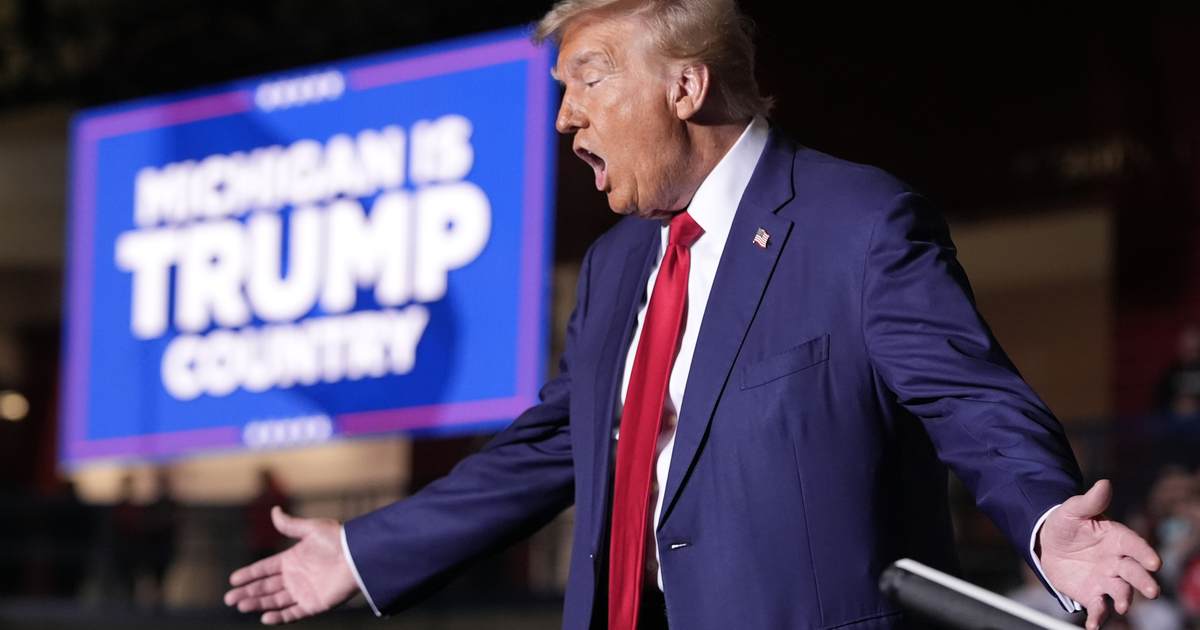
President Trump has extended the ceasefire with Iran, maintaining a blockade on Iranian ports until Tehran submits a proposal for talks. This development coincides with a rising death toll in Lebanon from Israeli attacks, now exceeding 2,450.
US President Donald Trump announced an extension to the existing ceasefire with Iran, as of April 22, 2026. This decision comes as the United States continues to blockade Iranian ports, a measure in place since the conflict began. The extension specifies that the ceasefire remains in effect until Tehran submits a formal proposal for diplomatic discussions, aiming to resolve the ongoing impasse.
Iran’s Foreign Minister Abbas Araghchi has publicly labeled the port blockade an "act of war" and a direct violation of the ceasefire terms. He also stated that Tehran possesses the means to "resist bullying," indicating a firm stance against the US demands and actions. This diplomatic exchange highlights the significant tensions underlying the extended ceasefire.
The extension of the ceasefire occurs against a backdrop of escalating conflict in the broader region. Lebanon’s disaster management unit recently reported a significant increase in casualties resulting from Israeli military operations. Israeli attacks in Lebanon have now resulted in 2,454 deaths, a stark figure reflecting weeks of sustained engagement.
Additionally, these ongoing attacks have left 7,658 people injured across Lebanon, straining local medical and relief efforts. President Trump, addressing the difficult nature of the stalled talks, indicated that these complex "discussions will be concluded, one way or the other," signaling an intent for a decisive resolution to the current diplomatic uncertainty surrounding Iran.
The prolonged ceasefire and continued port blockade maintain economic and diplomatic pressure on Iran to engage in negotiations under US terms. Iran's immediate and strong opposition, viewing the blockade as an aggressive act, suggests a potential for further escalation if a diplomatic breakthrough does not materialize. The concurrent and severe humanitarian crisis unfolding in Lebanon, marked by its rising death and injury tolls, underscores the broader regional instability that significantly influences these high-stakes diplomatic maneuvers between the US and Iran. This situation creates a tense standoff, with both sides asserting firm positions on the pathway to a potential resolution, complicating any immediate de-escalation.
Observers will now closely watch for any concrete movement from Tehran regarding a formal proposal for talks. Similarly, global attention will focus on any potential shift in the US stance regarding the persistent port blockade and its impact on regional stability.
Continue reading
More in this thread
Beshear Signs $52M Rural Water Bill, Directing Nearly Half to Martin County
Nadia Okafor
Alaska’s age‑of‑consent hike advances as part of 10‑bill crime package
Nadia Okafor
Russian Police Seize Thousands of Books from Eksmo in LGBTQ Propaganda Crackdown
Nadia Okafor
Conversation
Reader notes
Loading comments...