Trump Counterterrorism Memo Draws Fire for Vague Threat List and Offensive Language
Trump's new counterterrorism strategy faces criticism for vague plans, targeting left-wing groups, and offensive language toward critics.
TL;DR
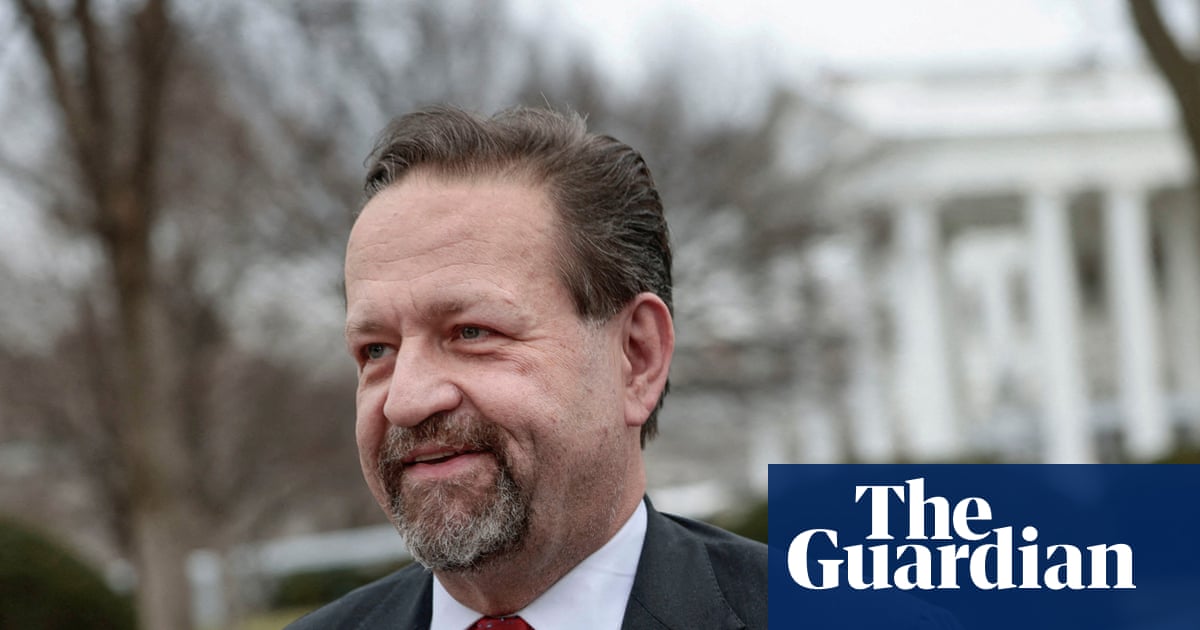
The Trump administration’s new counterterrorism memo, authored by Sebastian Gorka, provokes outrage for its vague action plan, selective threat focus and a disparaging comment calling critics “testicularly challenged.”
Context During a press call, Gorka presented a 16‑page document that claims a “complete revision” of how the United States defeats threats, emphasizing national sovereignty and the destruction of groups that harm American interests. The memo was released amid heightened political tension over the administration’s stance on Iran and domestic security.
Key Facts - The strategy lists three priority categories: narcoterrorist cartels, legacy Islamist terrorists, and violent left‑wing extremists such as anarchists and anti‑fascists. It omits any reference to far‑right or white‑supremacist groups, despite their involvement in recent domestic attacks. - The document labels “radically pro‑transgender” and “anti‑American” ideology as targets for “neutralization,” and accuses Europe of becoming an “incubator of terror threats” because of immigration. - Critics describe the memo as “largely slop” and “utterly unhinged,” arguing that aggressive rhetoric masks a lack of concrete operational steps. Analysts note the language mirrors partisan attacks on the Biden administration and on transgender communities. - Nadia Ben‑Youssef of the Center for Constitutional Rights says the plan openly embraces state violence, normalizing illegal strikes, renditions, and digital surveillance. She warns it could criminalize dissent and marginalize migrants, Muslims and transgender people. - Chip Gibbons of Defending Rights & Dissent points out that the memo builds on decades‑long U.S. counterterrorism practices, but expands them with an extremist worldview that undermines the rule of law.
What It Means The memo’s focus on left‑wing groups and its exclusion of far‑right actors raise concerns about selective enforcement and potential abuse of terrorism statutes. By framing political opposition as an existential threat, the strategy could justify expanded surveillance and military tools against domestic activists. International allies may view the accusations against Europe as diplomatic friction, while civil‑rights groups anticipate legal challenges over constitutional violations.
Looking Ahead Watch for congressional hearings on the memo’s legality and any executive orders that translate its language into policy actions.
Continue reading
More in this thread
Conversation
Reader notes
Loading comments...