Trump Cancels Iran Peace Envoy Trip to Pakistan, Says War Not Imminent
President Trump halts US envoy travel for Iran peace talks in Pakistan, clarifying the move does not signal immediate conflict, despite ongoing regional tensions.
TL;DR
President Donald Trump cancelled US peace envoy travel to Pakistan for Iran talks, stating further diplomatic flights were unnecessary. He clarified this action does not signal an immediate return to conflict, even as Iran's foreign minister wrapped up a "fruitful" visit to Pakistan.
President Donald Trump has halted planned US envoy travel to Pakistan for peace talks with Iranian officials. This decision follows weeks of international diplomatic efforts aimed at de-escalating tensions between the nations. The White House had previously indicated US emissaries were set to travel to Islamabad for an in-person dialogue, hoping to advance negotiations toward a lasting agreement.
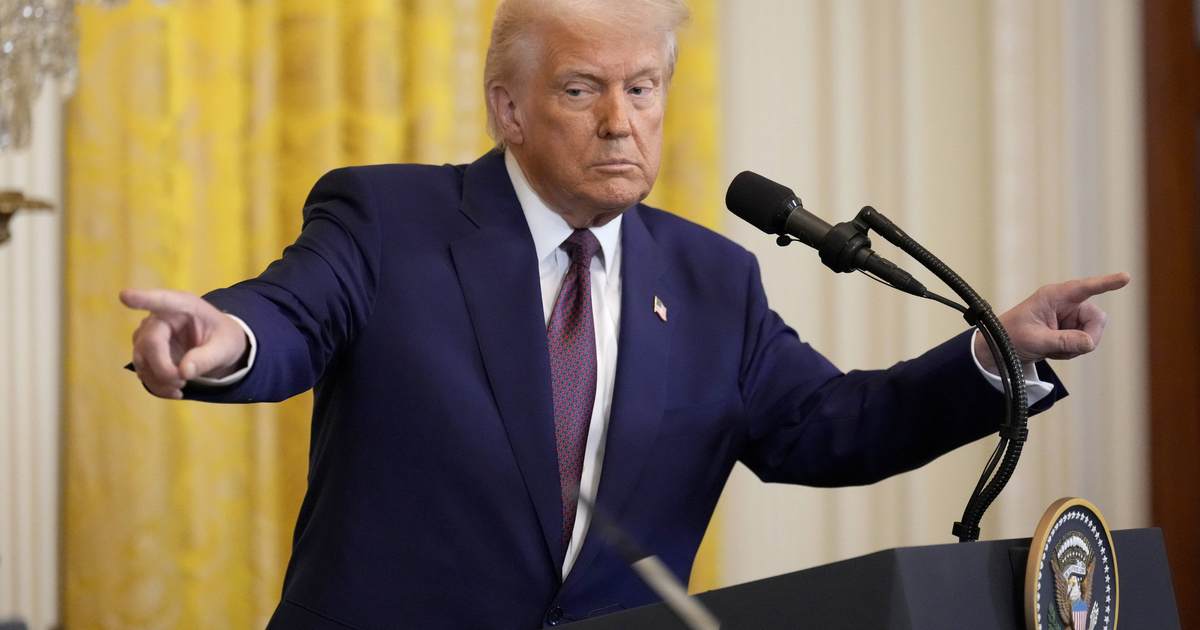
Trump confirmed the cancellation, telling his team that additional 18-hour flights for talks were unnecessary. He stated, "We have all the cards. They can call us anytime they want, but you’re not going to be making any more 18-hour flights to sit around talking about nothing." When asked if this meant a resumption of hostilities, Trump clarified, "No. It doesn’t mean that. We haven’t thought about it yet."
Concurrently, Iranian Foreign Minister Abbas Araghchi concluded his own diplomatic visit to Islamabad. Araghchi described his Pakistan trip as "very fruitful," affirming he shared Iran's proposal for a workable framework to end the war. His visit involved meetings with key Pakistani figures, including military chief Asim Munir and Prime Minister Shehbaz Sharif, critical in the ongoing mediation efforts.
Meanwhile, Iran's powerful Revolutionary Guards reinforced their strategic stance on regional control. They affirmed that controlling the Strait of Hormuz, a vital conduit for global oil and gas supplies, and maintaining its deterrent effect over the US and regional allies, is Iran's definitive strategy. This position signals continued assertions of influence over the critical waterway.
The halt in US envoy travel indicates a shift in Washington's immediate diplomatic approach to Tehran. It suggests a temporary pause in direct engagement, favoring a posture of waiting for Iranian initiative. This development occurs amid an existing US naval blockade on Iranian ports, a measure Iran has cited as an impediment to previous talks.
Iran's consistent stance on the Strait of Hormuz further complicates de-escalation efforts. The waterway remains a flashpoint, with European leaders calling for its immediate reopening without restrictions. The interplay of these factors leaves the immediate future of US-Iran relations in an uncertain state.
The global community will closely monitor subsequent actions and statements from both Washington and Tehran. The possibility of renewed negotiations and the resolution of regional tensions hinges on future diplomatic overtures and military postures.
Continue reading
More in this thread
Seven Killed in Cauca Highway Blast as Officials Demand Decisive Government Action
Nadia Okafor
SC Senate Passes $15B Budget, Boosts Senior Tax Relief & School Safety
Nadia Okafor
Rebel Wilson Faces Lawsuit Over Alleged Hack and Defamation by Co-Star
Nadia Okafor
Conversation
Reader notes
Loading comments...