Trump Cancels Envoy Trip to Pakistan Amid Iran Ceasefire Talks and Rising Oil Prices
President Trump cancelled a US envoy trip to Pakistan for Iran ceasefire talks. This follows Iran's foreign minister's departure, with oil prices 50% above pre-war levels.
TL;DR
President Trump cancelled a planned US envoy trip to Pakistan for Iran ceasefire negotiations following Iran's foreign minister's departure from Islamabad, asserting Iran can initiate contact when ready. This decision unfolds as global oil prices persist at significantly elevated levels.
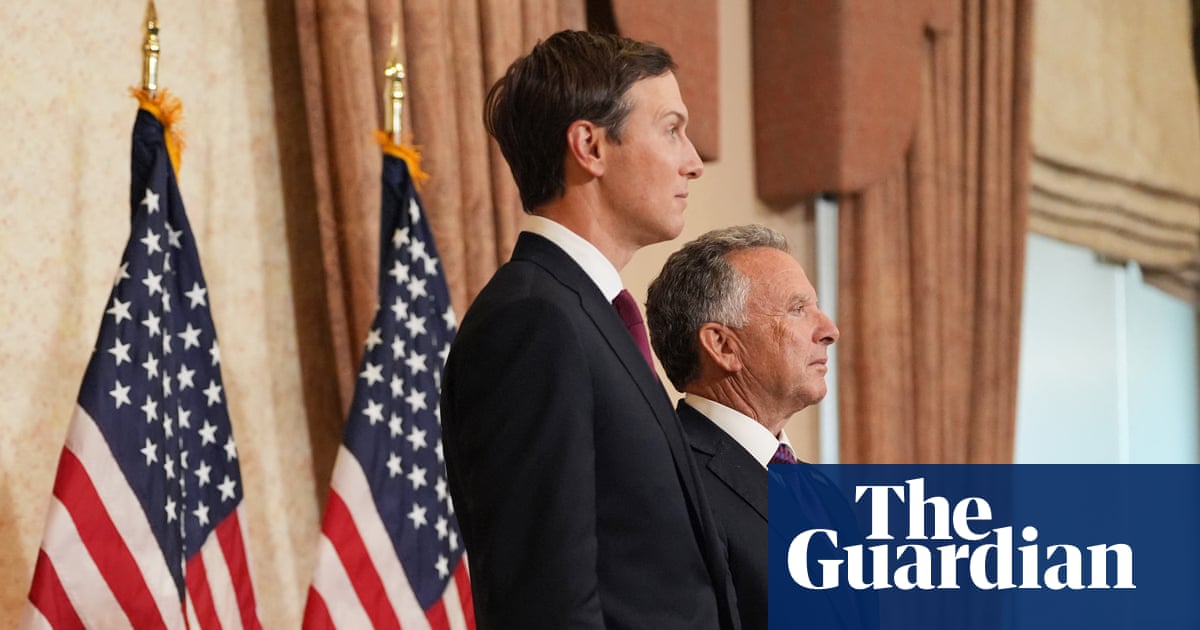
Context The White House had slated US envoys, including Steve Witkoff and Jared Kushner, for travel to Islamabad. Their mission aimed to continue efforts in reviving ceasefire negotiations with Iran, a diplomatic initiative actively supported by Pakistan. Pakistan had been attempting to bring the US and Iran back to the negotiating table following Trump’s announcement of an indefinite ceasefire extension, honoring Islamabad’s request for more diplomatic outreach. Previous indirect talks in Geneva, involving US and Iranian representatives, yielded no agreement, preceding the outbreak of conflict. The ongoing hostilities have significantly disrupted global maritime trade. This particularly affects the Strait of Hormuz, a critical choke point through which approximately one-fifth of the world's oil supply typically passes.
Key Facts President Trump ordered US envoys to cancel their planned trip to Pakistan for Iran ceasefire negotiations. This directive came shortly after Iran's foreign minister concluded his discussions and departed Islamabad, where he had met with Pakistani military and political leaders regarding Iran's negotiation red lines. Following the cancellation, Trump stated Iran can contact the United States whenever they wish to engage in dialogue. Meanwhile, Brent crude oil prices, a global benchmark, remain about 50% above pre-war levels. This persistent elevation directly links to Iran's operational control over the Strait of Hormuz, impacting international energy markets and global supply chains.
What It Means This cancellation by President Trump immediately halts a direct, Pakistan-mediated diplomatic path between Washington and Tehran, shifting the onus for renewed contact to Iran. The move underscores a direct approach from the US, bypassing third-party facilitators for now. This development leaves open critical questions about the next steps in de-escalation, even as significant economic pressures continue worldwide. The sustained high oil prices, directly attributable to the situation in the Strait of Hormuz, underscore the tangible global impact of geopolitical tensions. Observers will now watch for any direct communication from Iran to the US or any shifts in Iran’s control over the vital shipping lane, which continues to influence global economic stability.
Continue reading
More in this thread
Seven Killed, 20 Wounded in Cauca Highway Blast as Colombia Leaders Demand Action
Nadia Okafor
Seven Killed in Cauca Highway Blast as Officials Demand Decisive Government Action
Nadia Okafor
SC Senate Passes $15B Budget, Boosts Senior Tax Relief & School Safety
Nadia Okafor
Conversation
Reader notes
Loading comments...