Trump Heads to Beijing for Two‑Day Summit Amid Boeing Deal Talks
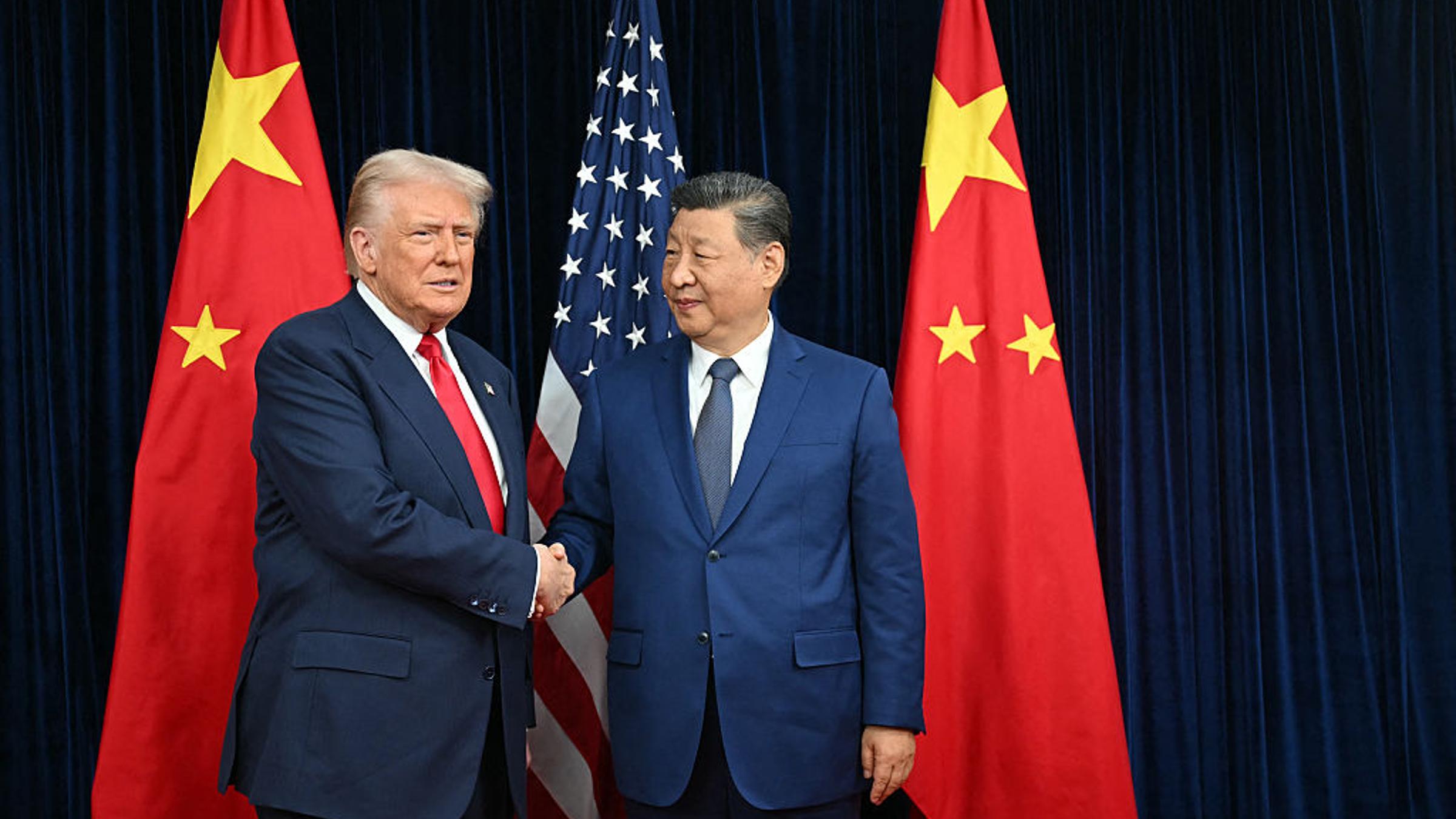
Donald Trump heads to Beijing for a two‑day summit with Xi Jinping as China negotiates a potential Boeing order of up to 500 jets.
TL;DR
Donald Trump arrives in Beijing Wednesday for a two‑day summit with Xi Jinping as China negotiates a Boeing deal that could include up to 500 737 Max jets.
The United States’ next president‑to‑China visit in nearly a decade begins Wednesday. Trump’s itinerary follows a delayed schedule caused by recent U.S. actions in Iran, trimming the trip to 48 hours. The visit marks the first time a U.S. president has set foot in Beijing since Trump’s own 2017 state‑visit‑plus, which featured a private tour of the Forbidden City and a Peking opera performance.
Key facts: - Trump will meet Xi Jinping in Beijing on Wednesday, the first such summit in nine years. - China is in talks with Boeing for a potential order of as many as 500 737 Max narrow‑body jets and additional wide‑body aircraft, the largest U.S. aircraft purchase from China since 2017. - Suzanne Maloney, vice‑president of foreign policy at the Brookings Institution, called the summit “a striking moment” given the United States’ recent strategic setback in the Middle East. - The agenda will likely cover trade, the conflict in Tehran, and Taiwan, while both sides face deep mutual distrust on economic and security issues. - Senior executives from Nvidia, Apple, Exxon, Boeing and Citigroup are expected to accompany the president, underscoring the administration’s push for tangible business wins before the November midterms.
What it means: The summit arrives at a crossroads of diplomatic optics and commercial ambition. Beijing’s pursuit of a massive Boeing order could serve as a diplomatic lever, offering a high‑profile victory for both leaders while testing U.S. leverage after recent military setbacks. The deal would revive China’s appetite for U.S. aerospace technology, a sector strained by previous export controls and rare‑earth restrictions.
From a strategic standpoint, the meeting underscores a shift from the overt trade war of the past decade to a more nuanced engagement focused on selective economic cooperation. Yet analysts note that underlying tensions—particularly over Taiwan and military‑to‑military relations—remain pronounced. The presence of top corporate figures suggests the administration hopes to showcase concrete economic benefits to domestic audiences, counterbalancing criticism of the president’s foreign policy.
The summit’s limited duration and the backdrop of heightened U.S.–China rivalry mean that any breakthroughs will be closely scrutinized. Observers will watch for language on trade truce extensions, commitments on U.S. agricultural exports, and the final shape of the Boeing negotiations.
Looking ahead, the next few days will reveal whether the summit can translate diplomatic ceremony into measurable trade outcomes, and how the Boeing talks will influence broader U.S.–China relations.
Continue reading
More in this thread
Massachusetts Senate Passes Bill Banning ICE Arrests at Schools and Courthouses
Nadia Okafor
Putin Says Ukraine War Nearing End, Demands Pre‑Set Peace Terms
Nadia Okafor
Putin Says War Is Nearing End as Ukraine Records New Casualties During U.S.-Backed Ceasefire
Nadia Okafor
Conversation
Reader notes
Loading comments...