Trump Announces Near‑Final US‑Iran Deal to Reopen Hormuz Strait
President Trump says a US‑Iran agreement is largely negotiated and will soon reopen the Strait of Hormuz, with Pakistan hinting imminent talks.
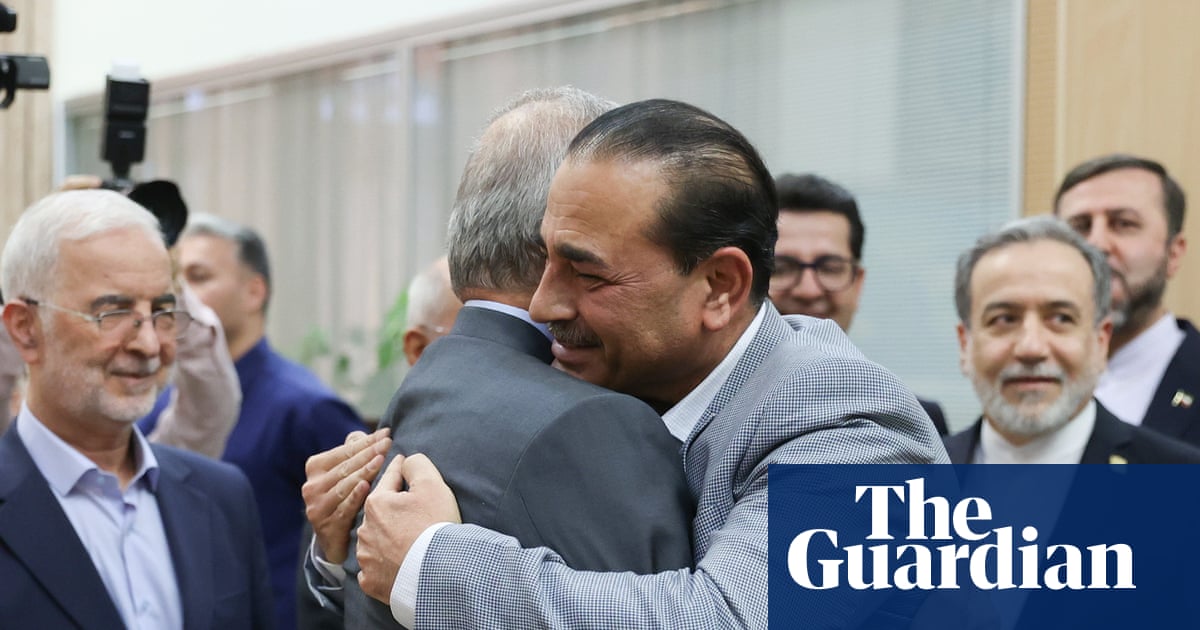
*TL;DR: President Trump says a US‑Iran agreement is largely negotiated and will soon be announced, promising to reopen the Strait of Hormuz; Pakistan’s prime minister says the next US‑Iran round will happen very soon.
Context The United States, Iran and several regional powers have been in indirect talks for months to defuse tensions that have threatened global oil shipments. The Strait of Hormuz, a narrow waterway through which roughly a fifth of the world’s petroleum passes, has been partially closed by Iranian forces in response to sanctions and diplomatic pressure. Reopening the passage would ease shipping costs and reduce the risk of a broader conflict.
Key Facts - President Donald Trump posted that “an agreement has been largely negotiated, subject to finalization” among the United States, Iran and regional stakeholders. He added that the deal, which includes reopening the Strait of Hormuz, will be announced shortly. - The proposed arrangement calls for Iran to lift restrictions on commercial vessels while the United States would suspend certain sanctions, creating a reciprocal framework aimed at stabilizing the region. - Pakistani Prime Minister Shehbaz Sharif announced that the next round of US‑Iran talks will occur “very soon,” following what he described as “highly productive” discussions between Pakistan and Iranian officials in Tehran. - No official timetable has been released, but both the White House and Tehran’s foreign ministry have signaled readiness to move from negotiation to implementation.
What It Means If finalized, the deal could restore the flow of oil through the Hormuz corridor, lowering freight rates and curbing price spikes that have affected consumers worldwide. A de‑escalation would also reduce the likelihood of a military clash that could draw in other regional actors. However, the agreement’s durability will depend on verification mechanisms and the willingness of hard‑line factions in both Washington and Tehran to uphold their commitments.
The next steps will involve drafting the final text, securing ratification from participating governments, and establishing monitoring protocols. Observers will watch for any shifts in Iranian naval activity and U.S. sanctions policy as indicators of progress. The coming weeks will reveal whether the announced momentum translates into a binding accord that reshapes Middle‑East security.
*Watch for the official announcement and the details of the verification regime that will determine the deal’s longevity.*
Continue reading
More in this thread
Trump Says Iran Ceasefire Deal Near Completion, 60‑Day Halt and Hormuz Opening Planned
Nadia Okafor
Wadada Secures APC Nasarawa Ticket with 195,285 Votes, Liman Calls for Peace
Nadia Okafor
Shehbaz Sharif’s China Trip Signals CPEC 2.0 Shift to Industry and Innovation
Nadia Okafor
Conversation
Reader notes
Loading comments...