Tourism Boom in Western Sahara Reinforces Morocco’s Grip After UN Autonomy Vote
Tourist arrivals in Morocco‑controlled Western Sahara rose 50% since 2019, coinciding with UN support for Morocco's autonomy plan, tightening its grip on the disputed territory.
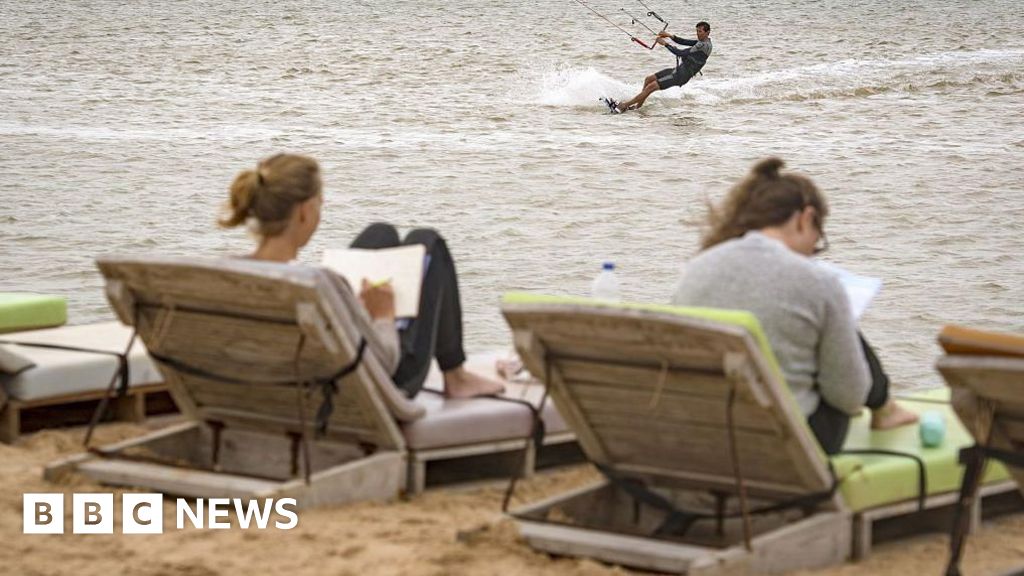
Two European holidaymakers lie on sunloungers in Western Sahara, while another kite surfs in the sea
TL;DR: Tourist arrivals in Morocco‑controlled Western Sahara have risen over 50% since 2019, while the UN Security Council backs Morocco’s autonomy proposal, tightening the territory’s de facto integration.
Context Western Sahara, a United Nations‑designated non‑self‑governing territory, remains the world’s longest unresolved colonial dispute. Morocco administers roughly 80% of the area, branding it as its “southern provinces.” International law still regards the region as occupied, and the Sahrawi people have never voted on self‑determination.
Key Facts - The Moroccan Ministry of Tourism reports 743,133 arrivals in the Morocco‑controlled part of Western Sahara in 2025, up from 490,297 in 2019 – a rise of more than 50%. - Direct flights from Madrid, Paris and the Canary Islands, operated by Ryanair, Transavia France, Royal Air Maroc and Binter Canarias, have expanded the market. - The UN Security Council renewed its peacekeeping mission and endorsed Morocco’s autonomy plan, giving the proposal diplomatic weight. - Airlines and booking platforms list Western Sahara destinations as part of Morocco; campaign groups argue this misleads travelers and distorts international law. - Legal scholars warn that failure to label the territory correctly could trigger litigation under human‑rights, consumer‑protection and EU competition law.
What It Means The surge in visitors supplies revenue that bolsters Morocco’s infrastructure projects, from new resorts in Dakhla to upgraded airports. By promoting the region as a Moroccan holiday spot, the government normalises its claim and reduces the visibility of the dispute. The UN endorsement of the autonomy plan, while stopping short of recognizing sovereignty, provides a diplomatic shield that may encourage further investment.
Critics say the marketing strategy undermines the Sahrawi right to self‑determination and risks legal challenges for companies that ignore the territory’s distinct status. Booking sites claim to add advisory notices, but most still display the Moroccan label, limiting consumer awareness.
The tourism boom, coupled with the UN’s renewed peacekeeping mandate, suggests a gradual consolidation of Moroccan control. Watch for how international courts and EU regulators respond to corporate labeling practices as the dispute enters a new commercial phase.
Continue reading
More in this thread
Economists Back Labor’s Tax Overhaul, Warn Coalition’s Migration‑Housing Link Could Backfire
Nadia Okafor
US‑Iran Talks Target 60‑Day Truce to Reopen Hormuz Shipping Lane
Nadia Okafor
NANS Elects OAUSTECH Student Akinteye Babatunde as President After Peaceful Convention
Nadia Okafor
Conversation
Reader notes
Loading comments...