Tokyo Govt Urges Staff to Wear Shorts to Cut Energy Use Amid Middle East Oil Shock
Tokyo's government promotes casual office wear, including shorts, to cut energy consumption and reduce reliance on air conditioning amid Middle East oil market instability.
TL;DR
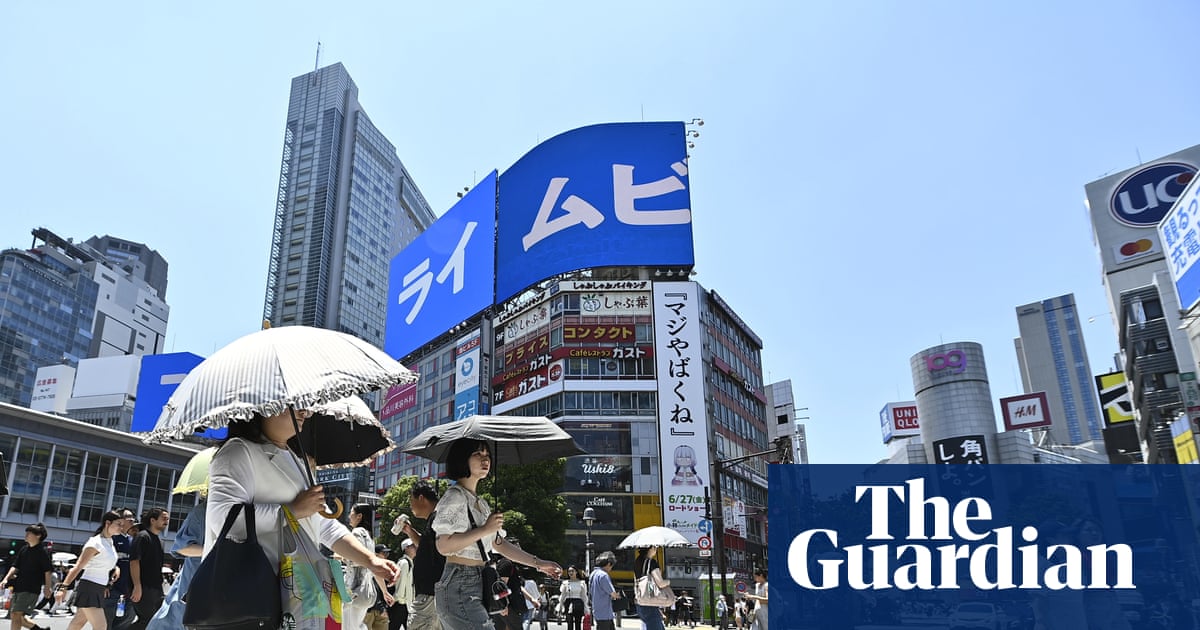
Tokyo's metropolitan government now urges employees to wear shorts and other casual attire to reduce energy use. This initiative directly addresses rising energy costs and concerns over oil supply, aiming to lessen air conditioning reliance amid global energy market pressures.
Context Japan faces intensifying energy security challenges, amplified by geopolitical tensions impacting Middle Eastern oil markets. The nation's energy strategy includes both diversifying supply and significantly reducing domestic consumption. This new dress code initiative expands on Japan's established "Cool Biz" campaign, a program initiated in 2005 that encourages lighter office wear to reduce reliance on air conditioning and cut carbon emissions. The current push reflects a heightened sense of urgency.
Key Facts The Tokyo metropolitan government is asking its staff to wear shorts instead of traditional suits to mitigate rising heat and energy expenses. This policy directly targets reducing the need for air conditioning in government buildings. Tokyo Governor Yuriko Koike explicitly stated that the government encourages comfortable options. These include polo shirts, T-shirts, sneakers, and shorts, with appropriate attire varying based on specific job responsibilities. Japan's vulnerability to global oil market fluctuations is profound. The country imports a significant 90% of its oil from the Middle East, with the vast majority of these crucial shipments transiting the Strait of Hormuz, a narrow yet vital international shipping lane.
What It Means This shift in dress code underscores Japan's pragmatic approach to energy conservation and its exposure to international market volatility. By embracing more casual professional attire, the Tokyo government seeks to achieve measurable reductions in building temperatures and overall electricity consumption. The initiative serves as a visible, actionable response to current energy pressures, highlighting Japan's fundamental dependence on stable global supply chains and its strategic efforts to adapt. Future developments will reveal if other Japanese regions or private sectors adopt similar energy-saving measures, particularly as summer temperatures climb and global oil markets remain unpredictable.
Continue reading
More in this thread
Guardian's Mandelson vetting probe fuels Labour leadership doubts
Nadia Okafor
Israel kills six Hezbollah fighters while Lebanon reports rising death toll despite ceasefire extension
Nadia Okafor
Israel Reports Killing Six Hezbollah Fighters in Southern Lebanon Amid Ceasefire Strain
Nadia Okafor
Conversation
Reader notes
Loading comments...