Teen’s Chickenpox Scars Trigger Sixth Known Case of Rare Eruptive Keloids
A 15-year-old developed rare eruptive keloids from chickenpox scars, marking the sixth documented case globally. This highlights an unusual post-infection complication.
TL;DR
A 15-year-old girl developed rare eruptive keloids from chickenpox scars, marking only the sixth documented case in medical literature. Her experience highlights an uncommon post-infection complication.
Context Chickenpox, caused by the varicella-zoster virus, typically resolves within weeks, often leaving temporary marks or shallow scars. However, in some instances, the body's healing process can lead to abnormal tissue growth. Keloids are firm, raised scars that extend beyond the original wound boundaries, unlike typical scars that remain confined. They can be itchy, painful, and permanent, posing both physical discomfort and cosmetic concerns.
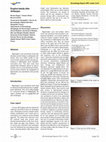
Key Facts The journal *Clinical Case Reports* published details this week on a 15-year-old patient who developed eruptive keloids following a chickenpox infection. These growths emerged abruptly from her healing chickenpox lesions in multiple body areas. The largest keloid, located on her chest, measured 4 centimeters by 4 centimeters.
This case is particularly noteworthy due to its extreme rarity. Scientific literature recorded only five prior instances of eruptive keloids occurring after chickenpox, making this the sixth documented case globally. Eruptive keloids describe the simultaneous appearance of these lesions, often without significant preceding trauma beyond the initial viral rash.
What It Means This individual case underscores that even common viral infections can, in rare circumstances, precipitate unusual and challenging dermatological outcomes. While the precise mechanisms triggering keloid formation remain an area of ongoing research, this presentation provides further data for understanding abnormal wound healing. The distinction between typical scarring and keloid development, which involves an overproduction of collagen, is critical for both patient management and scientific inquiry.
For patients and clinicians, this case serves as a reminder of the spectrum of post-infectious complications. The specific genetic predispositions or local inflammatory responses that lead to eruptive keloids after chickenpox are still unclear. Continued investigation into such rare phenomena can advance knowledge in dermatology and regenerative medicine. What specific pathways connect viral infections to aberrant scarring requires further targeted study.
Continue reading
More in this thread
WHO Approves First Malaria Treatment for Newborns Amid 282 Million Global Cases in 2024
Dr. Priya Sharma
Mother’s Assisted Death in Switzerland Highlights UK’s Stalled Assisted Dying Bill
Dr. Priya Sharma
Teen’s Chickenpox Scars Lead to Sixth Known Case of Eruptive Keloids
Dr. Priya Sharma
Conversation
Reader notes
Loading comments...