Tech Insiders Spotlight iPhone, Smartphone Saturation, and AI Chip Efficiency as Hallmarks of U.S. Innovation
Tech leaders name the iPhone, 90% smartphone ownership, and energy‑efficient AI chips as key American innovations shaping the future.
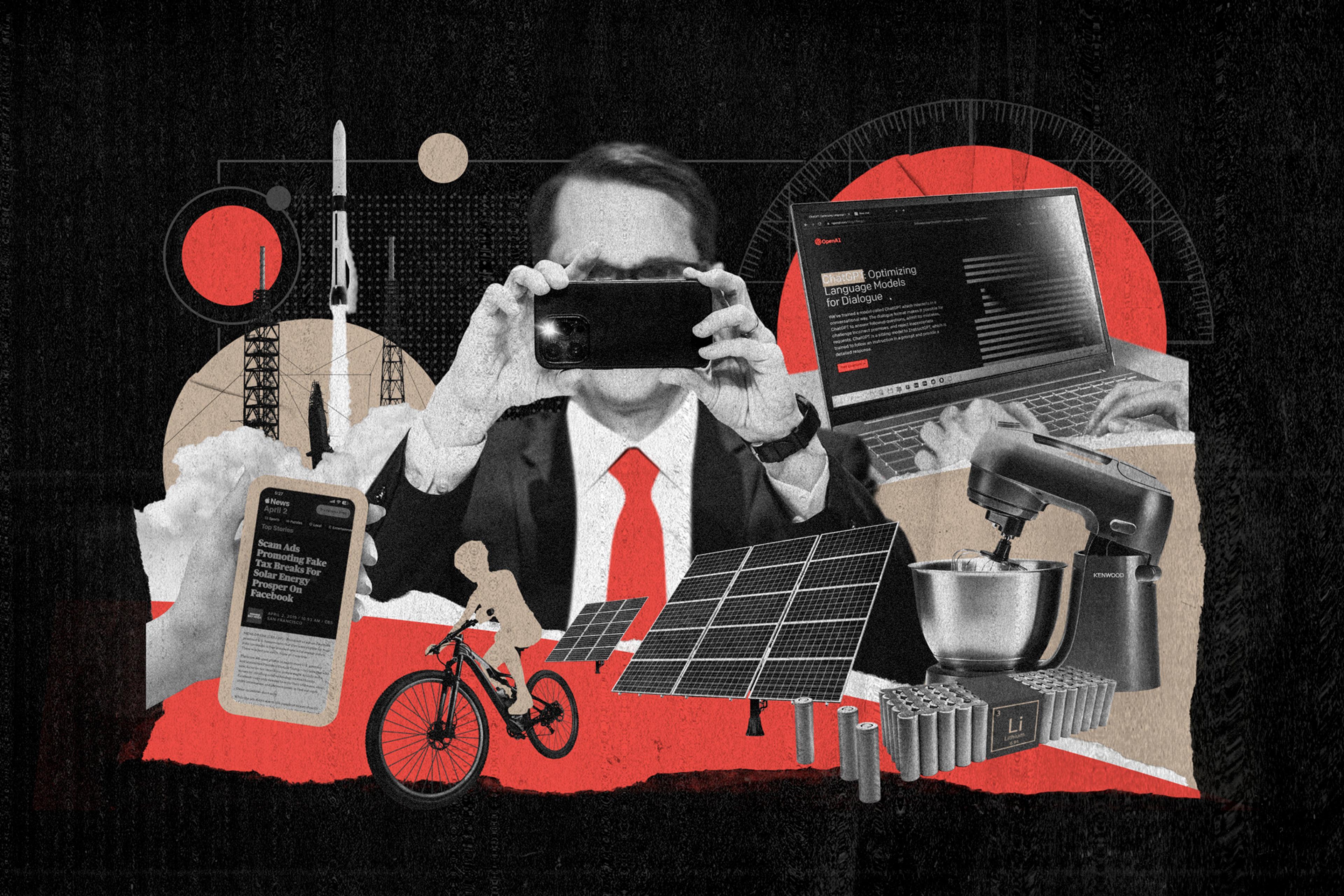
Photo-Illustration by Ryan Olbrysh for TIME
TL;DR
The iPhone’s 2007 debut, near‑universal smartphone use, and AI chips that out‑perform traditional processors on energy use are hailed by tech leaders as the United States’ most impactful recent innovations.
In a survey of 25 founders, inventors and thinkers conducted ahead of the nation’s 250th anniversary, participants were asked to name an innovation that captures America’s present trajectory. Responses coalesced around three themes: mobile computing, pervasive connectivity, and artificial‑intelligence hardware.
Tim Cook highlighted the iPhone, noting that its 2007 launch reshaped daily life as much as it did technology. The device proved that sophisticated computing could fit in a pocket, enabling users to stay healthy, run businesses and share ideas. Apple’s chief executive sees the phone as a platform that will keep expanding as AI adds new capabilities.
Data from the survey shows that more than 90 % of American adults now own a smartphone, confirming the iPhone’s ripple effect. This saturation means most citizens access the internet, digital services and emerging AI tools through handheld devices, reinforcing the phone’s role as a societal backbone.
On the hardware front, early artificial‑intelligence chips demonstrated 30‑ to 80‑fold higher energy efficiency than contemporary CPUs and GPUs when running AI workloads. This efficiency gap underscores why dedicated AI processors are becoming central to everything from data‑center servers to consumer gadgets.
What it means: The convergence of a pocket‑sized computer, universal connectivity and power‑saving AI hardware points to a future where personal devices act as gateways to increasingly intelligent services. Entrepreneurs like Whitney Wolfe Herd already use AI prototyping tools to accelerate product cycles, while experts such as Tracy Chou warn that AI agents will soon automate high‑skill tasks, reshaping the labor market.
Watch for the next wave of AI‑optimized chips entering smartphones and the rollout of software that leverages their efficiency to deliver real‑time, on‑device intelligence.
Continue reading
More in this thread
Conversation
Reader notes
Loading comments...