Tech Giants Use Cute Mascots to Rebuild Trust and Gain Market Share
Microsoft, Apple and Mozilla are rolling out cartoon characters to soften their image. Research shows a 37% market-share boost for brands that use mascots.
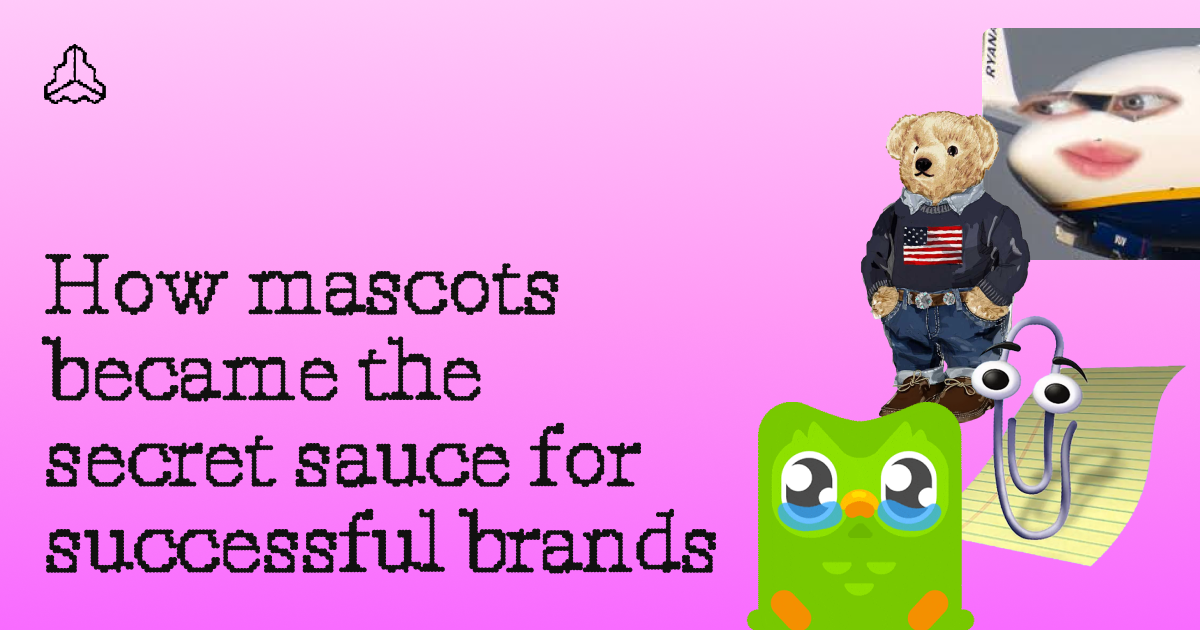
Tech giants are deploying cute mascots to soften their public image and boost market share, a tactic research links to a 37% lift in growth.
Microsoft recently introduced Mico, a blob-shaped avatar that users can enable alongside its Copilot AI assistant.
The company describes Mico as expressive, customizable and warm, saying it makes voice conversations with the AI feel more natural.
Apple's latest laptop ads feature a blue-white figure with an oversized head, unofficially dubbed Little Finder Guy.
The character appears in short social-media videos meant to highlight the device's portability and design.
Anthony Patterson, professor of marketing at Lancaster University Management School, says mascots give companies a voice, personality and face to counter a cold, impersonal image.
He notes that such characters can create lasting warm feelings when consumers encounter them early in life.
John Solomon, Mozilla's chief marketing officer, explains that turning the Firefox logo into a mascot named Kit helps the browser stand out from rivals' stark, similar logos.
He adds that the Kit character allows Mozilla to convey a friendlier, more approachable brand personality.
A 2019 study cited by industry analysts found that brands using mascots in marketing are 37% more likely to increase their market share than those that do not.
Supporters argue that the strategy humanizes technology firms that are often perceived as distant and intimidating.
By giving a brand a recognizable face, companies hope to build trust and loyalty among users who might otherwise feel alienated.
The approach also aims to differentiate products in crowded markets where logos alone can look alike.
Critics, however, warn that linking mascots with artificial intelligence could enable highly personalized persuasion tactics.
They note that such interactions may blur the line between friendly engagement and covert influence, raising ethical questions about consent and manipulation.
Watch for how regulators, consumer advocates and the companies themselves respond as these animated avatars become more interactive and data-driven.
Continue reading
More in this thread
Conversation
Reader notes
Loading comments...