Tech Giants Turn to Cute Mascots to Boost Market Share
Companies like Apple and Microsoft are introducing cute mascots to soften their image, citing research that shows a 37% higher chance of market‑share growth and Duolingo’s owl driving over 20 million followers.
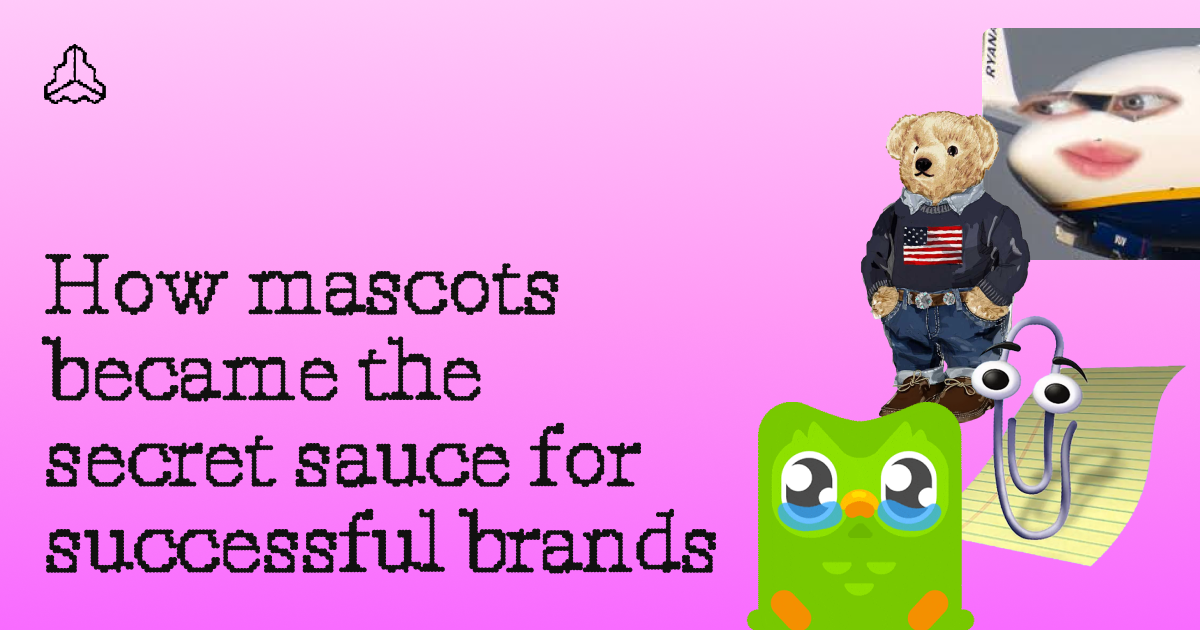
TL;DR
Tech companies are adding cute mascots to their branding, citing research that shows a 37% higher chance of market‑share growth and pointing to Duolingo’s owl, Duo, which has attracted over 20 million followers on TikTok and Instagram.
Context
Apple’s Little Finder Guy debuted in March 2024 in social videos promoting a new laptop; the blue‑white figure with an oversized head quickly earned the nickname Little Finder Guy and received positive early coverage. Microsoft introduced Mico, a smiling blob, as an optional visual identity for its Copilot AI assistant; the company describes Mico as expressive, customizable and warm, and says users who prefer not to engage with the character can turn it off. These moves reflect a wider push by big tech to appear more approachable; Google lets users dress its Android robot in selfies, Reddit refreshed its alien Snoo to be more emotive, and Mozilla turned its Firefox logo into a mascot named Kit to differentiate from rivals’ stark logos. The tactic is not new; sports teams have used mascots since the 19th century, and brands embraced them widely from the 1960s onward. After a period of saturation that led to boredom, companies are reviving the approach with fresh designs and digital integration.
Key Facts
A 2019 study found that firms using mascots in their marketing are 37% more likely to grow their market share compared with those that do not. Anthony Patterson, professor of marketing at Lancaster University Management School, notes that mascots give a company a voice, personality and face, making it feel less cold and impersonal to many people. Duolingo’s green owl, Duo, has been credited with helping the app attract more than 20 million followers on TikTok and Instagram combined.
What It Means
Supporters argue that cute characters breed familiarity and can generate warm, lasting feelings toward a brand, especially when encountered by younger audiences. Critics, including psychologist Nathalie Nahai, caution that linking mascots with AI could enable one‑to‑one persuasion that feels intrusive, warning of a creepy factor as characters start talking directly to users. Early data from Microsoft indicates encouraging feedback on Mico, while Duolingo reports higher engagement rates on posts featuring Duo. These signals suggest that mascots can lift interaction rates, though long‑term loyalty effects remain to be measured. Industry observers suggest the next phase will test how well companies balance the engagement boost from mascots with transparency about data use and user choice, particularly as avatars become more conversational.
Watch for regulatory feedback and consumer sentiment as AI‑powered mascots become more personalized and pervasive.
Continue reading
More in this thread
Conversation
Reader notes
Loading comments...