TD Cowen Cuts CLARITY Act Approval Odds to 33% Citing CFTC Staffing, Iran Crypto Use
TD Cowen slashes CLARITY Act approval odds to 33%, citing CFTC staffing, prediction market politics, and Iran's alleged crypto payments as key obstacles to U.S. crypto regulation.
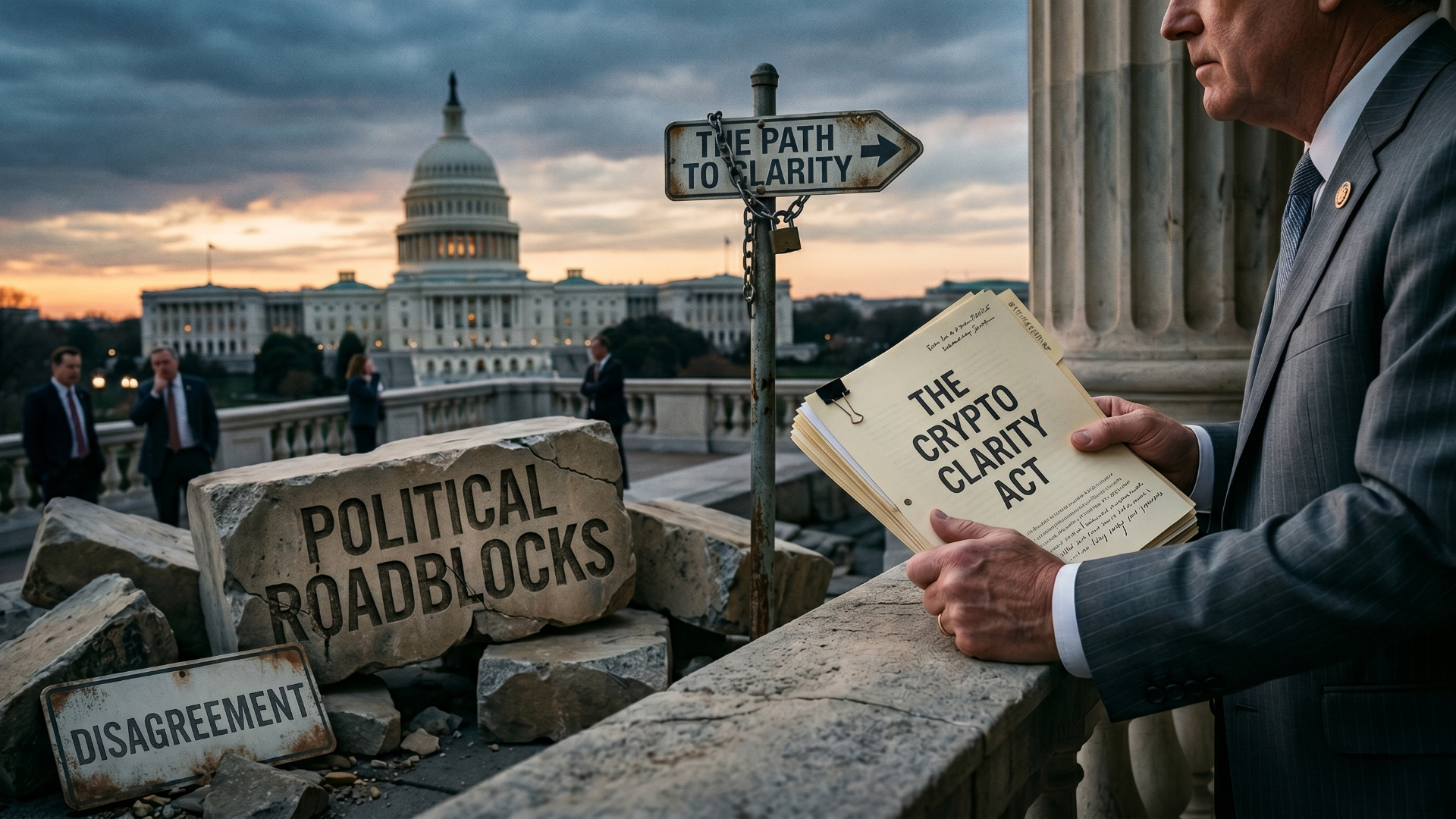
TD Cowen now estimates a 33% chance of the CLARITY Act's approval this year. This reduced outlook stems from critical staffing shortages at the Commodity Futures Trading Commission, political disagreements over prediction markets, and concerns regarding Iran's alleged use of cryptocurrencies for payments.
The prospect of comprehensive cryptocurrency regulation in the United States has diminished significantly. Investment bank TD Cowen now projects just a one-in-three probability that the CLARITY Act will pass Congress this year. This sharply downgraded outlook contrasts with earlier industry expectations for quicker legislative action.
The CLARITY Act aims to establish a clear regulatory framework for digital assets, an area currently marked by fragmented oversight. This lower probability reflects significant obstacles delaying the bill’s progress. Lawmakers face pressure to provide clarity, yet progress remains slow.
A primary barrier involves the Commodity Futures Trading Commission (CFTC), the agency tasked with overseeing certain digital asset markets. The CFTC lacks sufficient staff to effectively prepare for and enforce expanded crypto regulations. This operational gap hinders the agency's ability to implement new rules, creating hesitation among lawmakers about passing legislation it cannot fully support.
Political divisions concerning prediction markets further complicate the legislative landscape. Policymakers hold differing views on how to regulate these platforms, which allow users to bet on future events using cryptocurrencies. These disagreements contribute to a lack of consensus, slowing down the bipartisan support required for the bill to advance.
Geopolitical factors also present a hurdle, specifically the alleged use of cryptocurrencies by Iran for international payments. This issue introduces national security and financial integrity complexities into the broader regulatory discussion. Addressing such international concerns adds another layer of challenge for lawmakers working to define crypto's role in the global financial system.
This deepening uncertainty could temper investor sentiment across digital asset markets. Institutions seeking clear guidelines before increasing their exposure to cryptocurrencies may maintain a cautious stance. This hesitation potentially impacts broader market adoption and capital inflows. All eyes will now be on legislative bodies to determine if these significant structural, political, and international hurdles can be overcome in the coming months.
Continue reading
More in this thread
Conversation
Reader notes
Loading comments...