Taylor doubles down on 'bad countries' rhetoric, labels welcome to country ceremonies overused
Opposition Leader Angus Taylor reiterates "higher risk" from "bad countries" and labels welcome to country ceremonies "overused," fueling national debates on immigration and cultural practices.
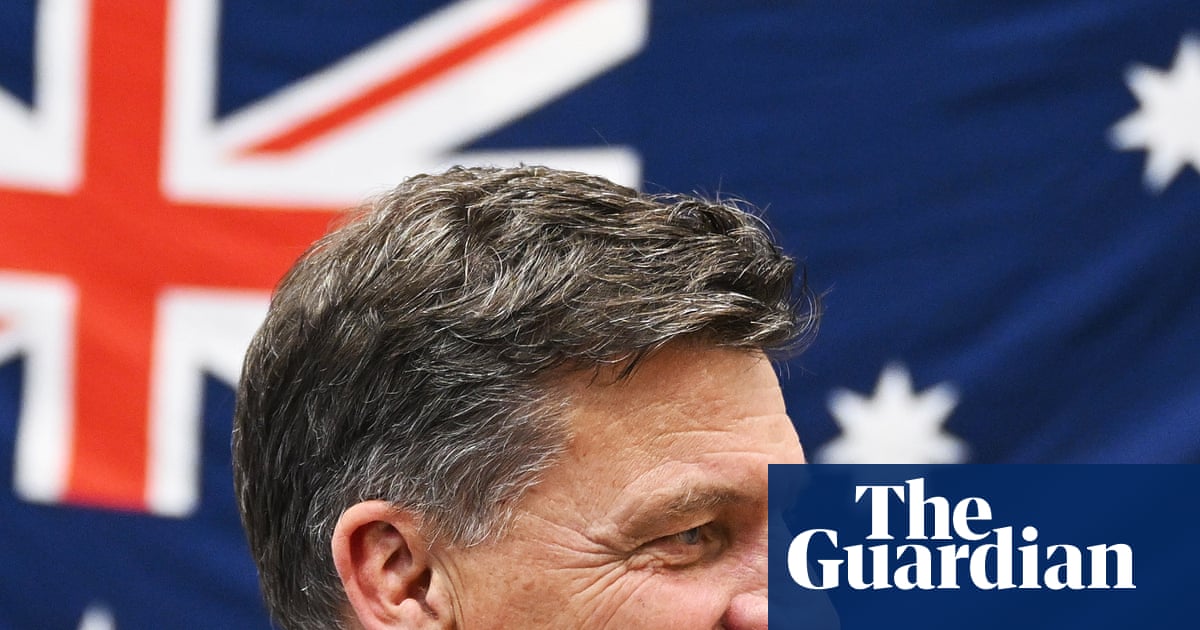
TL;DR: Opposition Leader Angus Taylor reiterated controversial remarks on immigration, asserting a "higher risk" from "bad countries," and labeled Indigenous welcome to country ceremonies as "overused." These statements intensify ongoing national debates on migration policy and cultural recognition in Australia.
Context: Opposition Leader Angus Taylor recently reaffirmed his positions on both immigration policy and Indigenous cultural practices. His remarks follow earlier statements where he singled out migrants from nations "ruled by fundamentalists, extremists and dictators" as less likely to align with liberal democratic values. Taylor's recent comments further elaborate on his party's approach to national identity and border control discussions, occurring amid broader political tension surrounding immigration figures and cultural representation.
Key Facts: Taylor stated, "there is a higher risk that some bad people come from countries deemed 'bad'." He specifically identified Iran as an example, referencing its current political situation. This perspective aligns with recent government actions impacting visitors from that region. The Labor government last month barred nearly 7,000 Iranian visitors with visas from entering Australia for six months under new legislation, citing concerns that these individuals might not be able to return to Iran. This legislative move underscores existing governmental concerns linked to specific countries, even under a non-discriminatory migration system.
Key Facts (continued): Shifting to cultural acknowledgments, Taylor also addressed Indigenous welcome to country ceremonies. He stated, "I feel that at times, often actually, I think it is overused and as a result they are devalued." This assertion followed reports of booing incidents targeting Indigenous acknowledgments at several Anzac Day dawn services across Sydney, Melbourne, and Perth. While Taylor condemned the booing as "absolutely inappropriate and un-Australian," he maintained his view on the ceremonies' frequency and impact. A welcome to country ceremony is distinct from an acknowledgment of country, with the former performed by an Elder or Traditional Owner and the latter by any speaker.
What It Means: Taylor's statements inject further contention into Australia's national discourse surrounding immigration criteria and cultural acknowledgments. The Opposition's stance clearly emphasizes perceived risks tied to a migrant's country of origin, influencing policy discussions on who enters the country. Simultaneously, the critique of welcome to country ceremonies prompts broader questions about their role, frequency, and public reception in contemporary Australian society. These remarks reflect a wider political debate regarding national identity, security, and the integration of diverse cultural practices. Watch for continued legislative and political maneuvering concerning both migration pathways and Indigenous cultural protocols.
Continue reading
More in this thread
Plateau State Affirms Sanctuary Role Amid Peace Efforts, Aid for Widows
Nadia Okafor
NJBIA Officials Commend Gov. Sherrill’s Fiscal Discipline, Criticize Climate Superfund as Unsustainable ‘Free Money’
Nadia Okafor
Military Court Dress Order Conflicts with Nigerian Lawyers’ Professional Conduct Rules
Nadia Okafor
Conversation
Reader notes
Loading comments...