Tattoo Artists Say AI Can Assist but Not Replace Human Design
Tattoo artists explain how AI can help with references but stress that final designs must be hand‑drawn to preserve personal meaning, citing a 2023 Pew finding that 32% of Americans are tattooed.
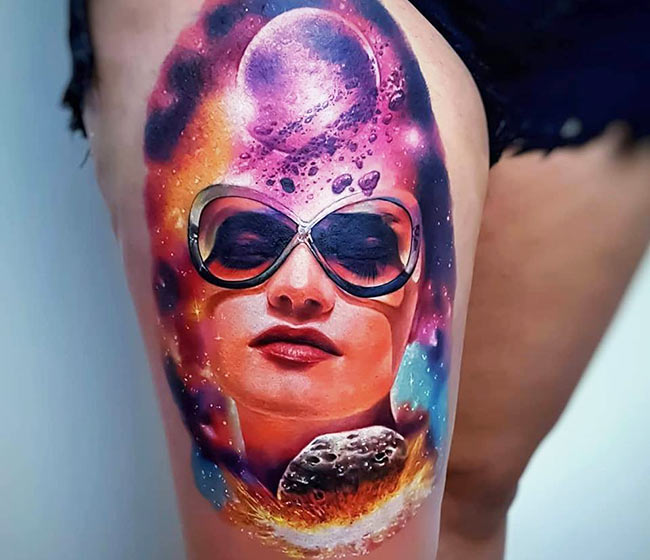
World Tattoo Gallery | Tattoo website with Best Tattoos
TL;DR
Tattoo artists say AI can assist design but should not replace the human touch that gives tattoos personal meaning. A 2023 survey shows 32 percent of U.S. adults have at least one tattoo.
Context
Tattooing has existed for over 5,000 years and grew into a major U.S. industry as more people get inked. The arrival of digital tools already changed how artists sketch, and now artificial intelligence (AI) image generators are entering studios.
Some artists welcome AI as a reference aid, while others worry it erodes the collaborative process that makes each piece unique. The debate centers on whether a machine‑made design can carry the same personal significance as a hand‑drawn one.
Key Facts
Betsy Butler of Nidum Studios says AI can help tattoo artists but should not replace their creative work. She described using AI to generate a better reference photo for a client’s van tattoo, then drawing the final design herself.
Dr. Ryan Milner, a communications professor and tattoo enthusiast, said he would cover up any tattoo discovered to be AI‑generated because it would cheapen the meaning of tattoos. He views each piece as a milestone tied to personal relationships and memories.
The Pew Research Center found that 32 percent of Americans have at least one tattoo, underscoring how widespread the practice has become and why any shift in design methods affects a sizable population.
What It Means
Artists argue that the value of a tattoo lies in the consultation, trust, and shared vision between client and maker, something an algorithm cannot replicate. They fear that relying on AI‑generated images could lead to homogenized designs and weaken the mentorship tradition.
Shops report clients increasingly arrive with AI‑made pictures, hoping to speed up the process, but artists insist on re‑drawing the concept in their own style to maintain authenticity. This extra step adds time but protects the craft’s integrity.
Looking ahead, the industry may develop guidelines for AI use, balancing efficiency with the human element that defines tattooing. What to watch next: whether professional associations adopt official stances on AI‑assisted designs and how clients respond when artists refuse to copy machine‑made images.
Continue reading
More in this thread
Vanguard Names Dantata and Ojo Joint Personality of the Year 2025
Jordan Blake
Vanguard Recognizes Dantata and Ojo for Impact on Energy and Public Services
Jordan Blake
Zack Kaplan and John Pearson’s AI‑Driven Crime Comic ‘The Smart Division’ Sets August 2026 Launch
Jordan Blake
Conversation
Reader notes
Loading comments...