Taiwo Oyedele Assumes Office as Nigeria’s Finance Minister, Pledges Fiscal Discipline and Measurable Reform Outcomes
Taiwo Oyedele is now Nigeria's Finance Minister, succeeding Wale Edun. He pledges fiscal discipline, continued reforms, and measurable outcomes for economic stability.
TL;DR
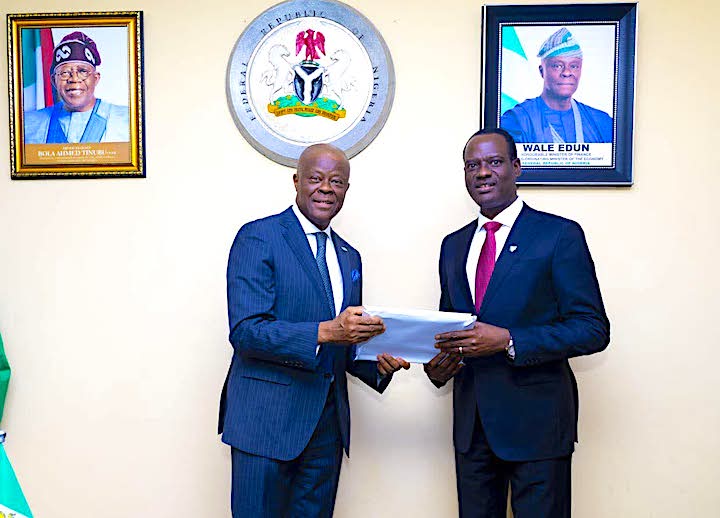
Taiwo Oyedele has officially assumed the role of Nigeria's Minister of Finance and Coordinating Minister of the Economy, pledging to continue existing reforms with a focus on delivering measurable results. He takes over from Wale Edun, inheriting a mandate for fiscal discipline and economic restructuring.
Context
Nigeria's economy requires consistent attention to its fiscal health and growth trajectory. The Minister of Finance and Coordinating Minister of the Economy holds a pivotal position, overseeing national financial policy, revenue generation, and public expenditure. This role is central to managing the nation's financial resources and driving economic stability. The current administration has prioritized economic reforms, aiming to enhance the country's financial landscape.
Key Facts
Taiwo Oyedele formally commenced his duties as the Minister of Finance and Coordinating Minister of the Economy. This followed a structured handover from his predecessor, Wale Edun. The transition signifies a continuation of economic policy objectives. In his inaugural remarks, Oyedele stated his intention to build upon ongoing economic reforms. He particularly highlighted a focus on achieving measurable outcomes across various key sectors. This commitment underscores an approach centered on tangible progress. Under Wale Edun’s leadership, the ministry initiated and implemented several fiscal reforms. These reforms were designed to boost government revenue, improve coordination among economic agencies, and support broader national economic restructuring efforts. The handover completes a mandated transition within the government's economic team.
What It Means
Oyedele's emphasis on "measurable results" indicates a shift towards concrete, data-driven progress within Nigeria’s financial governance. His commitment to "fiscal discipline" refers to government practices designed to manage public finances responsibly, balancing revenue collection with expenditure to ensure economic stability and avoid excessive debt. By pledging to continue existing reforms, Oyedele signals a consistent policy direction rather than a radical departure. The focus now turns to the specific strategies and initiatives his leadership will introduce or reinforce. Observers will monitor how these pledges translate into actionable policies. Key areas to watch include efforts in revenue diversification, spending efficiency, and overall economic resilience. This transition sets the stage for the next phase of Nigeria's economic reform agenda.
Continue reading
More in this thread
US Treasury Freezes $344 Million in Iran-Linked Crypto, Sanctions Chinese Refinery
Nadia Okafor
Appeals Court Blocks Trump Asylum Ban, Says Congress Didn't Grant Such Power
Nadia Okafor
DOJ Drops Probe into Fed Chair Powell, Clearing Path for Warsh Confirmation
Nadia Okafor
Conversation
Reader notes
Loading comments...