Sysco’s $29.1 B Jetro Acquisition Tests Antitrust Framework
Sysco's $29.1 billion bid for Jetro Holdings raises horizontal, vertical and conglomerate antitrust concerns, reviving a decade‑old regulatory clash.
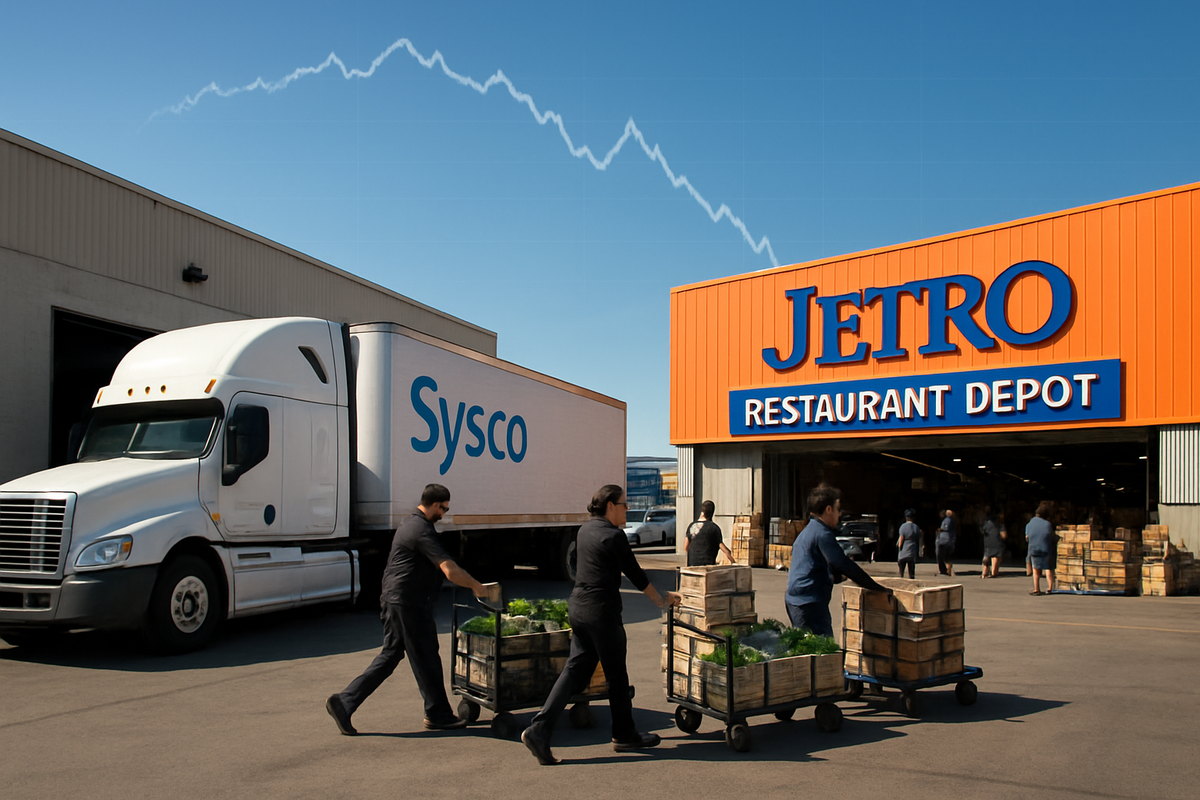
Sysco’s $29.1 B Jetro Acquisition Tests Antitrust Framework
*TL;DR: Sysco’s $29.1 billion offer for Jetro Holdings forces regulators to evaluate a merger that simultaneously triggers horizontal, vertical and conglomerate antitrust theories.
Context Sysco Corp., the world’s largest foodservice distributor, announced a plan to buy Jetro Holdings, the parent of discount wholesaler Restaurant Depot, for $29.1 billion. The deal would combine two major players that serve overlapping restaurant customers while also linking a broad distribution network with a wholesale cash‑and‑carry chain. U.S. antitrust authorities have previously blocked Sysco’s attempts to expand through acquisition, most notably the 2015 FTC (Federal Trade Commission) action that stopped a purchase of US Foods on pure horizontal grounds—meaning the two firms competed directly in the same market.
Key Facts - The transaction value of $29.1 billion makes it the largest proposed consolidation in the foodservice distribution sector to date. - In 2015, the FTC halted Sysco’s bid for US Foods, citing concerns that the combined entity would reduce competition among distributors. - The current Jetro deal raises antitrust flags across three analytical lenses: * Horizontal – both Sysco and Jetro supply similar products to restaurants, potentially limiting choices and raising prices. * Vertical – Sysco’s distribution network could be used to favor its own cash‑and‑carry outlets over independent competitors, affecting the flow of goods. * Conglomerate – the merger could create efficiencies that are difficult to separate, but also risk coordinated behavior that harms market contestability.
What It Means Regulators must now assess a more complex competitive landscape than in the 2015 case. The horizontal overlap suggests a straightforward reduction in the number of distributors, while the vertical link between a national distributor and a wholesale chain introduces the possibility of preferential treatment or foreclosure of rivals. Conglomerate concerns add a layer of uncertainty, as the combined firm could leverage data and buying power in ways that are hard to quantify.
If the FTC determines that the merger would substantially lessen competition, it could seek to block the deal or require divestitures of key assets. Conversely, Sysco may argue that the acquisition yields cost savings and broader product access for small restaurants, a claim that would need to be weighed against potential market power gains.
Looking ahead, watch for the FTC’s formal complaint filing deadline and any pre‑merger notifications that could trigger a second request for information, which would signal a deeper investigative phase.
Continue reading
More in this thread
Conversation
Reader notes
Loading comments...