Surgeons Warn AI‑Generated ‘Perfect Face’ Images Fuel Unrealistic Cosmetic Surgery Demand
Plastic surgeons report rising patient requests for AI‑ideal faces, noting bone limits, high costs, and the need for realistic expectations.
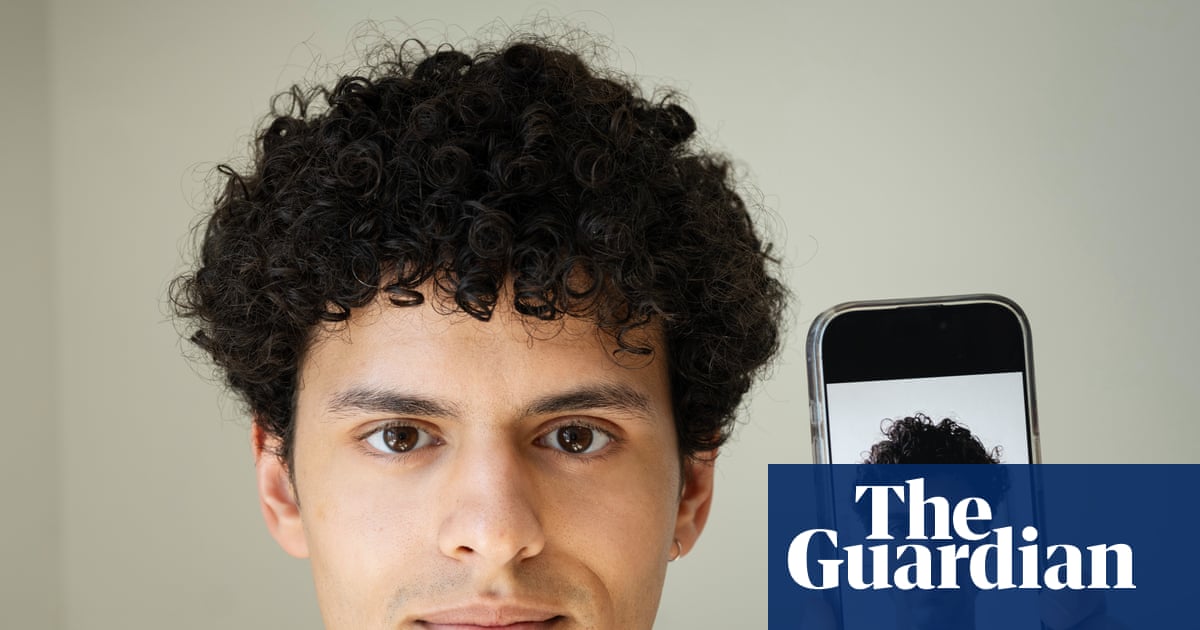
TL;DR: Surgeons see more patients bringing AI‑edited photos that demand flawless symmetry and features that bone structure cannot change. They warn that expectations are often unrealistic, costly, and may lead to unnecessary procedures.
Context AI tools now generate hyper‑symmetrical, pixel‑perfect faces in seconds. Clinics in the UK and US report patients arriving with these images, expecting surgery to replicate the digital look. Surgeons say the images become mentally “seared” into patients’ minds, shaping expectations before any consultation.
Key Facts Dr Nora Nugent, president of the British Association of Aesthetic Plastic Surgeons, predicts an increase in patients seeking surgery as AI becomes more pervasive in daily life. She notes that many colleagues already see clients with AI‑generated briefs demanding flawless skin, sculpted cheekbones, refined noses, and near‑perfect symmetry. Dr Julian de Silva explains that altering eye level is impossible because the orbit’s position is fixed by bone; moving it would risk brain safety and cannot be done surgically. He adds that AI often defaults to beauty ideals such as a V‑shaped jawline for women and broader jawlines for men, which may not match a patient’s anatomy. Dr Alex Karidis estimates that a modest rhinoplasty combined with blepharoplasty would cost approximately £25,000. He describes the procedures as relatively subtle but still expensive, warning that patients may overlook recovery variability and long‑term outcomes when fixated on AI images.
What It Means The surge in AI‑driven ideals highlights a gap between digital possibility and surgical reality. Patients should understand that bone structure limits certain changes, healing varies, and costs can be substantial even for minor adjustments. Surgeons recommend discussing realistic goals, reviewing potential risks, and considering whether the desired outcome aligns with anatomical feasibility.
Watch for upcoming guidance from professional societies on how to counsel patients presenting AI‑generated images, and for any formal studies measuring the psychological impact of these digital ideals on surgical decision‑making.
Continue reading
More in this thread
Nurses Warn of Rising Child Mental Health ER Visits and Tripled Wait Times
Dr. Priya Sharma
Trump Administration Pauses Refugee Returns Amid DRC Ebola Outbreak, Leaving Detained Woman in Limbo
Dr. Priya Sharma
State Budget Cuts Threaten San Diego’s Mobile Crisis Response Teams After 32,000 Calls Since 2021
Dr. Priya Sharma
Conversation
Reader notes
Loading comments...