Supreme Court Weighs Ending TPS for Haitians and Syrians, Threatening 1.3 Million Protections
The high court may strip Temporary Protected Status from Haitians and Syrians, risking protection for 1.3 million immigrants and signaling a broader TPS overhaul.
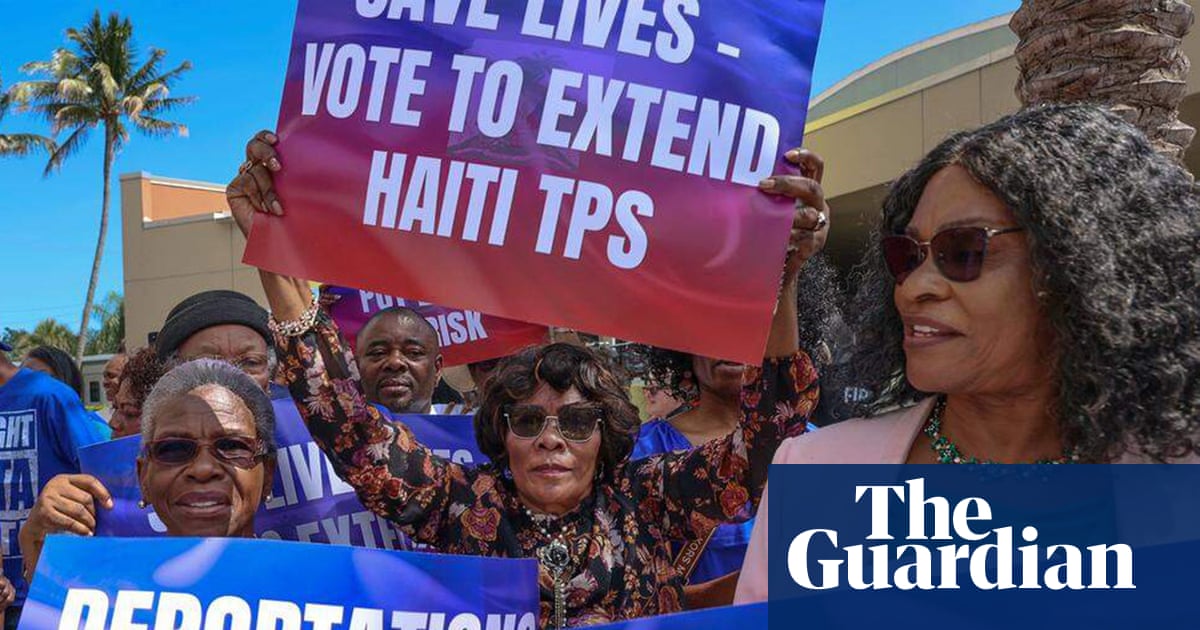
TL;DR
The Supreme Court’s decision on whether to end Temporary Protected Status for Haitians and Syrians could remove legal protection for up to 1.3 million people.
Context The Court heard oral arguments on Wednesday about the Trump administration’s request to terminate TPS for two groups. TPS, created in 1990, lets nationals of designated countries live and work in the United States when returning home is unsafe due to war, disaster, or political turmoil. The program does not lead to citizenship but provides a legal foothold.
Key Facts - At the start of the second Trump term, roughly 1.3 million individuals held TPS across the United States. - Last year, the Court used its emergency docket to allow the administration to end TPS for more than 300,000 Venezuelans, setting a precedent for rapid policy changes. - Haitians have been covered by TPS since 2010 and Syrians since 2012; both groups filed separate lawsuits that the Supreme Court has now combined. - Former DHS secretary Kristi Noem argued that Haiti lacks “extraordinary and temporary conditions” that would keep its citizens from returning safely, despite ongoing gang violence. - The House recently passed a three‑year extension for Haitian TPS, but the judicial challenge could override that legislative action.
What It Means If the justices side with the administration, the immediate effect would be the loss of work authorization and protection from deportation for hundreds of thousands of Haitians and Syrians. Legal experts warn the decision could signal a broader push to dismantle TPS for all remaining countries, potentially exposing nearly 1.3 million residents to removal proceedings. The administration has already terminated TPS for Afghanistan, Honduras, Venezuela and Yemen, and is fighting similar challenges for Myanmar, Ethiopia and South Sudan.
The stakes extend beyond the individuals directly affected; employers, schools and local economies that rely on TPS workers could face sudden labor shortages. Advocacy groups are preparing to file emergency appeals should the Court rule against the plaintiffs.
What to Watch Next The Court’s ruling, expected later this month, will determine whether the TPS program survives its most extensive legal assault and will shape immigration policy for years to come.
Continue reading
More in this thread
Tuareg Rebels Claim Mali Junta Will Fall After Deadly Saturday Offensive
Nadia Okafor
China‑Israel Trade Surges Amid Spy Satellite Denial and Missile Fuel Worries
Nadia Okafor
DHS Shutdown Sets Record as Funding Fight Rages Over ICE and a $400 Million Ballroom
Nadia Okafor
Conversation
Reader notes
Loading comments...