Supreme Court Weighs Constitutionality of Geofence Warrants
The Court will decide if police can sweep location data from all phones near a crime scene, a tool used in high‑profile investigations.
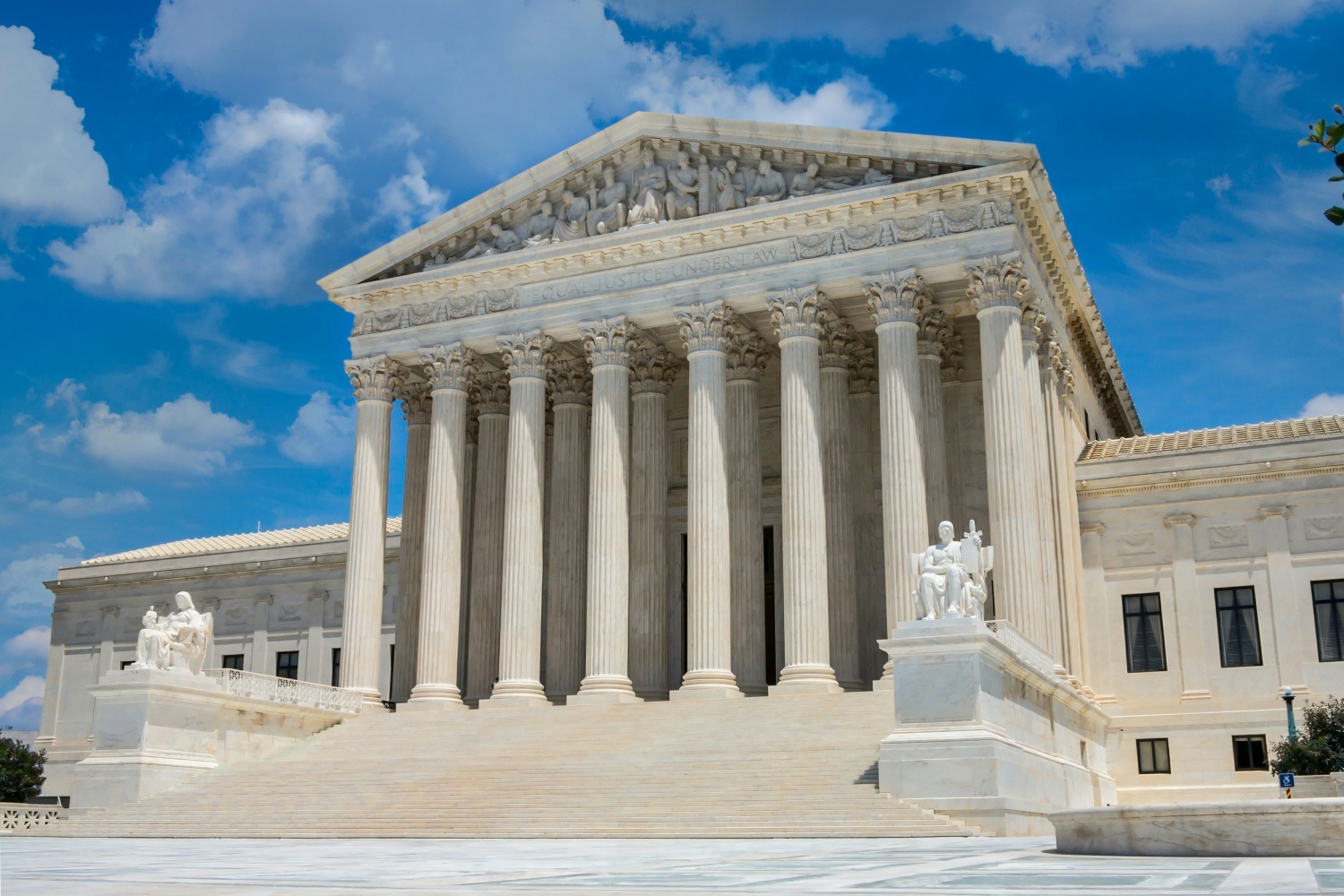
*TL;DR The Supreme Court will rule on whether police may obtain Google location data from every device within a crime‑scene radius, a method that has helped solve cases from the Capitol riot to cold‑case murders.*
Context In May 2019 a robbery at Call Federal Credit Union in Virginia led investigators to request from Google the location history of every device within roughly 150 meters of the bank during the heist. The data pinpointed Okello Chatrie, whose phone placed him at the scene, resulting in his arrest. This “geofence warrant” does not target a suspect first; it casts a digital net over an area and pulls data from any device that happened to be nearby.
Key Facts - Police used the warrant to collect Google Location History, a service many enable for better map directions, from all phones near the credit union. - The Fifth Circuit Court of Appeals declared such warrants a violation of the Fourth Amendment, calling them unconstitutional overreach. - The Fourth Circuit reached the opposite conclusion, saying the warrants do not constitute a Fourth Amendment search and allowing Chatrie’s conviction to stand. - Law enforcement has employed geofence warrants to identify participants in the Jan. 6 Capitol attack, solve cold cases lacking video evidence, and locate pipe‑bomb suspects. - Critics argue the practice amounts to a “general warrant,” a broad fishing expedition the Constitution was designed to prevent. - Proponents claim that once a user shares location data with Google, the expectation of privacy diminishes, making the data fair game for investigations.
What It Means A Supreme Court decision will set a nationwide standard. Upholding the warrants could legitimize routine location sweeps for crimes ranging from robberies to terrorism, potentially expanding police access to the digital footprints of innocent bystanders. Striking them down would force agencies to rely on more targeted investigative tools and could push tech firms to tighten default privacy settings for location services. The ruling will also test the reach of the 2018 Carpenter decision, which required warrants for long‑term cell‑tower tracking. Watch for the Court’s opinion later this year, which will shape the balance between law‑enforcement efficiency and everyday digital privacy.
Continue reading
More in this thread
Conversation
Reader notes
Loading comments...