Sudan’s Wheat Harvest Crushed 58% as War Ravages Gezira
Satellite data shows Sudan's Gezira wheat harvest dropped 58% as conflict spikes fertilizer costs and damages factories, threatening food security.
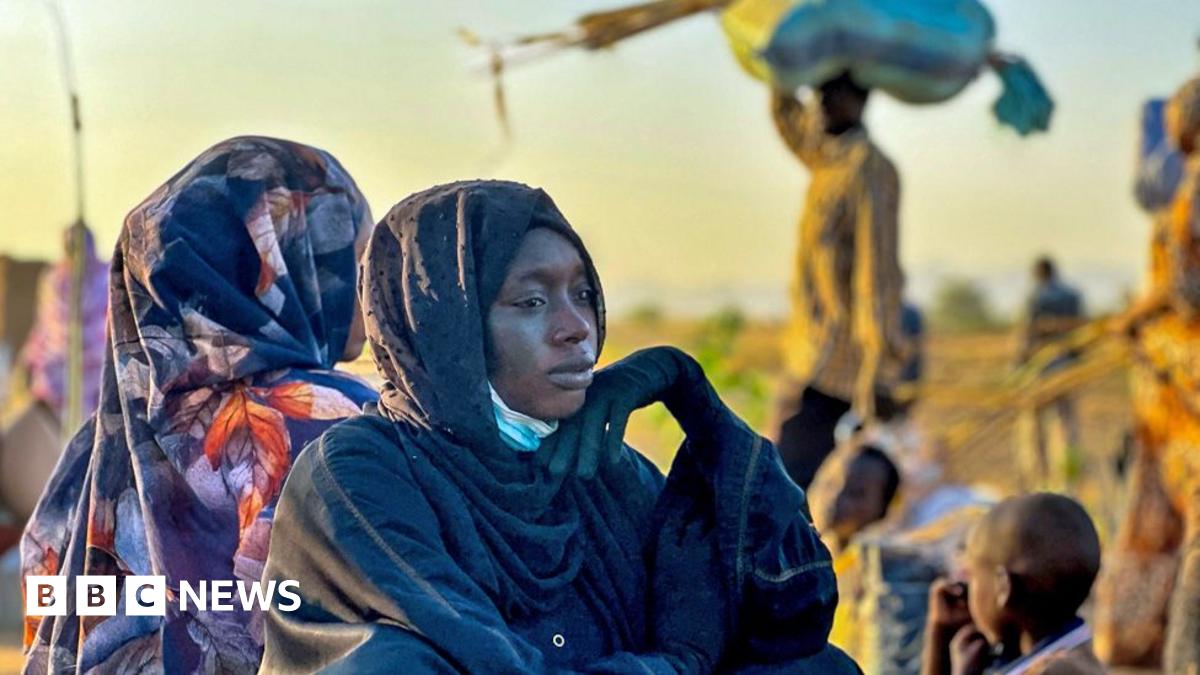
Displaced women rest, one seen with her head resting on her hand, in the town of Tawila after fleeing el-Fasher following the city's fall to the Rapid Support Forces (RSF) - October 2025.
TL;DR: Satellite imagery confirms wheat production in Gezira dropped 58% in 2023‑24; fertilizer prices jumped to $200 per bag and factories were heavily damaged.
Context Sudan’s central Gezira plain, long called the nation’s breadbasket, has been a battlefield since the RSF‑SAF clash erupted in April 2023. Satellite photos from the Sentinel‑2 system reveal once‑green irrigation grids now scarred brown, indicating a collapse of cultivated land during RSF control and only a tentative rebound after SAF advances.
Key Facts The UN Food and Agriculture Organization (FAO) measured a 58% plunge in wheat output for the 2023‑24 season across Gezira, a region that historically supplied half of Sudan’s wheat. Farmers report that a 50 kg bag of fertilizer rose from $33 to $200, while tractor rentals tripled, squeezing already strained producers. Sudan’s industry minister disclosed that 126 large factories and 3,131 small factories in Gezira sustained severe damage, further eroding the economic base.
Satellite‑derived Normalised Difference Vegetation Index (NDVI) data shows the al‑Haiwawa canal—vital for 2,360 farmers—was among the most disrupted, with RSF fighters diverting water and using harvested bags as makeshift bridges. Looting extended to the national seed bank and World Food Programme warehouses, depleting reserves that could have fed 1.5 million people for a month.
What It Means The sharp drop in wheat harvest threatens Sudan’s food security, pushing the country closer to famine thresholds. Sky‑high fertilizer costs and lost tractor access will likely keep yields low even after hostilities ease. Damage to thousands of factories curtails industrial output, limiting employment and revenue needed for reconstruction.
International aid will need to address both immediate food gaps and the longer‑term revival of irrigation infrastructure. Monitoring satellite data will be crucial to gauge any genuine recovery as the SAF regains control of the region.
What to watch next: Satellite updates on crop health in the upcoming 2025 planting season and any announcements of reconstruction funding for Gezira’s irrigation and industrial facilities.
Continue reading
More in this thread
Conversation
Reader notes
Loading comments...