Sudan’s War Could Erase $34.5 Billion of Future GDP and Push 34 Million Into Extreme Poverty
UNDP warns that a protracted Sudan conflict could cut future GDP by $34.5 billion and push 34 million more people into extreme poverty.
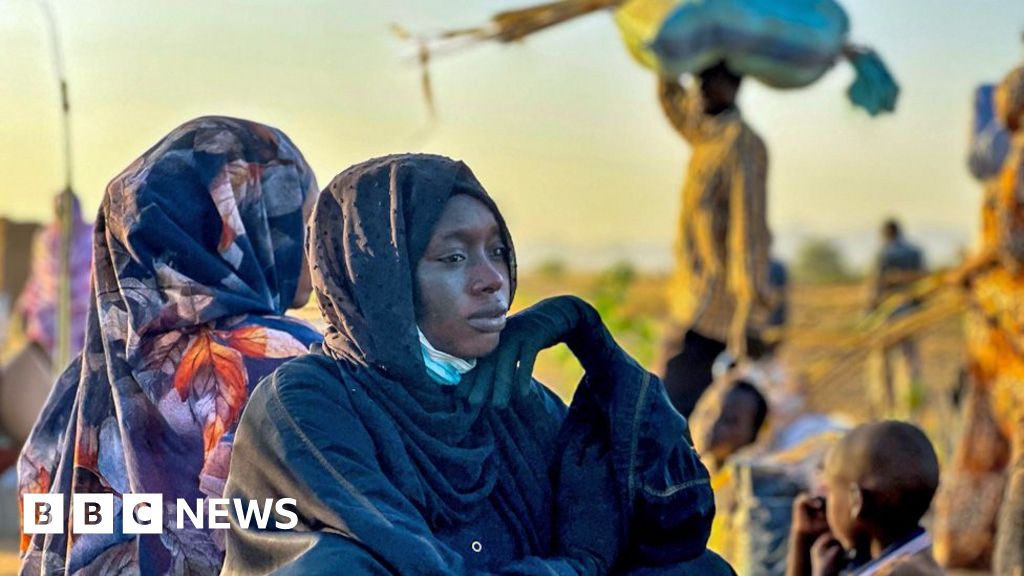
Displaced women rest, one seen with her head resting on her hand, in the town of Tawila after fleeing el-Fasher following the city's fall to the Rapid Support Forces (RSF) - October 2025.
*TL;DR: A UNDP report projects that if Sudan’s war lasts until 2030, the country will lose $34.5 billion in future GDP and see 34 million more people fall into extreme poverty.
Context The conflict that erupted in 2023 has already killed more than 150,000 people and displaced nearly 15 million. Rival commanders—Rapid Support Forces leader Mohamed Hamdan Dagalo, known as “Hemedti,” and army chief Abdel Fattah al‑Burhan—have both pledged to fight for years, with Dagalo saying his forces could continue until 2040.
Key Facts - Death toll exceeds 150,000; 61,000 conflict‑related deaths recorded between April 2023 and June 2024. - Around 70‑80 % of health facilities in combat zones are non‑functional; only one in four Khartoum hospitals remains open. - Education is crippled: 19 million school‑age children have disrupted schooling and only 20 % of schools operate. - The UNDP‑Institute for Security Studies report models a “Protracted Conflict” scenario: by 2043 Sudan’s GDP would be $34.5 billion lower than a no‑war baseline, per‑capita income would fall by roughly $1,700, and over 60 % of the population would live in extreme poverty. - That poverty surge translates to an additional 34 million people—equivalent to Ghana’s entire population—being pushed into the poorest category.
What It Means The economic shock stems from destroyed infrastructure, halted oil and gold production, and a shattered agricultural sector. A $1,700 drop in per‑capita income separates families that can afford food and school fees from those that cannot. Health collapse will likely raise infant mortality and spark preventable disease outbreaks, while the loss of education creates a “lost generation” with long‑term productivity deficits.
State institutions are on the brink of collapse; governance, healthcare, and education systems are paralysed, and markets are fragmented. Continued fighting pushes natural resources further out of reach, undermining any chance of self‑sufficiency.
A contrasting “Sudan Rising” scenario shows that peace and reforms could lift GDP to $58.2 billion by 2043 and remove 17.3 million people from extreme poverty. The stark divergence underscores how the war’s duration will dictate Sudan’s economic destiny.
What to watch next Monitor diplomatic moves for a ceasefire and any international investment pledges, as these will shape whether Sudan can pivot from a $34.5 billion loss to a potential $20 billion gain by 2043.
Continue reading
More in this thread
Conversation
Reader notes
Loading comments...